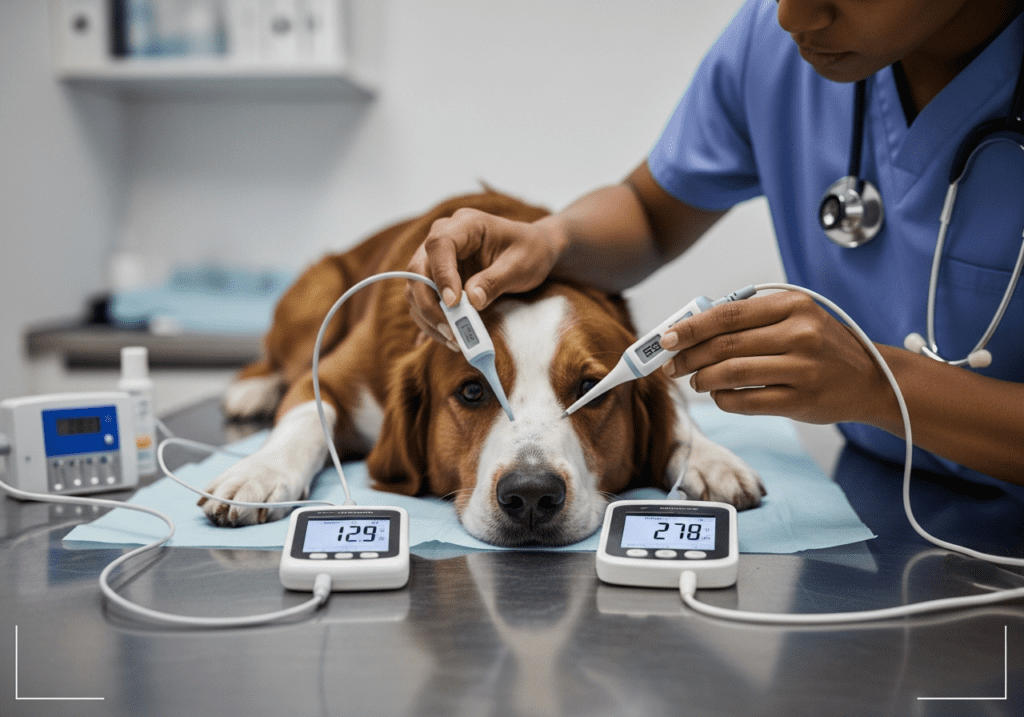
In the fast-paced world of veterinary medicine, accurate temperature measurement is vital, particularly during anesthesia. Recent research highlights the importance of core body temperature measurement methods in anesthetized dogs. This discussion centers on comparing two techniques: the intranasal thermometer and the esophageal thermometer. Understanding the nuances between these approaches is crucial for veterinarians, clinic staff, and practice owners who prioritize patient care and operational efficiency.
Understanding Temperature Measurement Techniques
Both intranasal thermometers and esophageal thermometers serve the purpose of gauging core body temperature during different clinical situations. Accurate monitoring is indispensable, especially in anesthetized animals. Fluctuations in core temperature can lead to serious complications, including cardiac dysfunction, delayed recovery, and increased mortality. Therefore, mastering temperature measurement techniques is essential for all veterinary professionals, notably General Practice Veterinarians and Emergency Veterinarians.
Benefits of Intranasal and Esophageal Thermometers
Intranasal thermometers offer a non-invasive alternative. In addition to being easy to use, they can provide quick results with minimal distress to the animal. On the other hand, esophageal thermometers are considered the gold standard for core body temperature measurement. They offer a more stable reading during long procedures, making them especially useful for Critical Care Veterinarians managing anesthetic complications.
- Intranasal Thermometers: Quick readings, non-invasive.
- Esophageal Thermometers: Stable readings, preferred for critical care.
Clinical Implications of Temperature Measurement
The choice between using an intranasal thermometer or an esophageal thermometer can impact surgical outcomes. For example, an urgent care veterinarian may lean towards intranasal options for rapid assessments in emergency situations. In contrast, a Mixed Animal Veterinarian may choose esophageal thermometers for more complex cases involving surgical procedures, where prolonged accuracy is paramount.
Clinicians must also consider how differences in techniques can affect overall patient management. Understanding the limitations and advantages of each method allows for informed decision-making. This knowledge is particularly beneficial for shelters and community medicine veterinarians who often manage high volumes of cases with varied underlying health statuses.
Challenges in Veterinary Anesthesia
Temperature measurement in anesthetized dogs faces various challenges. One major concern includes the accuracy of readings influenced by external factors, such as ambient temperature and the patient’s physiological status. For example, food animal veterinarians often need to measure temperatures under different environmental conditions. Hence, they require reliable devices that remain effective in diverse settings.
Furthermore, these challenges extend to workforce realities within veterinary clinics. Limited access to skilled clinicians, especially Board-Certified Veterinary Internal Medicine Specialists (DACVIM), can strain veterinary practices focused on critical anesthesia cases. Implementing effective training programs can enhance staff competencies in utilizing these measurement techniques.
Conclusion
In summary, choosing the right method for core body temperature measurement in anesthetized dogs is critical for ensuring optimal patient outcomes in veterinary clinics. Both intranasal and esophageal thermometers have their merits and applications within clinical settings. As veterinary professionals continually strive for excellence in patient care, they must remain informed about advancements and techniques in veterinary anesthesia and monitoring.
At Pulivarthi Group, we understand the complexities involved in veterinary staffing and the importance of having the right talent on board. Whether you need an Associate Veterinarian, Emergency Veterinarian, or a Veterinary Internal Medicine Specialist, we provide access to skilled professionals who can enhance your practice. Partner with us to navigate the challenges of staffing while focusing on delivering exceptional care to your patients.