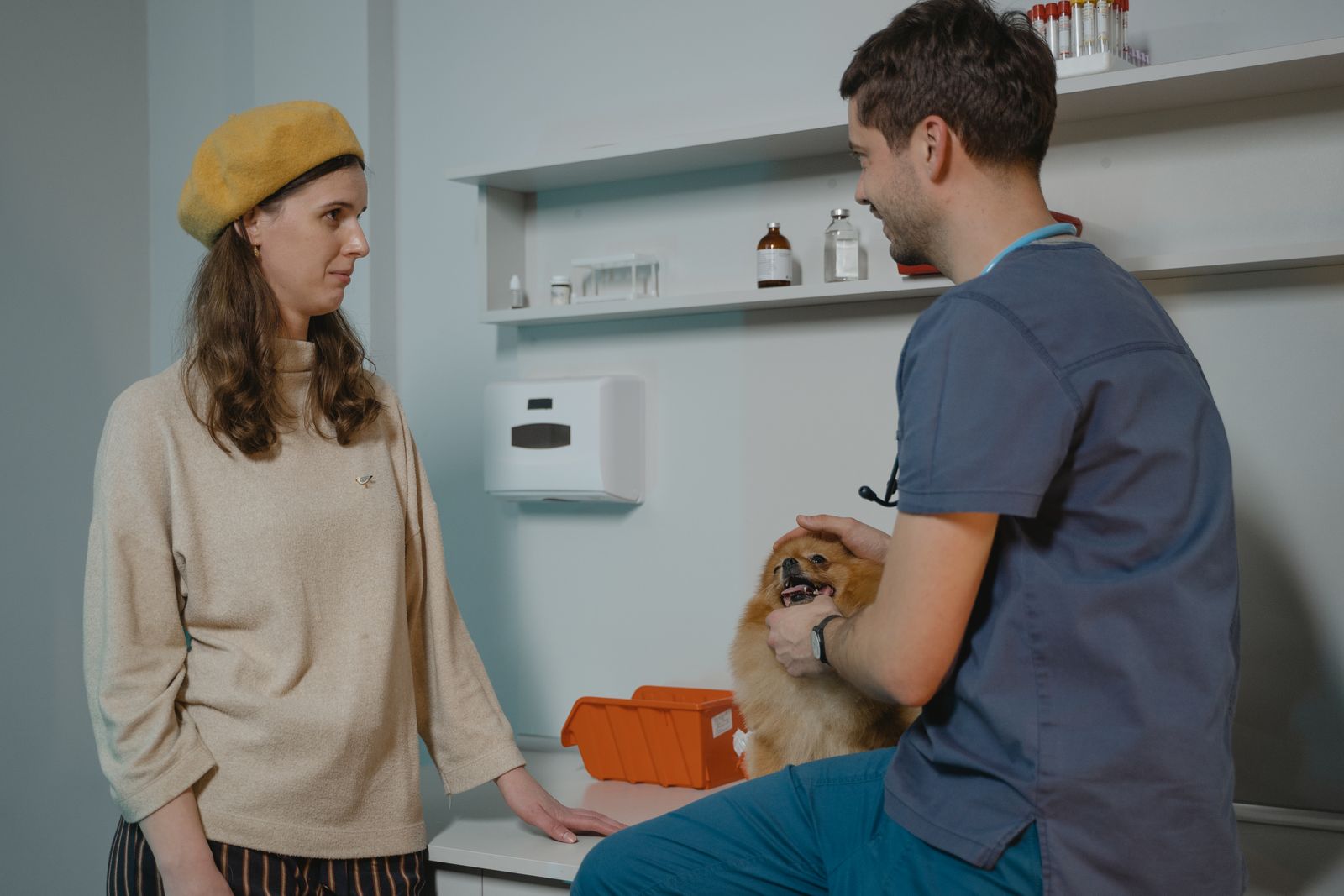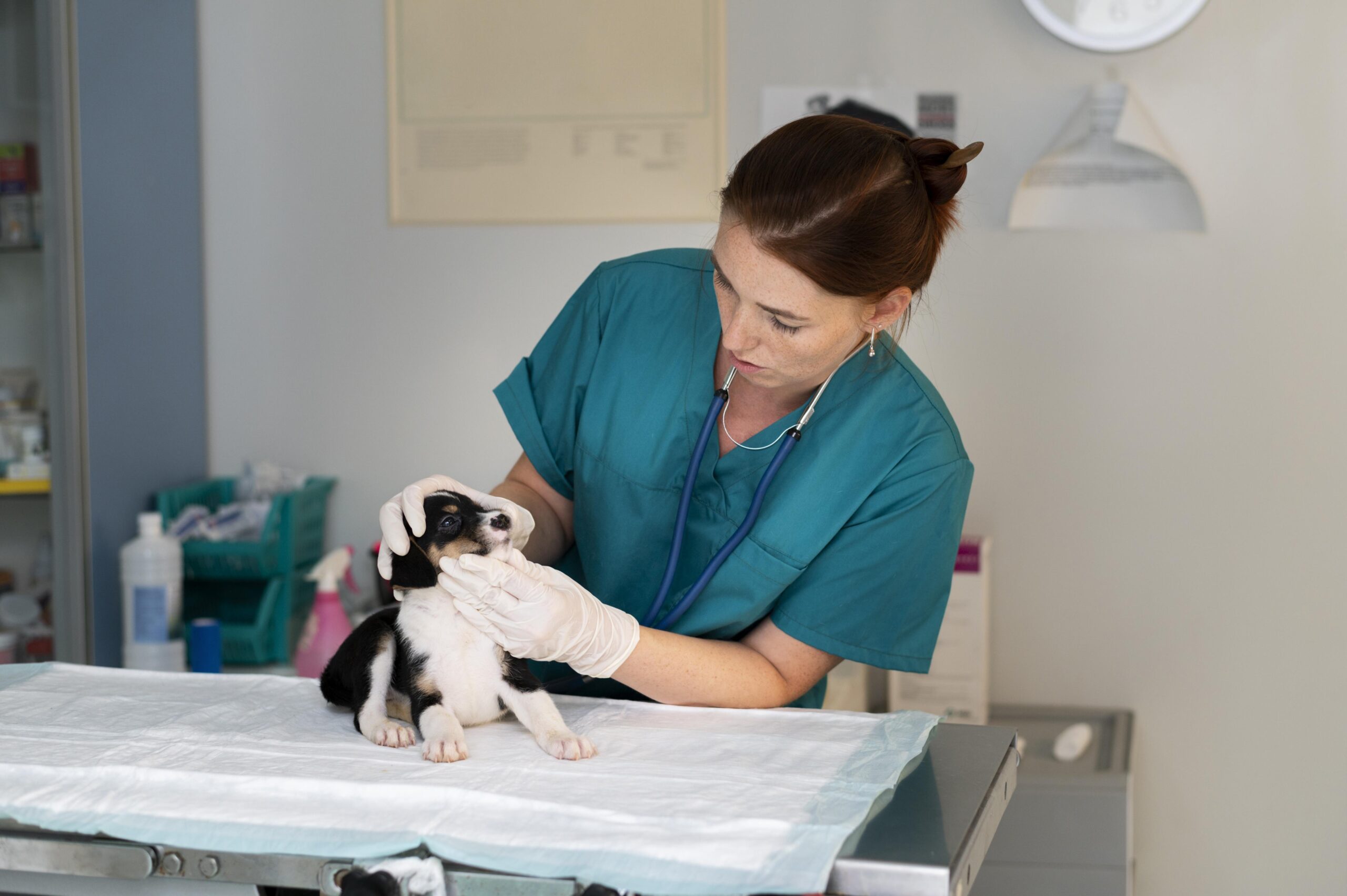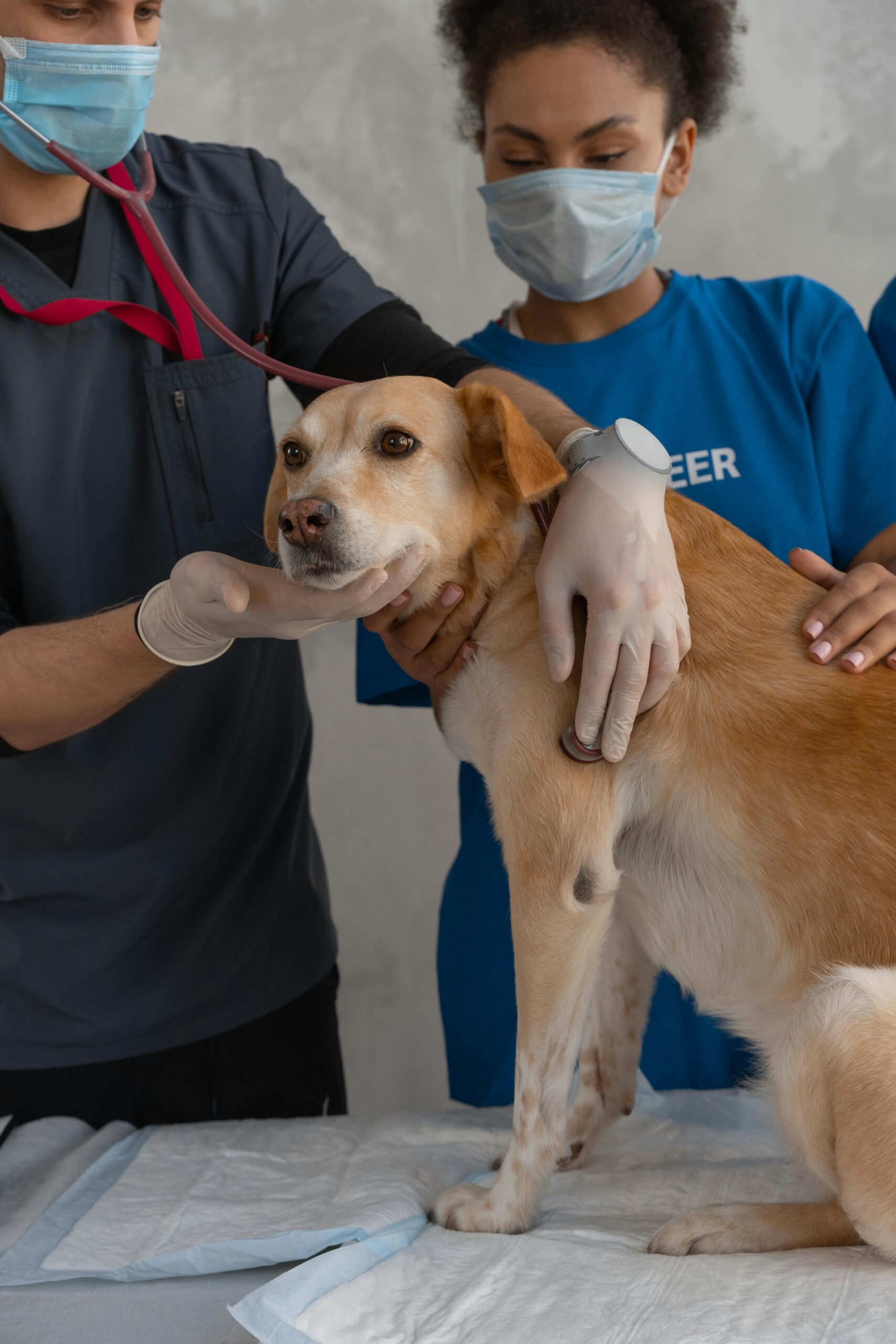
The state of Indiana is experiencing a significant veterinarian shortage in its rural areas. This issue affects not just pet owners but also agricultural producers and overall public health. The upcoming legislation aims to address this urgent situation, emphasizing the need for more veterinary professionals in underserved communities.
Understanding the Impact of the Veterinarian Shortage
Rural Indiana faces unique challenges when it comes to animal care. The shortage of veterinarians contributes to delayed medical attention for pets and livestock, resulting in worsening health outcomes. Moreover, veterinary clinics struggle to operate efficiently without adequate staffing. For example, practices may notice an increase in wait times for appointments. This is concerning for both general practice veterinarians and urgent care veterinarians who face a higher demand for emergency overflows.
The labor market for veterinarians is tightening, particularly in rural regions. As a result, many facilities have begun to utilize veterinary technician roles more strategically. Technicians can help relieve some duty burdens, allowing veterinarians to focus on critical care cases. This approach emphasizes teamwork and operational efficiency but cannot replace the need for more veterinarians.
Legislative Solutions in Motion
Legislation pending in Indiana offers hope. It aims to attract and retain veterinary professionals in rural settings. Key provisions may include student loan forgiveness for graduates who commit to practicing in these underserved areas. Additionally, grants may be provided to support veterinary clinics in rural locales. Such measures seek to tackle the underlying causes of the shortage, helping to ensure more consistent care for animals.
Veterinarians, especially specialists like a board-certified veterinary internal medicine specialist (DACVIM), often seek practices in areas with diverse cases. Encouraging these professionals to consider rural locations can enhance care quality for both small and large animals. However, challenges remain. The allure of urban centers often overshadows rural opportunities, leading to an uneven distribution of talent.
Addressing Workforce Realities in Veterinary Clinics
Clinics in rural Indiana must also address workforce realities to adapt to these challenges. Even with legislative actions, the implementation will take time. Therefore, practice owners and managers need to evaluate their current staffing strategies. Fostering a supportive work environment is essential for retaining existing staff and attracting new talent, whether they are associate veterinarians or mixed animal veterinarians.
Furthermore, clinics may benefit from creating partnerships with veterinary schools. Establishing internship programs could allow students to experience rural veterinary practice first-hand. This exposure can cultivate interest in remaining in these areas post-graduation. Overall, clinics should actively engage in community outreach to improve awareness about rural veterinary careers.
Improving Clinical Practices Amid Challenges
In times of staff shortages, clinics should prioritize workflow efficiency. Streamlined processes improve patient care while allowing veterinarians to handle a higher case load. Implementing technology, such as electronic health records, can save valuable time for busy practices. This is particularly crucial for specialists, like emergency veterinarians, who often manage high-stress cases with tight deadlines.
Moreover, creating patient care protocols that involve support staff enhances clinic operations. Responsibilities can be delegated appropriately, tailoring duties to match skill sets. This strategy not only improves team morale but also elevates client satisfaction, ultimately benefiting the entire practice.
Concluding Thoughts on the Future of Rural Veterinary Care
The challenges posed by the veterinarian shortage in rural Indiana urge immediate attention. Legislative movements show promise in resolving underlying issues. However, it is essential for veterinary clinics to take proactive steps in improving practices, fostering a supportive environment, and engaging future veterinary professionals. By doing so, they can better serve their communities and contribute to a sustainable future for veterinary care in rural areas.
At Pulivarthi Group, we understand the pressing need for talent in the veterinary field. Our staffing solutions connect clinics with highly qualified veterinarians, including those specializing in general practices, urgent care, and critical care. Let us partner with you to navigate the challenges of rural veterinary care and help ensure your clinic is well-equipped to meet the needs of your community.