In the evolving landscape of veterinary medicine, veterinary innovations play a pivotal role in enhancing animal healthcare. As veterinary clinics strive to adapt to emerging diseases and improving treatment techniques, understanding these innovations is essential for veterinarians, clinical staff, and practice owners. This blog explores significant advancements that not only improve patient care but also lead to operational efficiency in veterinary practices.
Advancements in Diagnostic Technologies
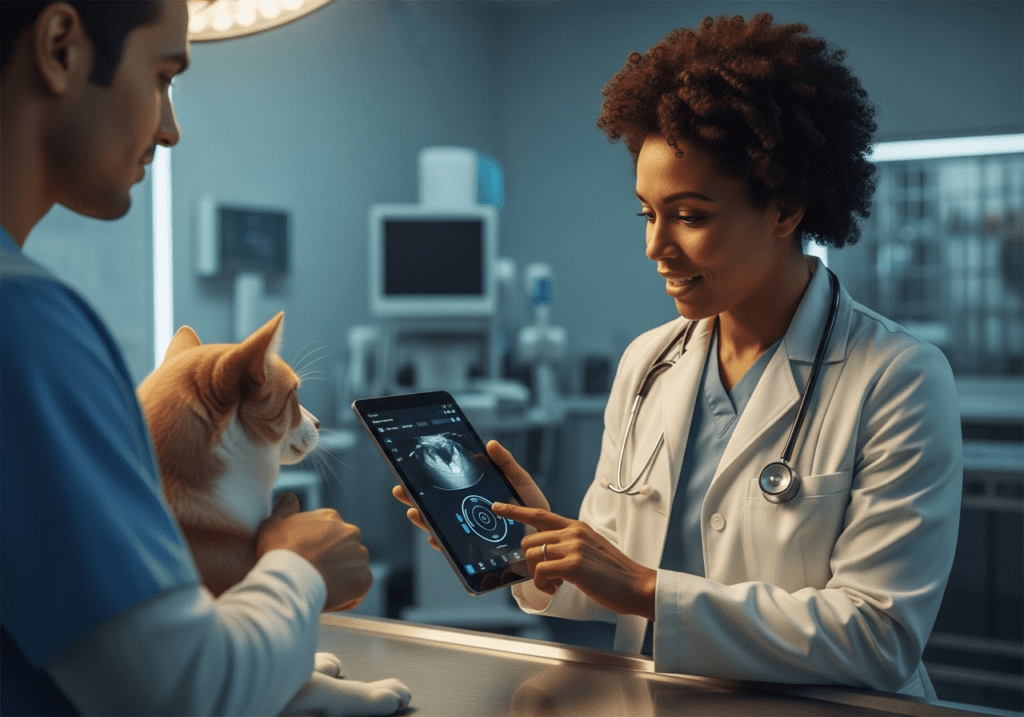
The integration of advanced diagnostic tools is transforming veterinary practice. Technologies such as digital imaging, molecular diagnostics, and telemedicine have become invaluable. For example, digital radiography allows for quicker and clearer imaging, facilitating more accurate diagnoses. Urgent care veterinarians, particularly, benefit as timely diagnosis often dictates treatment success in acute cases.
Emerging Treatment Techniques
New treatment methodologies continue to emerge, changing the landscape of how veterinarians provide care. Regenerative medicine, including stem cell therapy, offers hope for chronic conditions. These advancements address not just pets but also livestock and mixed animal practices. Consequently, veterinary internal medicine specialists are better equipped to manage complex cases with innovative therapies and comprehensive care strategies.
The Role of Preventative Medicine
Prevention is increasingly emphasized through veterinary innovations. Vaccination protocols are refined to better address emerging diseases. For instance, canine influenza and feline calicivirus vaccines have become important in preventive care strategies. Board-certified veterinary internal medicine specialists are well-positioned to advocate for owner education on the importance of vaccination, ensuring the health of populations under their care.
Operational Efficiency in Veterinary Clinics
Furthermore, operational efficiency is critical in today’s veterinary clinics. Implementing practice management software not only streamlines scheduling but enhances client communication, allowing veterinarians and clinic staff to focus more on patient care. Emergency veterinarians find that reducing administrative burdens enables them to dedicate more time to critical cases, ultimately improving outcomes for both pets and their owners.
The Future of Veterinary Workforce Dynamics
As the demand for veterinary services increases, the need for diverse workforce skills intensifies. The challenge is to recruit and retain talented veterinarians across various specializations. Mixed animal veterinarians and food animal veterinarians may find it particularly challenging to fill positions in rural areas. By adapting recruitment strategies and emphasizing the benefits of specialized training, clinics can attract highly qualified talent.
Understanding Industry Trends
Staying abreast of trends is vital. The rise of telemedicine and online consultations illustrates the changing dynamics in veterinary practice. This shift provides convenience for pet owners and expands care access, especially for community medicine veterinarians who serve in underserved areas. Moreover, embracing these changes prepares clinics for the future while enhancing client relationships.
Conclusion
In conclusion, understanding and implementing veterinary innovations is essential for enhancing animal healthcare. Emphasizing advancements in diagnostics, emerging treatment techniques, and operational efficiency can help veterinary clinics thrive amidst evolving industry challenges. At Pulivarthi Group, we recognize the importance of a skilled workforce in achieving these goals. We assist veterinary clinics in accessing hard-to-find talent across various roles, ensuring they can meet the challenges of contemporary practice with the expertise they deserve.