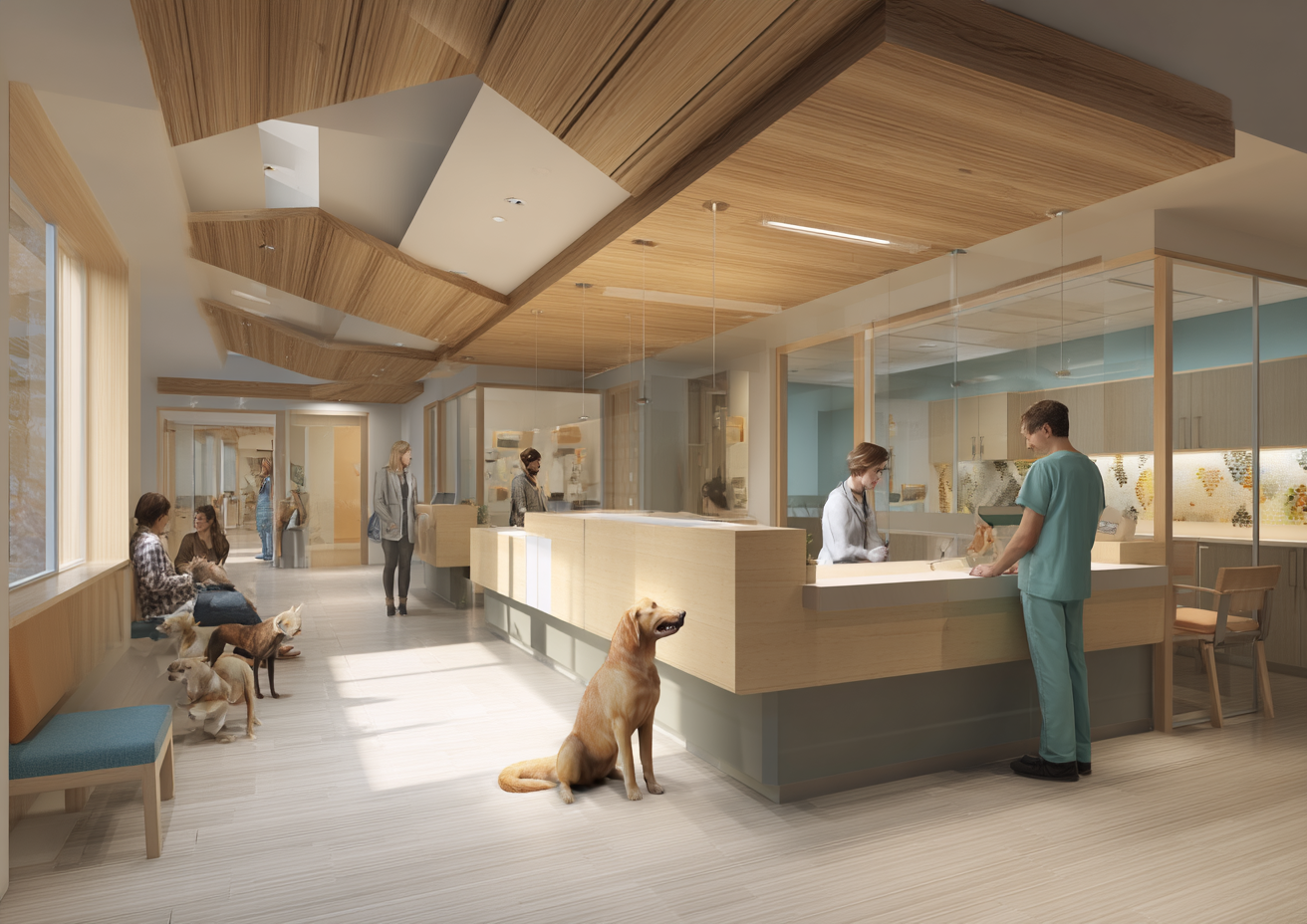
The transition of Dr. Michael Maniaci from Mayo Clinic’s exemplary hospital-at-home program to Advocate Health represents a significant step toward enhancing decentralized healthcare initiatives. With a mission to address the challenges surrounding access to healthcare, especially for rural and indigent patients in Charlotte, N.C., and nearby regions, this change is not just timely; it is essential.
Understanding the Hospital-at-Home Care Model
The hospital-at-home care model offers a decentralized approach that allows patients to receive medical care in the comfort of their homes. This innovative model eliminates the logistical and financial burdens associated with traditional hospitalization. In turn, it promotes personalized care tailored to individual patient needs. Furthermore, as healthcare needs evolve, stakeholders must adapt to new models that prioritize efficiency and accessibility.
Addressing Key Challenges in Rural Healthcare
Rural areas often struggle with limited access to essential healthcare services. According to the U.S. Department of Health and Human Services, nearly 20% of the population lives in rural communities, yet they face significant barriers to healthcare access. The hospital-at-home model provides a viable solution by bridging geographical gaps. This approach can lead to improved patient outcomes, as it enables healthcare professionals to closely monitor and manage chronic conditions without the constraints of hospital settings.
Leadership Change: Dr. Maniaci’s Contribution
Dr. Maniaci’s leadership role at Advocate Health begins on January 5. His extensive experience spearheading the hospital-at-home program at the Mayo Clinic has equipped him with the knowledge to innovate care delivery in rural settings. His goal will be to expand the implementation of decentralized healthcare models that deliver effective treatments and enhance overall patient satisfaction.
Impact on Healthcare Management and Operational Efficiency
This strategic shift signifies more than just a personnel change; it embodies a commitment to improving healthcare management and operational efficiency. By applying lessons learned from the Mayo Clinic’s program, Advocate Health can refine its processes. The focus will be on optimizing the use of technology, streamlining care delivery, and establishing robust communication channels between patients and healthcare providers.
Innovative Technologies in Hospital-at-Home Models
To further bolster these efforts, Advocate Health will likely leverage innovative technologies such as virtual healthcare and remote healthcare monitoring. These tools are pivotal in supporting effective patient management from home. For instance, IoT devices can provide real-time health data, allowing for timely interventions when necessary. Additionally, adopting telehealth services enhances patient-provider communication, ensuring that help is just a click away.
Importance of Workforce Management in Decentralized Care
Efficient staffing solutions are crucial to the success of the hospital-at-home model. The Pulivarthi Group understands the importance of aligning skilled healthcare professionals with the dynamic needs of these decentralized care models. By focusing on strategic workforce management, the Pulivarthi Group ensures that health organizations can meet evolving care demands without sacrificing quality. Effective staffing not only streamlines operations but also improves patient outcomes. Properly managed teams create a seamless experience for patients transitioning from hospital to home care.
Building a Sustainable Framework for the Future
For the hospital-at-home model to thrive, a sustainable framework is essential. This framework should consider the unique challenges faced by healthcare providers in rural areas. Strategic partnerships with local health services, community organizations, and telehealth platforms will be vital in this regard. By fostering collaborative efforts, Advocate Health can create a network that supports comprehensive patient care.
Measuring Success and Outcomes
Success in implementing a decentralized healthcare model can be quantified through various metrics, including patient satisfaction, readmission rates, and overall health outcomes. By establishing a clear set of KPIs, healthcare leaders can assess the effectiveness of their programs and make necessary adjustments. Continuous evaluation and adaptation will be critical in meeting the goals of innovative care delivery.
Future Prospects for Hospital-at-Home Models
The rise of the hospital-at-home care model represents a transformative shift in how healthcare is delivered. With leaders like Dr. Maniaci advocating for its adoption, more patients, especially those in underserved areas, will benefit from personalized care. The future of healthcare lies in decentralized solutions that prioritize accessibility, efficiency, and, above all, patient-centric practices.
Conclusion
The transition of Dr. Maniaci to Advocate Health signifies a pivotal moment in the pursuit of improved healthcare access. The integration of the hospital-at-home model exemplifies the potential for innovative, decentralized healthcare solutions that cater to the needs of rural populations. As healthcare professionals and administrators, it is essential to embrace these developments and engage with new models of care. For organizations looking to expand their understanding of hospital-at-home initiatives, we invite you to learn more about how these innovative solutions can reshape the very fabric of healthcare delivery.
Explore More About Hospital-at-Home Models
If you are a healthcare administrator or professional seeking to deepen your knowledge of hospital-at-home initiatives, consider reaching out to the Pulivarthi Group. Our team specializes in staffing solutions tailored for decentralized healthcare environments. Connect with us today to discover how we can help you navigate the evolving landscape of home health care services.