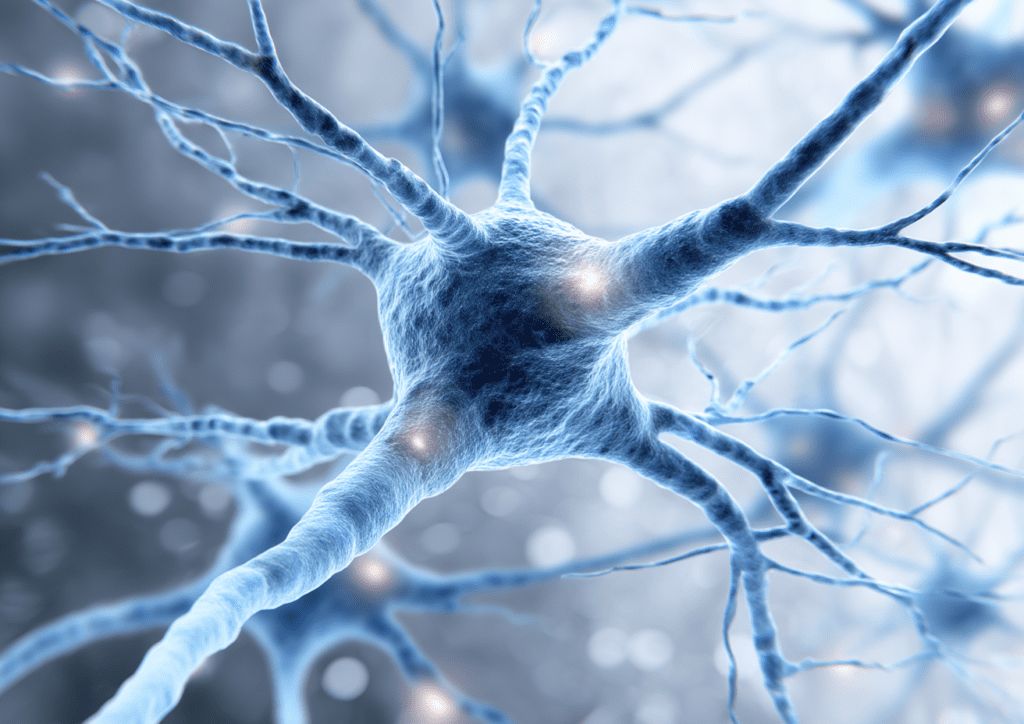
The concept of neurogenesis, the brain’s ability to generate new neurons, has recently attracted significant attention in the realm of cognitive health. This topic is particularly relevant for mental health clinics and practices, especially as it offers potential strategies for combating cognitive decline. Understanding how neurogenesis interacts with aging processes and conditions like Alzheimer’s Disease can empower mental health professionals to enhance patient outcomes and operational efficiency within their facilities.
Neurogenesis in Aging: The “Superager” Phenomenon
Recent studies conducted by the University of Illinois Chicago and Northwestern University highlight how older adults, often referred to as “superagers,” actively maintain their cognitive function through enhanced neurogenesis. These individuals exhibit remarkable memory capabilities that defy typical age-related cognitive decline. As mental health providers, recognizing these unique patterns can empower clinical approaches tailored to older adults suffering from cognitive impairments or neurodegenerative diseases.
For example, incorporating neurogenesis-promoting activities into therapeutic regimens could yield significant benefits. Facilities may consider introducing programs that emphasize physical exercise, mental stimulation, and nutritional interventions aimed at fostering neuroplasticity. Such initiatives not only support enhanced cognitive health but also align with the ongoing trends of holistic care in mental health practice.
The Role of Mental Health Providers
Licensed mental health professionals, such as Clinical Psychologists and LCSWs, play a pivotal role in assessing and navigating the challenges of cognitive health. They can utilize findings from neurogenesis research to inform treatment plans for older patients. Furthermore, Psychiatric Mental Health Nurse Practitioners (PMHNPs) and Psychiatrists are in a prime position to prescribe medications or interventions that may enhance neurogenic processes in older adults.
For instance, incorporating awareness about lifestyle changes that stimulate neurogenesis, such as aerobic exercise or cognitive training, into patient discussions can be transformative. It reinforces the idea that proactive health measures can influence cognitive aging positively.
Challenges in Clinical Care Delivery
However, the integration of neurogenesis research into clinical practice faces significant challenges. For outpatient settings, the limited time allocated for patient interactions can hinder comprehensive discussions about lifestyle changes. In contrast, inpatient rehabilitation facilities may have more extensive opportunities to implement supportive therapies due to their structured environments. Nevertheless, ensuring that clinical teams are well-versed in neuroplasticity and brain health is critical across all settings.
- How can outpatient clinics implement neurogenesis principles effectively?
- What role do rehabilitation facilities play in promoting cognitive health?
- Why is it essential for clinical teams to understand neurogenesis?
Addressing these questions must be embedded in training and operational strategies. Moreover, understanding regulatory considerations is vital as mental health providers strive to align evolving care models with best practices in patient safety and delivery.
The Future of Cognitive Health in Mental Health Settings
As mental health trends evolve, awareness surrounding cognitive function improvement will likely shape how clinicians approach treatment. This shift emphasizes the importance of collaborative care where mental health professionals work alongside health and wellness experts to foster environments conducive to neurogenesis. Patients could greatly benefit from integrated models that encourage social engagement, cognitive challenges, and structured physical activities.
In addition to improving patient outcomes, enhancing operational efficiency will remain essential. Facilities that prioritize education around neurogenesis can enhance the effectiveness of their clinical teams, providing better services while navigating staffing challenges. As demand grows, cultivating a workforce that understands these emerging concepts becomes increasingly important.
Conclusion
In conclusion, the exploration of neurogenesis and its implications for cognitive health presents a promising frontier for mental health providers. As the understanding of brain aging deepens, so too must our strategies for delivering effective care. Whether in outpatient clinics, hospitals, or rehabilitation settings, a commitment to integrating research findings into practice is vital.
The Pulivarthi Group stands ready to partner with mental health organizations, helping them access skilled professionals such as Clinical Psychologists, PMHNPs, BCBAs, and LCSWs. By providing staffing solutions that meet the needs of diverse care settings, we support teams in effectively promoting cognitive health and driving better patient outcomes.