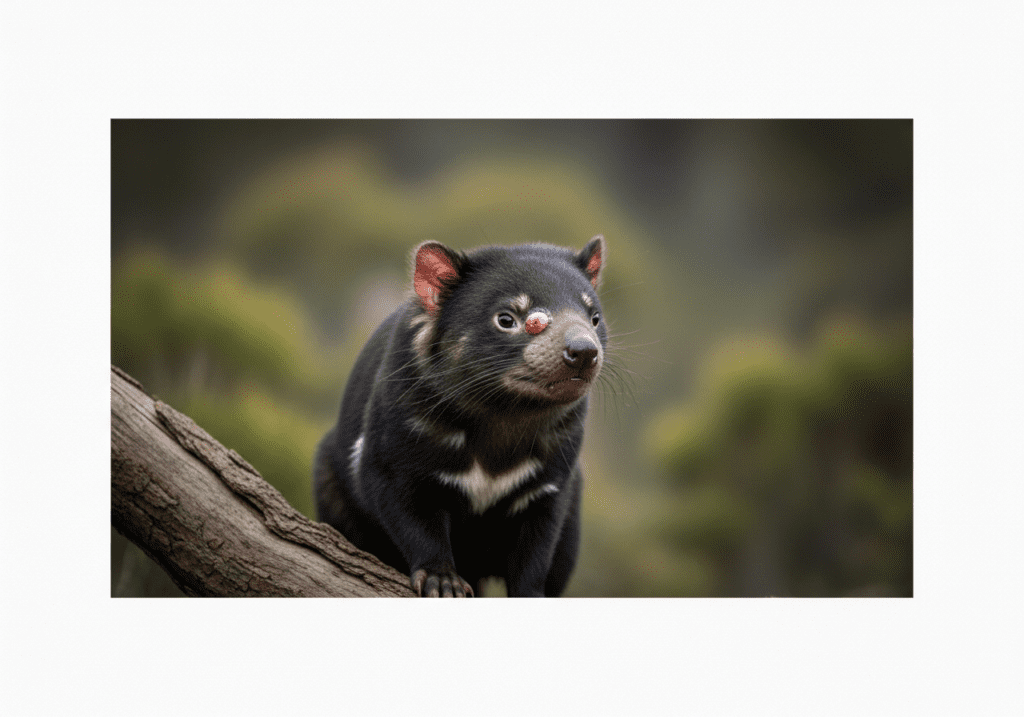
The topic of transmissible cancers in wildlife, particularly the Tasmanian devil, is gaining traction among veterinary professionals. Understanding these conditions is crucial to preserving the future of this iconic species. At the forefront are two transmissible cancers known as Devil Facial Tumours 1 and 2 (DFT1 and DFT2). The decline of the Tasmanian devil population due to these cancers presents significant challenges for veterinarians and conservationists alike, particularly in Tasmania.
What are Transmissible Cancers in Wildlife?
Transmissible cancers are a rare phenomenon in the animal kingdom, but their occurrence has profound implications for wildlife health. These cancers do not originate from the host’s own cells but are instead transmitted between individuals. For the Tasmanian devil, the development of DFT1 and DFT2 has led to alarming mortality rates. As a result, veterinarians must be informed about these conditions to contribute to research and conservation efforts.
Implications for Veterinary Practice
Veterinary clinics play a vital role in the conservation of species affected by transmissible cancers. General practice veterinarians need to understand how to recognize symptoms associated with DFT tumors. Urgent care veterinarians may encounter devils in critical condition, requiring rapid diagnosis and treatment. Emergency veterinarians should be prepared for the complexity of managing cases that present with advanced disease symptoms.
- Enhancing diagnostic capabilities through biopsy and histopathological studies.
- Implementing vaccination programs against cancer transmission.
- Promoting awareness and education among clinical staff and caretakers.
Moreover, mixed animal veterinarians and shelter veterinarians have the opportunity to expand their skill sets. This requires ongoing training and collaboration with wildlife specialists for effective management strategies.
Research Developments and Conservation Strategies
Current research continues to unveil potential resistance mechanisms within the Tasmanian devil population. Investigating genetic factors may lead to breakthroughs in understanding how some individuals are less susceptible to DFT cancers. Veterinary internal medicine specialists are poised to contribute significantly to this research through advanced diagnostics and treatment protocols.
Moreover, community medicine veterinarians who engage with local populations can help educate them about the importance of wildlife conservation. They can work collaboratively with conservationists to design effective outreach programs aimed at reducing cancer transmission.
Conclusion
Addressing the challenges posed by transmissible cancers in Tasmanian devils requires a multifaceted approach involving veterinary clinics, conservation organizations, and researchers. As these efforts continue, the role of veterinary professionals proves indispensable. At Pulivarthi Group, we specialize in connecting veterinary clinics with talented professionals across various specialties, including Associate Veterinarians, Critical Care Veterinarians, and Veterinary Internal Medicine Specialists. Together, we can help safeguard the health of wildlife, actively participating in conserving the future of species such as the Tasmanian devil.