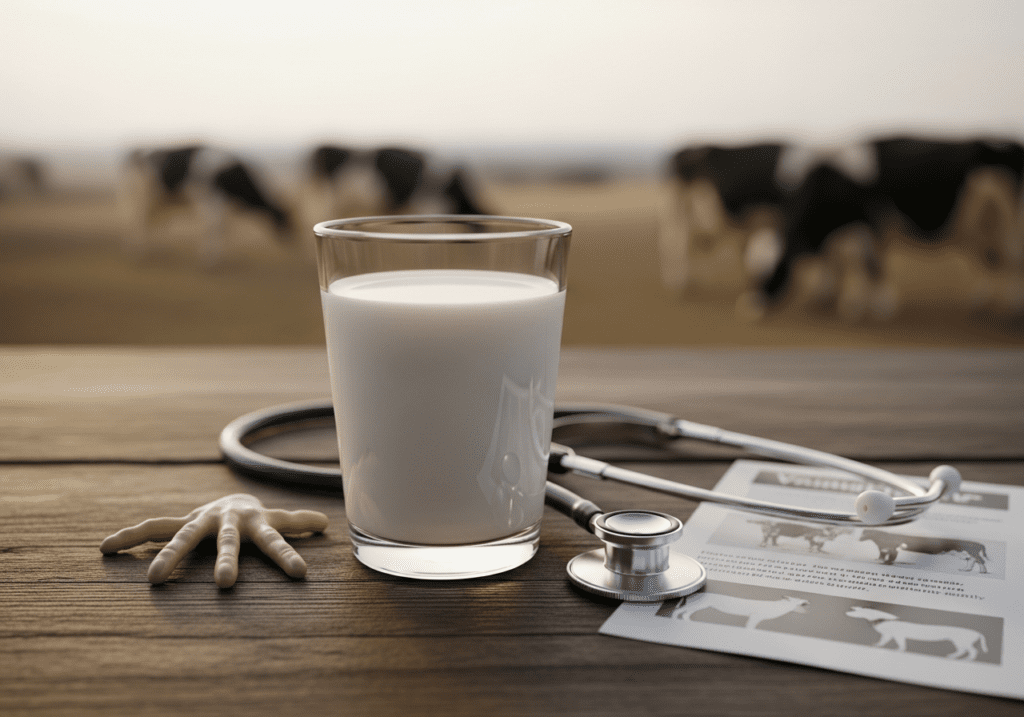
Raw milk consumption is a topic that often sparks debate in both the veterinary and public health communities. As veterinarians and clinic staff, it’s crucial to understand the inherent risks associated with raw milk. Specifically, contaminated raw milk can lead to significant foodborne illnesses. The American Veterinary Medical Association (AVMA) strongly advises against the consumption of raw milk due to these contamination risks.
Understanding Contamination Risks
The consumption of raw milk poses a serious health threat. It can harbor pathogens like Salmonella, E. coli, and Listeria. These organisms can cause severe gastrointestinal diseases in humans. The risk multiplies, especially in vulnerable populations such as young children, the elderly, and those with compromised immune systems. For veterinarians, knowing these facts is vital for patient education and community outreach.
- What are the common pathogens found in raw milk? Pathogens such as Salmonella, E. coli, and Campylobacter are prevalent.
- Who is at greatest risk from these pathogens? Young children, elderly individuals, and those with weakened immune systems face heightened risks.
- How does the contamination occur? Contamination can happen during the milking process, through improper handling, or insufficient pasteurization.
The AVMA emphasizes the importance of educating the public about these risks. For veterinarians and their teams, understanding this information is not just beneficial; it’s essential in promoting food safety. Given that many clients may be unaware of the dangers, veterinary professionals can play a significant role in disseminating this knowledge.
Operational Considerations for Veterinary Clinics
Veterinary clinics must also be keenly aware of the implications of raw milk safety on operational practices. This includes everything from proper food safety protocols in practice to the education offered to the community. Clinics should ensure that all staff members are informed about the risks associated with raw milk. Regular training and updates about food safety can be invaluable in this regard.
Furthermore, clinics can establish guidelines for discussing raw milk with pet owners. This could involve providing educational materials and resources regarding the health risks. By doing so, clinics promote not only the safety of pets but also the safety of humans in their community.
Industry Trends and Workforce Implications
The veterinary profession is witnessing increasing public interest in raw food diets, including raw milk for pets. As a result, there’s a pressing need for veterinarians to stay informed about food safety standards. This trend affects various veterinary roles, particularly in general practice and emergency care. Associates, general practice veterinarians, and urgent care veterinarians must be ready to address client inquiries about raw milk.
Moreover, as more consumers push for direct farm-to-table practices, the role of food animal veterinarians becomes increasingly significant. They must advocate for safe handling and processing practices to prevent foodborne illnesses. Consequently, veterinary clinics might consider hiring specialists in food safety and public health to enhance their team’s expertise in this area.
Conclusion
In summary, the risks of raw milk consumption extend beyond individual health; they pose significant challenges for veterinary clinics. Understanding the critical contamination risks and educating clients is paramount. As a trusted partner in veterinary staffing, Pulivarthi Group recognizes the importance of placing the right talent in your practice. From Associate Veterinarians to Board-Certified Veterinary Internal Medicine Specialists, we assist clinics in accessing skilled professionals who can effectively promote safety and health within their communities. Together, we can lead the charge in advocating for responsible practices and improved public health.