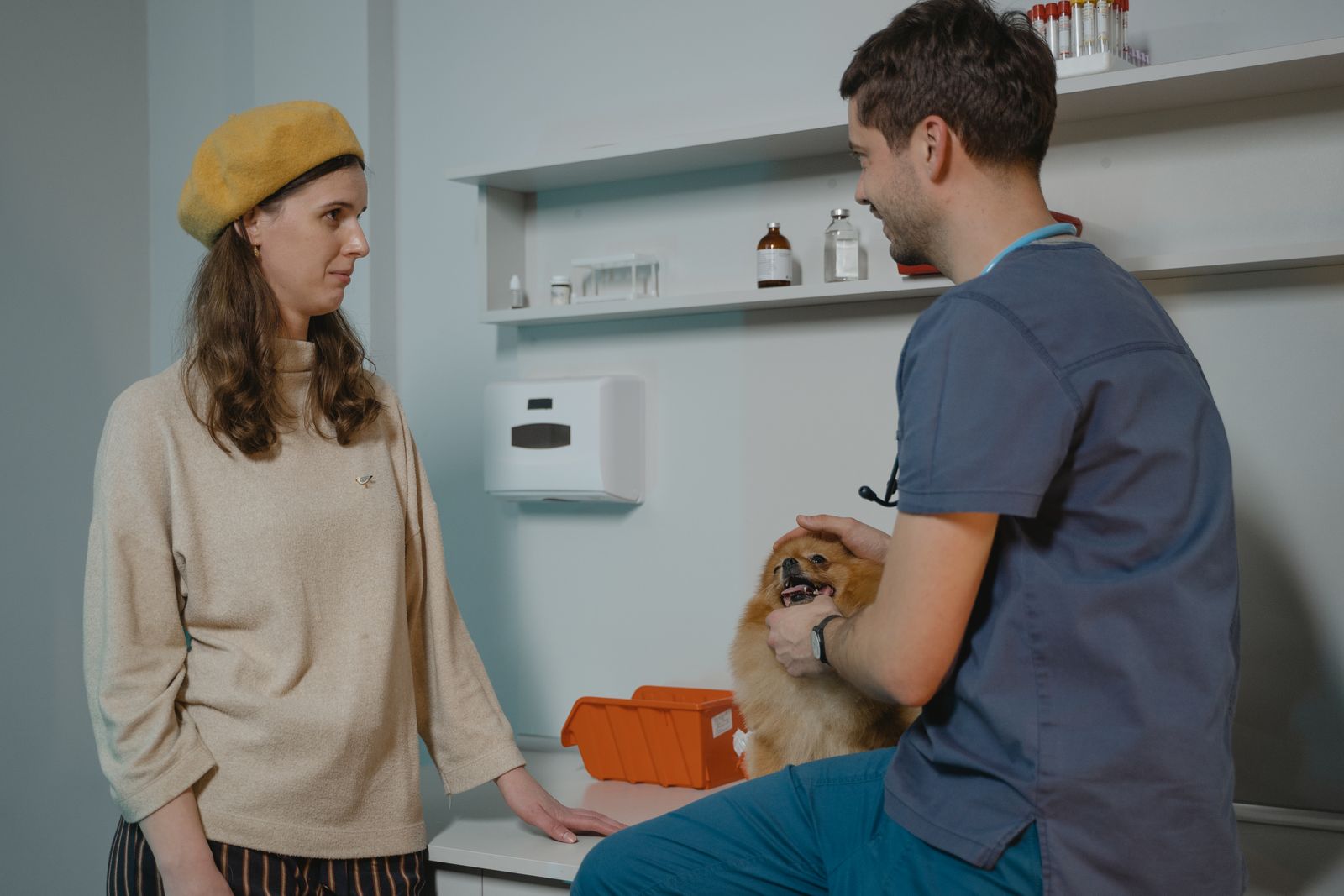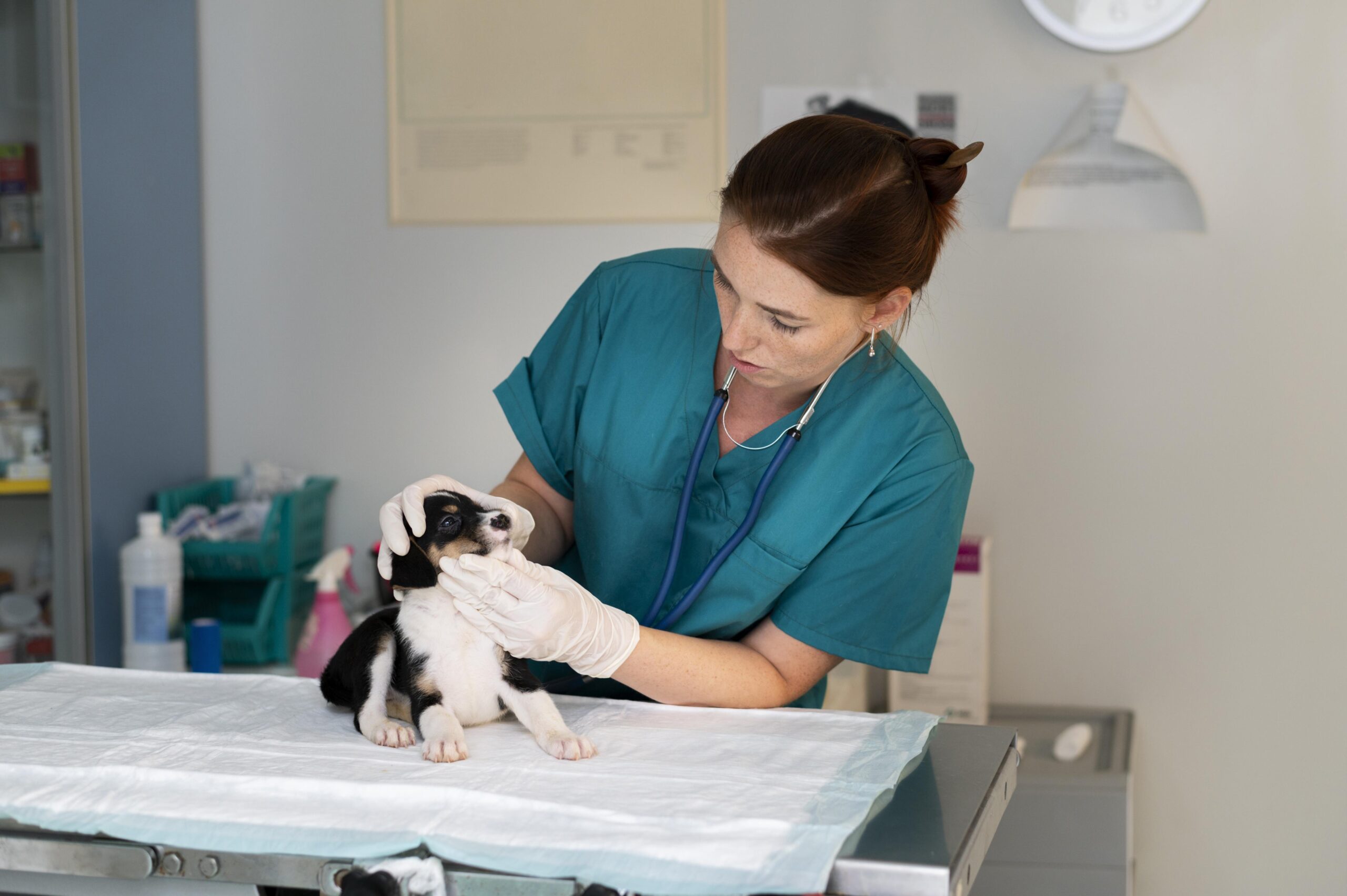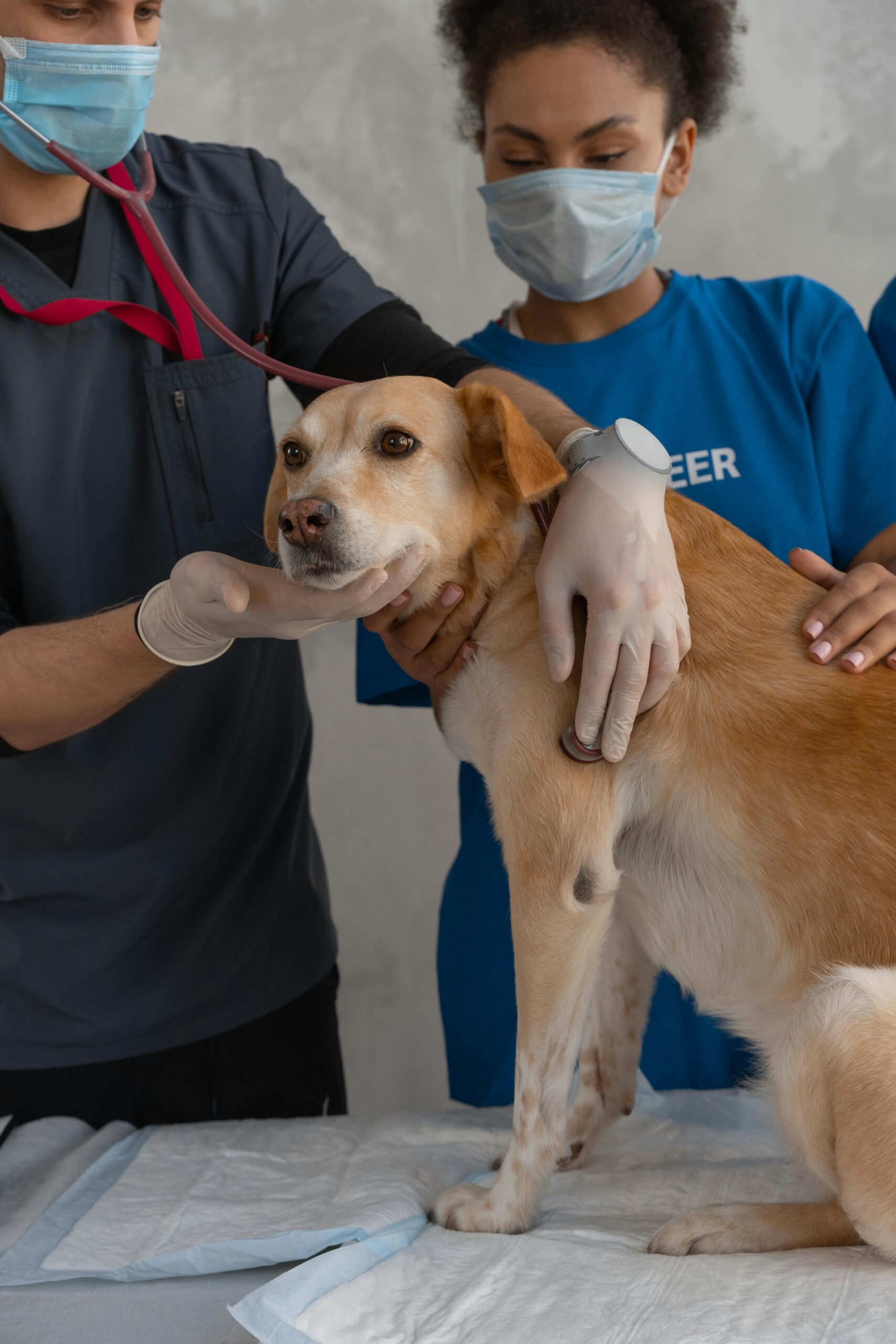
The veterinary industry is experiencing significant workforce trends that directly affect clinics across the United States. As veterinary workforce trends evolve, clinic owners and managers face challenges such as staff shortages, employee retention, and increasing costs of care. These challenges impact not only the operation of the clinics but also the quality of patient care provided. Understanding these trends is crucial for developing effective strategies that enhance employee retention and improve overall clinic functionality.
Understanding Workforce Trends in Veterinary Clinics
The current landscape of veterinary clinics reveals a pressing need for skilled professionals. Key workforce trends indicate a rising demand for veterinary services amid a finite supply of trained personnel. This situation leads to increased stress for existing staff, particularly for roles such as the General Practice Veterinarian and Emergency Veterinarian, who frequently handle high patient volumes. Moreover, the ongoing staff shortages affect not only workload but also the mental health of Veterinary Internal Medicine Specialists and other specialists, emphasizing the importance of employee retention strategies.
Challenges Affecting Employee Retention
Employee retention remains a top concern in veterinary clinics. According to recent reports, one of the main reasons veterinarians leave their positions is burnout caused by excessive workloads. Urgent Care Veterinarians and Critical Care Veterinarians face intense demands during peak times, often leading to high turnover rates. Additionally, financial strains on clinics may prevent practice owners from offering competitive salaries and benefits. Thus, addressing these issues is vital to reducing turnover and maintaining a stable workforce.
Strategies to Enhance Employee Retention
To combat these challenges, veterinary clinics must adopt effective workforce management strategies. Here are some practical recommendations:
- Flexible Scheduling: Offer flexible work hours to accommodate the varying needs of your staff. This flexibility can significantly alleviate burnout and improve job satisfaction.
- Continuing Education: Invest in the ongoing education and professional development of your team. This creates a culture of growth and empowers staff, particularly those in specialty roles such as Board-Certified Veterinary Internal Medicine Specialists.
- Supportive Environment: Cultivate a supportive and collaborative work culture. Regular team-building activities and open communication can enhance relationships and help retain staff.
- Offer Competitive Benefits: Benefits such as mental health support and wellness programs can attract and retain talented veterinarians.
- Mentorship Programs: Establish mentorship programs to support Associate Veterinarians and new graduates. This fosters professional growth and strengthens relationships within the practice.
Utilizing Technology for Operational Efficiency
Leveraging technology can also help address some workforce challenges in veterinary clinics. Practice management software can streamline administrative tasks, allowing veterinarians to focus on patient care rather than paperwork. Furthermore, telemedicine options can support Urgent Care Veterinarians by providing additional access to patients while reducing in-clinic traffic. Embracing these technological advances is vital to boosting operational efficiency across various roles.
The Importance of Adapting to Industry Trends
As the veterinary industry continues to evolve, staying informed about workforce trends is crucial for clinic owners and managers. Engaging with organizations and networks can provide insights and resources to enhance workforce strategies. Understanding the unique pressures faced by various roles—such as Mixed Animal Veterinarians managing both large and small animals—can guide targeted retention efforts and operational improvements.
Conclusion
In summary, managing workforce trends in veterinary clinics requires proactive strategies focused on employee retention and operational efficiency. By addressing the unique challenges faced by clinicians, such as high workloads and inadequate support, practices can create a more sustainable work environment. The Pulivarthi Group stands ready to assist veterinary clinics in navigating these challenges. We help clinics access hard-to-find talent across all veterinary roles, from Associate Veterinarians to Board-Certified Veterinary Internal Medicine Specialists, ensuring your practice has the expertise needed to thrive.