Fleas are not only a nuisance for pets; they also pose serious health risks. As veterinary professionals, understanding flea control and flea-borne diseases is essential for ensuring the well-being of our animal patients. Antibiotic-resistant skin infections, dermatitis, and anemia related to flea infestations create challenges for veterinary clinics throughout North America. Therefore, implementing effective year-round flea control is crucial.
Flea Life Cycle and Common Pet Ailments
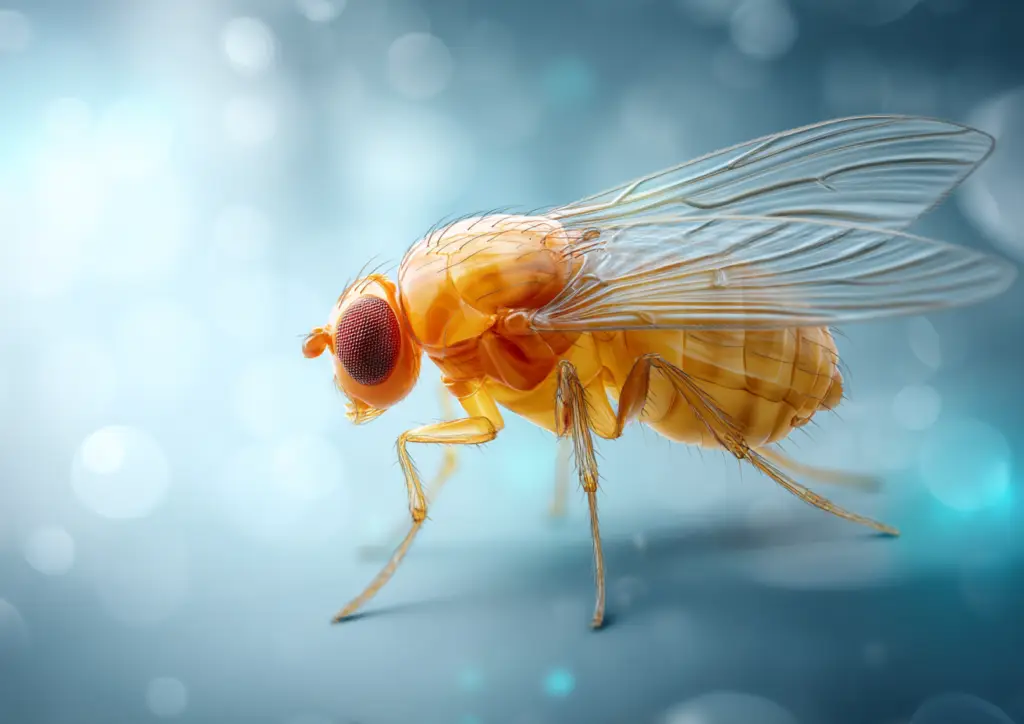
The life cycle of fleas, particularly Ctenocephalides felis, consists of four stages: egg, larva, pupa, and adult. The entire cycle can take as little as two to three weeks in warmer conditions. This rapid reproduction often leads to significant infestations. General practice veterinarians must educate pet owners on how a few adult fleas can quickly become hundreds, thus necessitating preventive measures.
Flea allergy dermatitis is one of the most common issues facing pets plagued by these pests. The bites cause intense itching, leading to secondary infections. Urgent care veterinarians frequently encounter cases involving acute allergic reactions that require immediate treatment. As a result, early identification and intervention remain crucial in managing this condition.
Flea-Borne Diseases: Understanding the Risks
Fleas transmit several serious diseases affecting both pets and humans. Diseases such as cat scratch fever and typhus can be transmitted through flea bites. Understanding these risks enables veterinary clinics to advocate better for preventive care. Knowledge empowers community medicine veterinarians and shelter veterinarians to educate pet owners on responsible pet ownership and the importance of flea control.
Strategies for Effective Flea Control
To combat flea infestations, veterinary clinics should recommend comprehensive flea control protocols. Options include:
- Topical Treatments: Monthly topical treatments provide effective protection against fleas.
- Oral Medications: These can kill fleas rapidly and are often well-tolerated by pets.
- Environmental Control: Regular vacuuming, washing bedding, and using environmental insecticides support a multi-faceted approach.
- Client Education: Empower pet owners with knowledge on the importance of continuous flea prevention.
As a result, these strategies ensure both pets and their owners remain flea-free throughout the year.
Operational Efficiency in Veterinary Clinics
Increasing operational efficiency is vital for veterinary clinics addressing flea control. Streamlined workflows ensure that associate veterinarians can efficiently educate pet owners about flea prevention during routine visits. Furthermore, digital solutions can optimize appointment scheduling and enhance communication about ongoing flea control efforts.
A mixed animal veterinarian might face unique challenges in flea control, as livestock may also harbor fleas that affect companion animals. Thus, integrating knowledge from the vet community, including food animal veterinarians, optimizes health strategies across multiple species.
Conclusion
Understanding flea control and the diseases they carry is fundamental for veterinary clinics aiming to enhance pet health. By implementing effective strategies year-round, clinics can significantly minimize the impact of flea infestations. As a partner in your journey, Pulivarthi Group provides access to talented veterinary professionals across various roles. From associate veterinarians to board-certified specialists, our staffing solutions can help your practice meet the demands of effective patient care and operational efficiency. Collaborate with us to ensure that your clinic is well-equipped to tackle the challenges of flea control and enhance the health and wellness of pets.