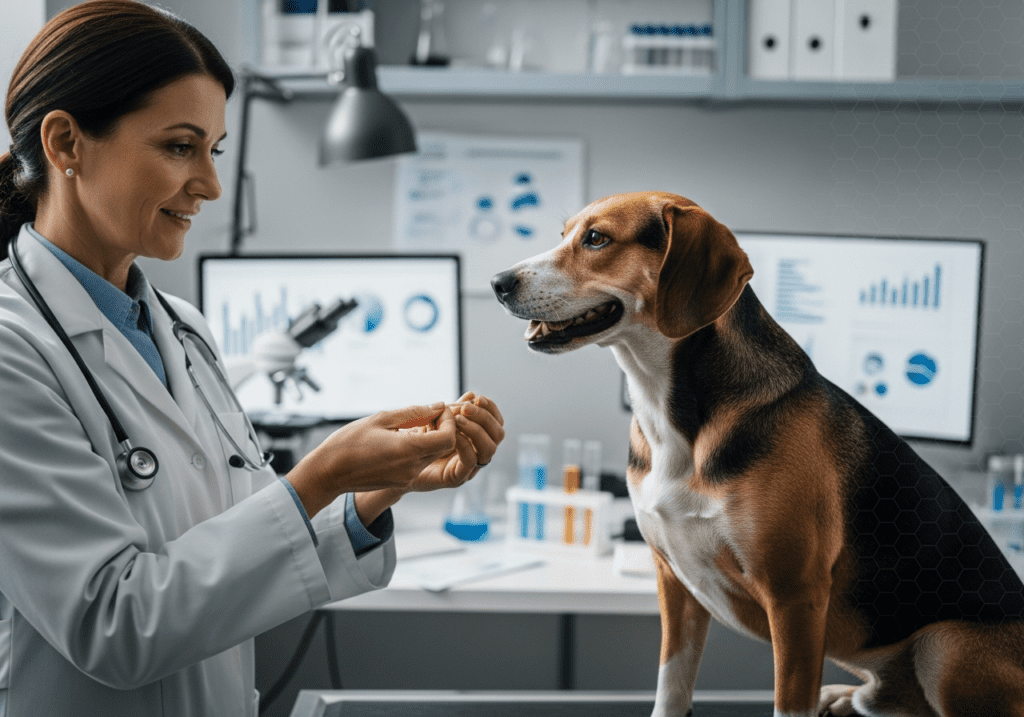
In veterinary medicine, the use of biomarkers represents a significant advancement in the diagnosis and monitoring of various conditions, particularly respiratory diseases such as pneumonia in dogs. Biomarkers are measurable indicators of the severity or presence of a disease. Their integration into clinical practice facilitates improved diagnosis, more targeted treatments, and enhanced patient monitoring, ushering in a new era of veterinary care.
Why Understanding Biomarkers is Essential for Veterinary Clinics
Veterinary clinics face the ongoing challenge of diagnosing complex conditions. For instance, pneumonia in dogs can present with numerous clinical signs that overlap with other diseases. Incorporating biomarkers into diagnostics not only streamlines the process but also strengthens decision-making across various veterinary roles. Associate veterinarians and general practice veterinarians will find that effective use of biomarkers heralds enhanced patient management, allowing for quicker identification of respiratory issues and more informed treatment protocols.
The Role of Biomarkers in Diagnosing Pneumonia
Biomarkers for pneumonia and other pulmonary diseases offer a multifaceted approach to diagnostics. Some key biomarkers include:
- Inflammatory cytokines: Indicate the presence of inflammation.
- Proteins associated with tissue injury: Serve as indicators of damage due to pneumonia.
- Microbial DNA: Helps identify specific infectious agents.
Utilizing these biomarkers greatly supports veterinarians in differentiating between various types of pneumonia quickly. This is critical, particularly for emergency and urgent care veterinarians, who often need to make rapid, informed decisions. Identifying the specific type of pneumonia effectively determines treatment protocols, ultimately enhancing patient outcomes.
Challenges in Monitoring Canine Respiratory Conditions
Monitoring the progression of pneumonia poses notable challenges. Traditional diagnostic methods may lack sensitivity, leading to delayed responses. Biomarkers can facilitate continuous monitoring, providing real-time insights into patient health. Critical care veterinarians can leverage these tools to assess treatment efficacy more accurately, allowing for timely modifications to care plans.
Moreover, the need for constant assessment is particularly relevant in the shelter veterinary context. Shelter veterinarians often manage multiple cases where resource allocation is crucial, making efficient monitoring systems necessary. Here, rapid access to biomarker data can vastly improve treatment approaches, fostering a healthier shelter population.
The Implications for Mixed Animal and Food Animal Veterinarians
It’s also important to recognize the implications of biomarkers in the mixed animal and food animal sectors. Veterinary professionals working with larger populations can benefit from biomarkers’ ability to provide population-level insights into respiratory health issues. By implementing biomarker testing as standard practice, veterinarians can enhance strategic health initiatives aimed at preventing outbreaks of pneumonia and similar diseases.
Future Trends in Biomarkers for Veterinary Medicine
As our understanding of biomarkers expands, we can anticipate a future where their application widens across various veterinary specialties, including Internal Medicine. Board-certified veterinary internal medicine specialists (DACVIM) might utilize advanced biomarker profiles to develop personalized treatment plans that account for unique patient responses. Moreover, the continuous research in this domain may unveil new biomarkers that track response to therapy or predict disease outcomes more reliably.
Conclusion
Understanding and utilizing biomarkers in veterinary medicine, especially regarding canine pneumonia, is of paramount importance for improving diagnostic accuracy and treatment efficiency. As veterinary roles evolve continuously, embracing these innovations allows for better patient care and operational efficiency. At Pulivarthi Group, we comprehend the significance of having access to specialized roles, from Associate Veterinarian to Board-Certified Veterinary Internal Medicine Specialists (DACVIM). We are committed to helping veterinary clinics harness these advancements by connecting them with the skilled professionals needed to navigate today’s evolving landscape effectively.