Understanding avian anesthesia is crucial for veterinary clinics that treat birds. The complexities of avian physiology call for specialized knowledge and techniques. This article aims to provide veterinarians, veterinary students, and avian specialists with foundational insights into avian anesthesia practices. Improving patient outcomes depends on a solid grasp of these essential concepts.
Fundamentals of Avian Anesthesia
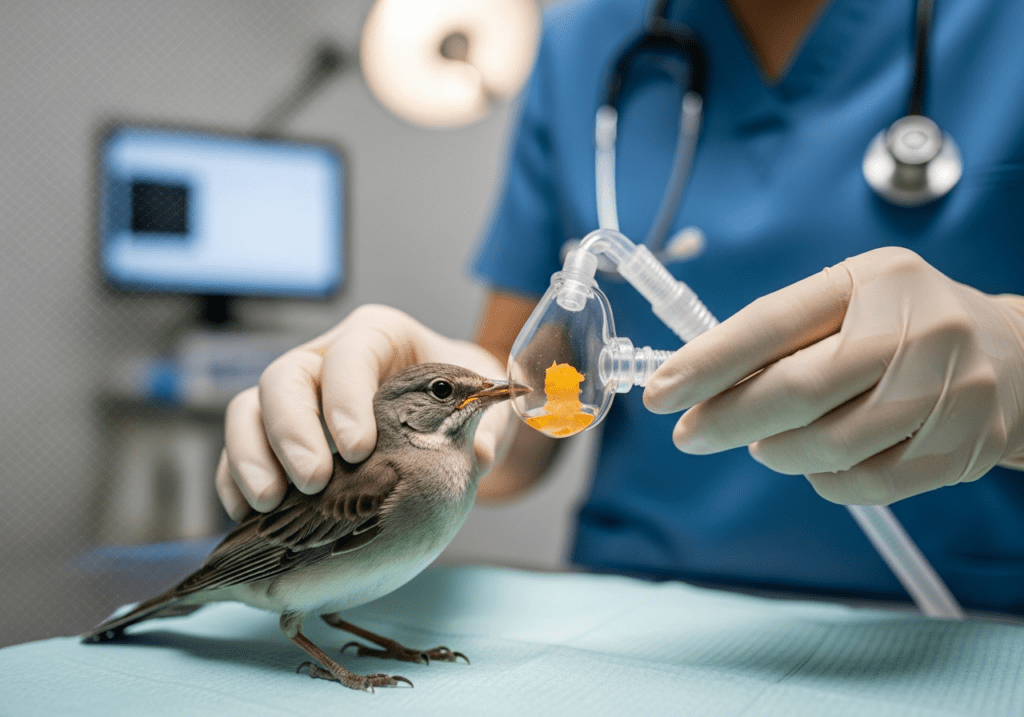
Avian anesthesia diverges significantly from standard anesthesia practices used on mammals. Birds possess unique anatomical and physiological traits. Their respiratory system, for instance, uses air sacs, which creates challenges during anesthesia. Choosing the right anesthetic agents becomes pivotal. Commonly used agents include Isoflurane and Sevoflurane. Understanding their pharmacological properties helps in managing the delicate balance between efficacy and safety during procedures.
Moreover, proper dosage is crucial for avian patients. Can overdosage lead to complications? Absolutely. Associate veterinarians and general practice veterinarians should ensure they calculate weights accurately. In addition, monitoring the bird’s response to anesthesia consistently is essential. Effective patient management minimizes risks associated with avian anesthesia.
Best Practices for Avian Anesthesia
Anesthesia in birds requires a careful approach. Pre-anesthetic evaluations should always be thorough. Why is this necessary? Because certain health conditions can affect how birds tolerate anesthesia. Factors such as dehydration, body temperature, and pre-existing medical conditions must be assessed thoroughly.
- Pre-anesthetic fasting, ideally lasting a few hours, helps reduce the risk of aspiration.
- Administer pre-anesthetic medications wisely to calm the bird.
- Utilize monitoring equipment such as pulse oximeters to assess oxygenation levels and heart rates.
- Ensure proper warming techniques are in place to mitigate hypothermia risks.
Practitioners in urgent care or emergency situations must act swiftly. When is an avian patient considered critical? If they show signs of severe respiratory distress or hypoperfusion. For emergency veterinarians, rapid stabilization and effective anesthesia management become vital.
Challenges in Avian Anesthesia
Implementing avian anesthesia practices poses challenges across various veterinary roles. For example, mixed animal veterinarians might face different hurdles compared to those solely focused on avian patients. Additionally, shelter veterinarians must often perform procedures rapidly due to resource constraints.
What solutions can improve outcomes in these scenarios? Focused training programs can enhance the knowledge base of clinical staff. Practical workshops, incorporating hands-on experience with anesthesia equipment and monitoring, serve as effective tools. Thus, fostering a skilled team ultimately leads to better patient care.
Trends in Avian Medicine
With advances in technology, veterinarians must stay informed about new anesthesia methods. Innovative tools are transforming how we administer anesthesia and monitor avian patients. More sophisticated monitoring devices enhance safety. Consequently, avian internal medicine specialists can make informed decisions much quicker than before. Therefore, clinics should embrace these innovations to improve their anesthesia practices.
As a result, constant updating of skills and knowledge becomes necessary for all veterinary professionals involved in avian care. This is especially essential for board-certified veterinary internal medicine specialists, who are key to optimizing anesthesia management in avian patients.
Conclusion
Understanding avian anesthesia is more than a technical skill; it’s an essential component of delivering quality veterinary care. This specialized area requires ongoing education, best practices, and collaboration among clinic teams. By prioritizing these factors, veterinary clinics can enhance patient outcomes and mitigate risks associated with anesthesia in avian species. Moreover, having access to specialized veterinary staffing solutions, such as those provided by Pulivarthi Group, is critical. They help connect clinics with hard-to-find talent across various roles, including associate veterinarians and emergency veterinarians, ensuring clinics maintain high standards in avian care.