Veterinary professionals are always seeking better solutions to enhance patient care. Recently, the veterinary clinic landscape is buzzing with news about a groundbreaking feline vaccine poised to make its debut in Europe. As veterinarians—whether you are in general practice, urgent care, or emergency medicine—you understand the pivotal role that vaccines play in feline health management. This new vaccine could significantly address the existing healthcare gaps for cats, and staying informed is essential for optimizing clinical outcomes.
Understanding the Importance of Feline Vaccines
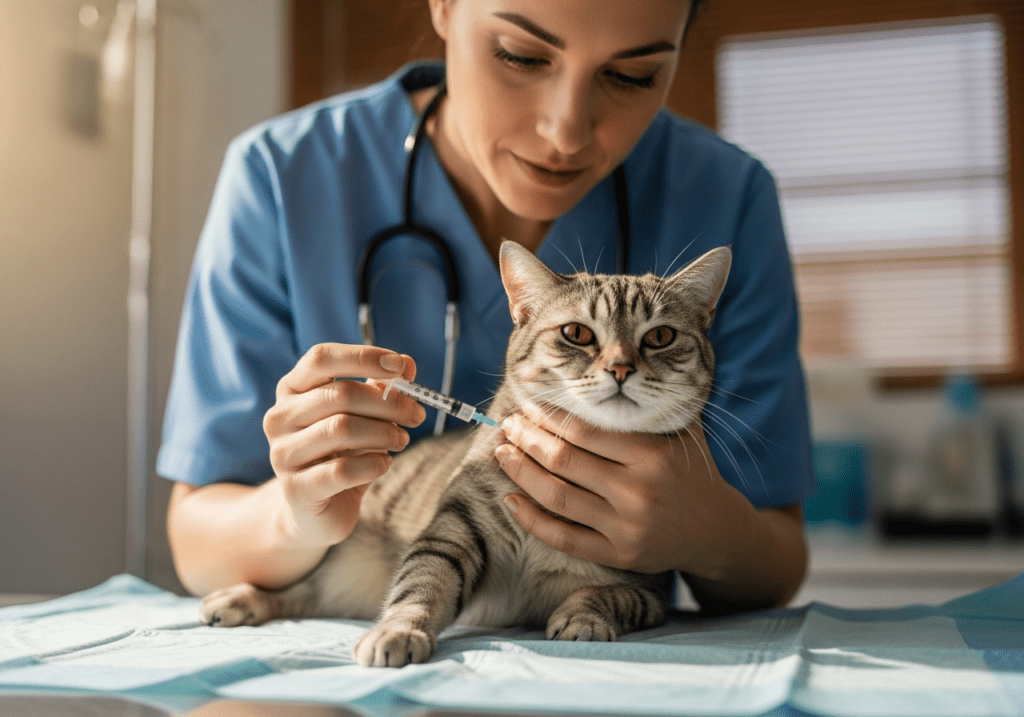
Feline vaccines protect against diseases that can lead to severe complications. Many veterinarians recognize the clinical significance of vaccines in preventing viral infections and promoting overall well-being in cats. For instance, the new vaccine could likely target prevalent conditions that present challenges in feline healthcare in Europe. With increasing awareness among pet owners about vaccine importance, clinics that adopt this new vaccine can differentiate their services, thus enhancing operational efficiency and patient care.
Key Challenges in Vaccine Availability
The availability of vaccines for cats in Europe has been inconsistent. Veterinary clinics frequently encounter delays in acquiring necessary vaccines, affecting treatment efficacy. For Associate Veterinarians and practice managers, ensuring vaccine supply is crucial for maintaining the trust of pet owners. These operational challenges can also complicate workflows, particularly in emergency settings where timely interventions are critical.
- Why is it important for veterinary clinics to stay updated on vaccine releases?
- What implications does vaccine availability have for urgent care veterinarians?
- How can clinics improve their vaccine supply chain management?
Implications for Practice Owners and Managers
To adapt to the changes surrounding feline vaccines, practice owners and managers must implement strategic planning. First, they should assess the implications of the new vaccine on existing patient protocols. Establishing partnerships with reliable veterinary distributors can also ensure that clinics maintain an adequate supply. Additionally, ensuring that clinical staff receive training on the new vaccine’s administration and potential side effects enhances patient care and staff confidence.
Industry Trends and Innovations
As we look to the future, the introduction of this vaccine aligns with broader trends in veterinary healthcare innovations. For example, ongoing advancements in biotechnology facilitate the development of more effective vaccines with fewer side effects. For specialists in veterinary internal medicine, these innovations can lead to better diagnostic and treatment protocols, improving health outcomes for patients. Keeping abreast of such trends prepares veterinarians to guide pet owners in making informed healthcare choices.
Conclusion
The anticipated release of the new feline vaccine in Europe represents a significant advancement in veterinary medicine. By understanding its relevance and preparing for its integration into current practices, veterinary clinics can optimize patient outcomes and address existing healthcare gaps. At Pulivarthi Group, we recognize the importance of having the right team to implement such innovations effectively. As a trusted staffing partner, we help veterinary clinics access the specialized talent they need to navigate the complexities of contemporary veterinary practice, including roles such as Emergency Veterinarian, Critical Care Veterinarian, and more. Together, we can elevate the standard of care for feline patients.