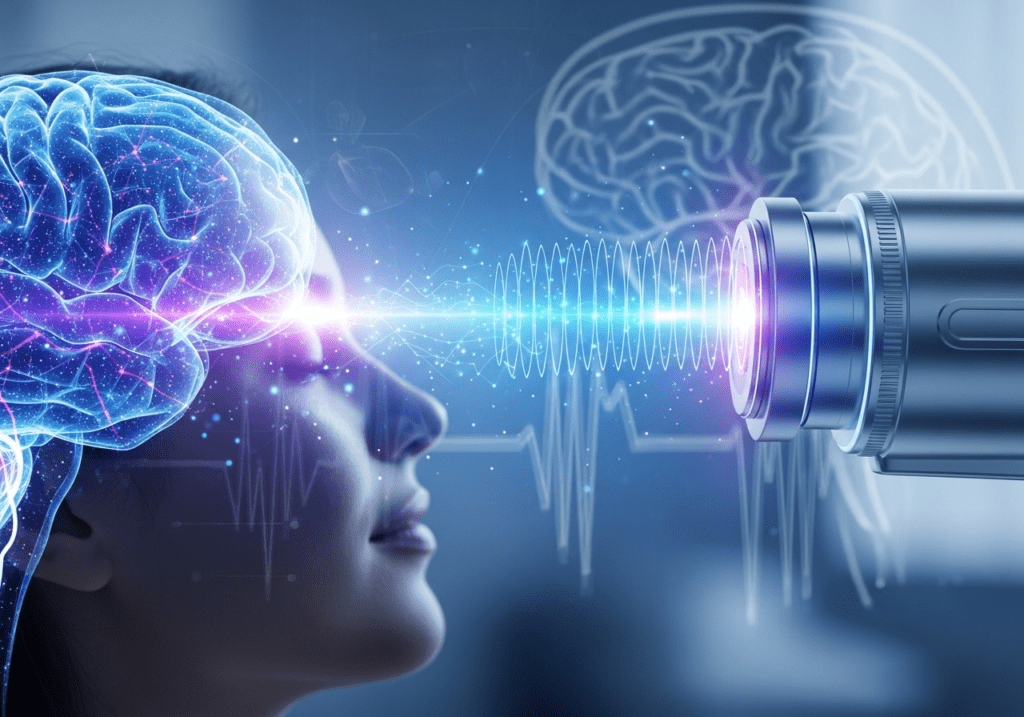
Transcranial Magnetic Stimulation (TMS) is rapidly emerging as a revolutionary treatment option in the mental health field. With its ability to address treatment-resistant depression, TMS represents a significant advancement in mental health care. For mental health clinics and practices, integrating TMS into their service line can enhance clinical care delivery and improve patient outcomes. This integration, however, comes with its own set of challenges that require thoughtful consideration and strategic planning.
Understanding TMS and its Benefits
TMS is a non-invasive procedure that utilizes magnetic fields to stimulate nerve cells in the brain. It has been particularly beneficial for individuals who do not respond to traditional depression therapies. TMS has shown positive outcomes in various mental health conditions, including anxiety and obsessive-compulsive disorder (OCD). The key advantage of TMS is its ability to provide a new avenue of hope for patients who have struggled with mental illness despite extensive previous treatment.
Establishing TMS as a Service Line
Implementing TMS in outpatient mental health clinics requires a structured approach. Clinic owners and directors must assess the operational requirements, including the necessary training for clinical staff. For instance, clinical psychologists may need additional training to integrate TMS therapy into their practice effectively. Furthermore, ensuring adherence to regulatory considerations is crucial. In the United States, compliance with local and federal healthcare regulations regarding TMS is imperative to avoid legal complications.
Operational Efficiency in TMS Implementation
Operational efficiency is a vital consideration when adding TMS to mental health services. Clinics can streamline the integration process through effective scheduling systems and patient management protocols. For example, utilizing telepsychiatry models can enhance access for patients who find it difficult to attend in-person visits. Moreover, ensuring that billing staff are knowledgeable about TMS coding options will facilitate smoother reimbursement processes.
Patient Outcomes Related to TMS
The ultimate goal of incorporating TMS is to improve patient outcomes. Research suggests that TMS leads to significant improvement in symptoms for many patients, particularly those battling chronic mental health issues. Therefore, measuring and documenting patient responses to TMS is crucial for refining treatment plans. By tracking these outcomes, clinical teams—including psychiatric mental health nurse practitioners (PMHNPs) and licensed clinical social workers (LCSWs)—can make informed decisions on continuing or adjusting treatment approaches.
Industry Trends and Future Directions
The trend towards incorporating innovative technologies such as TMS in mental health care reflects a shift towards personalized treatment options. Clinics that adopt TMS are not only enhancing their service offerings but are also positioning themselves as leaders in mental health interventions. As competition grows, being early adopters of effective therapies like TMS can attract new patients and retain existing ones who are seeking cutting-edge treatment approaches.
Conclusion
In conclusion, the integration of Transcranial Magnetic Stimulation into mental health clinics represents a progressive step towards enhancing care delivery and improving patient outcomes. As this technology continues to evolve, so will the need for skilled professionals who can effectively implement and manage TMS therapies. At Pulivarthi Group, we support mental health organizations in finding qualified professionals such as clinical psychologists, PMHNPs, BCBAs, psychiatric PA-Cs, and LCSWs. Together, we can ensure that your clinic meets the rising demands of innovative mental health treatment like TMS.