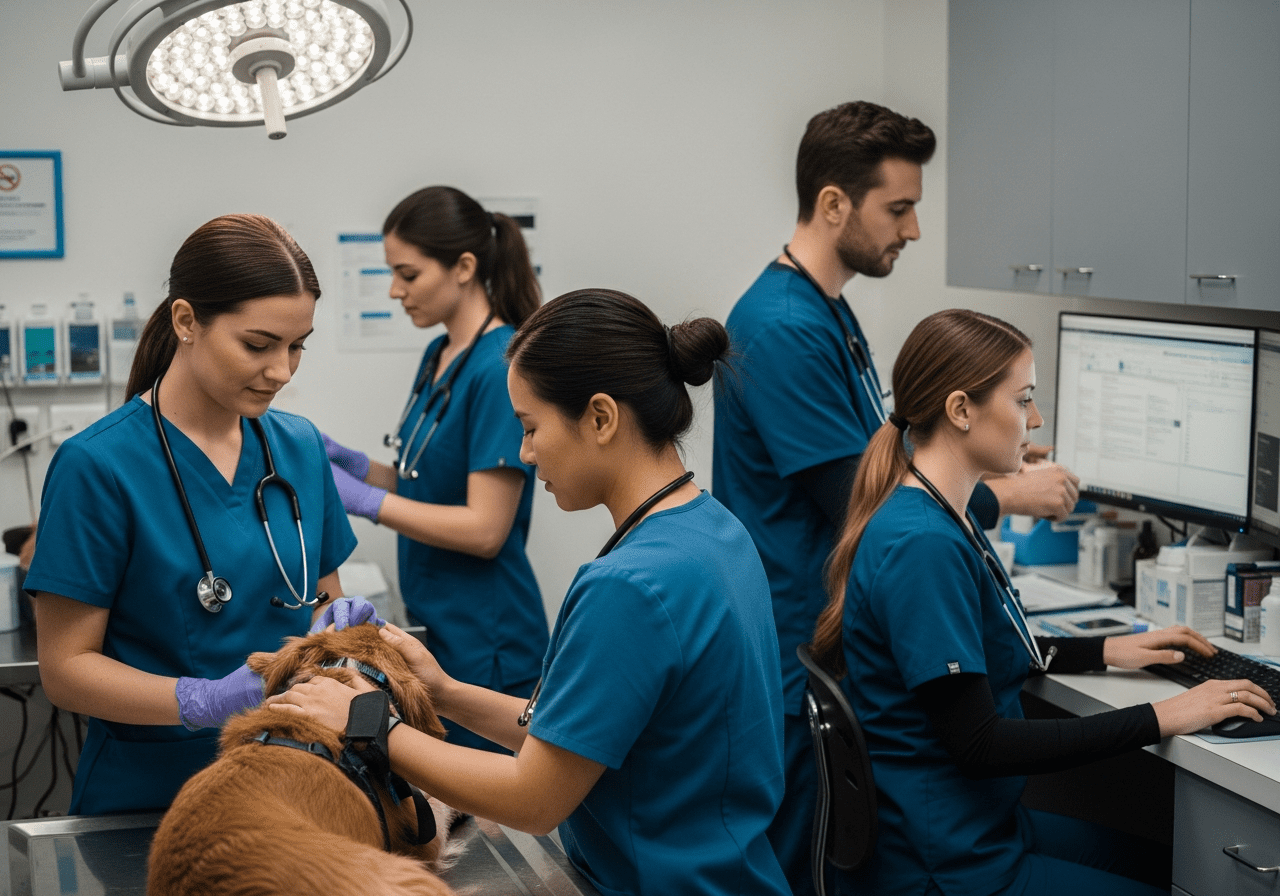
In the ever-evolving world of veterinary practice, mentorship plays a vital role in shaping the careers of veterinarians. Structured mentorship programs significantly enhance professional development, especially within veterinary clinics. These initiatives not only foster growth for individual veterinarians but also positively impact clinic operations and patient care. Understanding the strategic implementation of mentorship can help practice owners, partners, and managers create environments that promote learning and retention.
The Role of Mentorship in Veterinary Practice
Mentorship in veterinary practices offers invaluable benefits. For the Associate Veterinarian and Veterinary Interns, having seasoned mentors helps in navigating the initial hurdles of clinical practice. Mentorship aids in developing essential skills, from clinical techniques to client communication. In particular, emergency and critical care veterinarians benefit from tailored guidance, as these roles demand rapid decision-making and procedural expertise.
Addressing the Challenges of Professional Development
A significant challenge in veterinary clinics is the lack of structured mentorship programs. Many new veterinarians report feeling unprepared and unsupported during their formative years. This situation can lead to burnout and high turnover rates. The establishment of effective mentorship systems allows for a culture of ongoing learning. For example, urgent care veterinarians can learn the intricacies of emergency protocols from their more experienced peers, ensuring they deliver high-quality patient care while gaining confidence in their roles.
Creating a Structured Mentorship Program
Implementing a structured mentorship program involves several key steps:
- Identify mentors: Select experienced veterinarians ready to guide others.
- Set objectives: Establish clear goals for the mentorship relationship.
- Regular meetings: Schedule periodic check-ins to track progress and address any challenges.
- Feedback loop: Create a system for both mentors and mentees to share insights and improve the program.
These steps ensure that mentorship is not a passive experience but an active and impactful part of professional growth. Community medicine veterinarians, for instance, can share their unique perspectives, enhancing the overall knowledge base of the clinic.
Long-Term Implications for Clinics
The implications of strong mentorship extend beyond individual development. Clinics with effective mentorship programs often experience improved staff retention and overall morale. Veterinarians feel more engaged and invested in their roles, leading to enhanced patient care. This is especially true for mixed animal and food animal veterinarians, who often engage with diverse patient populations. Ultimately, a supportive mentorship atmosphere leads to better clinical outcomes and a positive reputation within the community.
Embracing New Trends in Mentorship
Recent trends show that virtual mentorship and online training resources are becoming increasingly popular. Remote platforms allow for flexibility, enabling mentors and mentees to connect easily, regardless of their geographical location. This is particularly beneficial for shelters and community-focused veterinary practitioners, who might face unique challenges that can be addressed through innovative mentorship solutions.
Conclusion
Mentorship is a crucial component of professional growth in veterinary practices. By prioritizing structured mentorship programs, veterinary clinics can address the challenges of lack of guidance and support in the field. With a focus on professional development, practice owners, partners, and managers will cultivate an environment that empowers their clinical teams. At Pulivarthi Group, we understand the importance of mentorship and are dedicated to helping veterinary clinics access high-quality talent across various roles, including Associate Veterinarians, Emergency Veterinarians, Shelter Veterinarians, and Board-Certified Veterinary Internal Medicine Specialists. Together, we can foster a culture of growth and excellence within the veterinary industry.