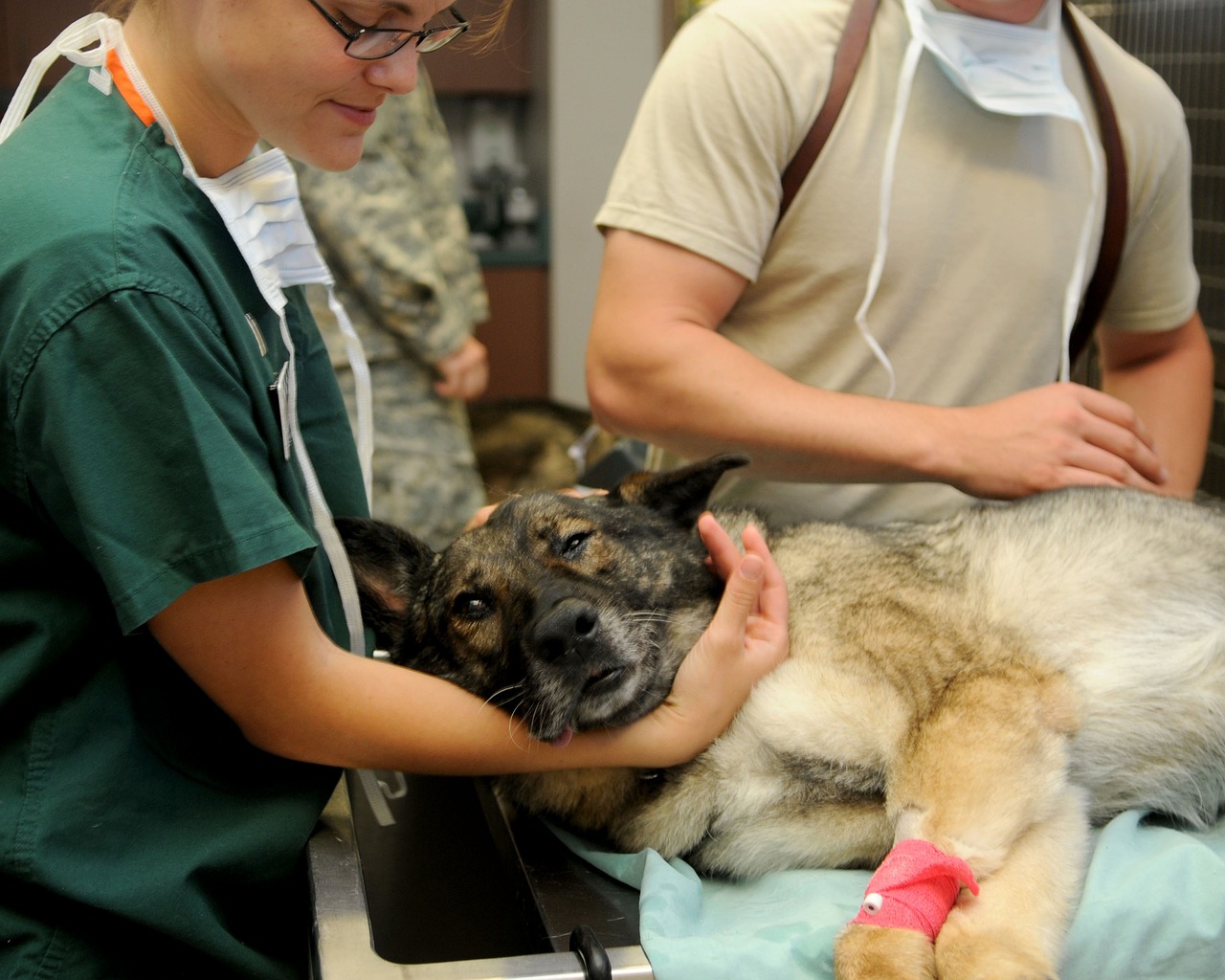
Supporting clients through pet loss is a critical aspect of veterinary practice. Pet loss support is not just about handling the practicalities of euthanasia or end-of-life decisions. It involves providing emotional support and understanding to grieving pet owners during a profoundly difficult time. Veterinary clinics, therefore, must equip their teams with effective strategies to manage these sensitive situations, enhancing the overall client experience. Moreover, having the ability to show compassion not only strengthens relationships but also fosters trust in clinical outcomes.
Understanding Grief and Loss in a Veterinary Context
Grief is a complex emotional response to losing a beloved pet. It differs greatly between individuals and can be influenced by the type of animal care received prior to loss. For example, an Associate Veterinarian in a general practice may encounter clients who feel overwhelmed by guilt or uncertainty regarding their pet’s health decisions. Urgent care veterinarians, on the other hand, may face sudden losses, where clients are unprepared and may need immediate emotional support.
It’s essential for veterinary professionals, including Emergency and Critical Care Veterinarians, to recognize that each person’s grief journey is unique. Understanding the nuances of grief can empower veterinary teams to offer personalized pet loss support. For instance, some clients may desire detailed procedural explanations, while others may need space to process their emotions quietly.
Strategies for Providing Compassionate Client Communication
To effectively support grieving clients, veterinarians and clinic staff can adopt several compassionate strategies:
- Open Dialogue: Encourage clients to share their feelings and concerns. Ask open-ended questions about their memories with the pet.
- Empathetic Listening: Practice active listening by acknowledging their grief. Simple phrases like “I am so sorry for your loss” can make a significant difference.
- Provide Resources: Offer brochures or information on pet loss support groups. This guidance can help clients find community resources to continue their healing.
- Customized Follow-ups: After the initial visit, follow up with a heartfelt message or a phone call. This shows clients that their feelings matter and encourages ongoing communication.
- Remembering the Pet: Suggest memorial options such as personalized keepsakes or involvement in community remembrance events, reinforcing that the clinic values their bond with their pet.
These strategies enable Urgent Care and Emergency Veterinarians, among others, to manage the emotional landscape effectively, ensuring that clients feel heard and valued during this challenging time.
Navigating the Grieving Process in a Clinical Setting
Managing grief within a veterinary clinic can also present operational challenges. Understanding how different roles interact with clients in their moments of grief can aid in developing a comprehensive approach. For example, Shelter Veterinarians often face unique circumstances involving multiple losses in a single day, which can desensitize staff to grieving clients. Training in veterinary compassion for all roles, including Mixed Animal and Food Animal Veterinarians, is crucial for creating a supportive environment.
Moreover, integrating a culture of compassion as a team principle can mitigate burnout and promote emotional resilience among staff. Encouraging peer support and regular debriefing sessions can prepare teams to deal with client grief more effectively.
Conclusion
Supporting clients through pet loss is a nuanced and essential aspect of veterinary practice. By adopting compassionate strategies and maintaining open dialogues, veterinary teams can significantly enhance the client experience during one of their most difficult times. As a partner in this mission, Pulivarthi Group helps veterinary clinics access hard-to-find talent across various roles, including Associate Veterinarians, Emergency Veterinarians, and Board-Certified Veterinary Internal Medicine Specialists (DACVIM). By having a well-equipped team, clinics can further improve client relationships and establish a culture of compassionate care.