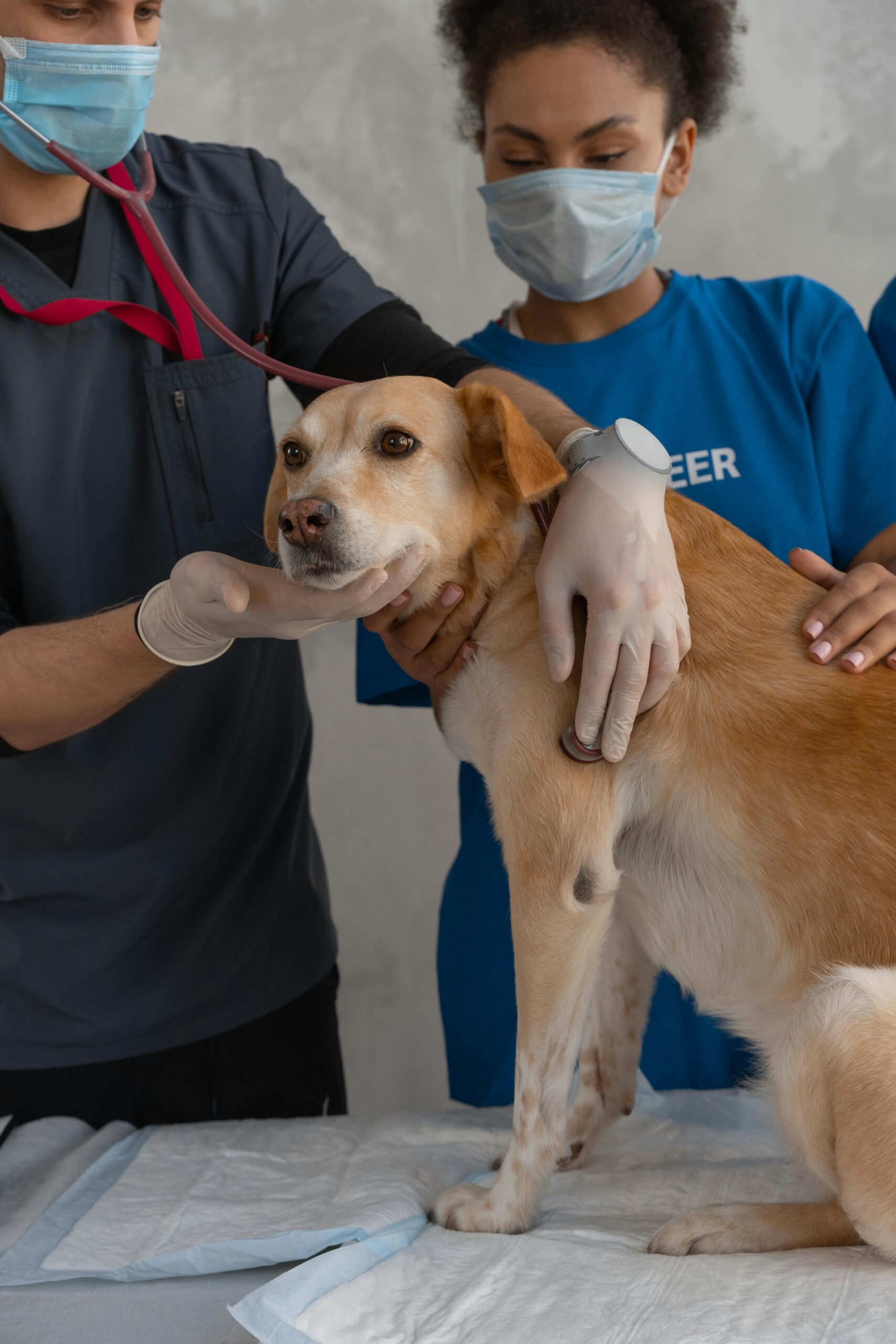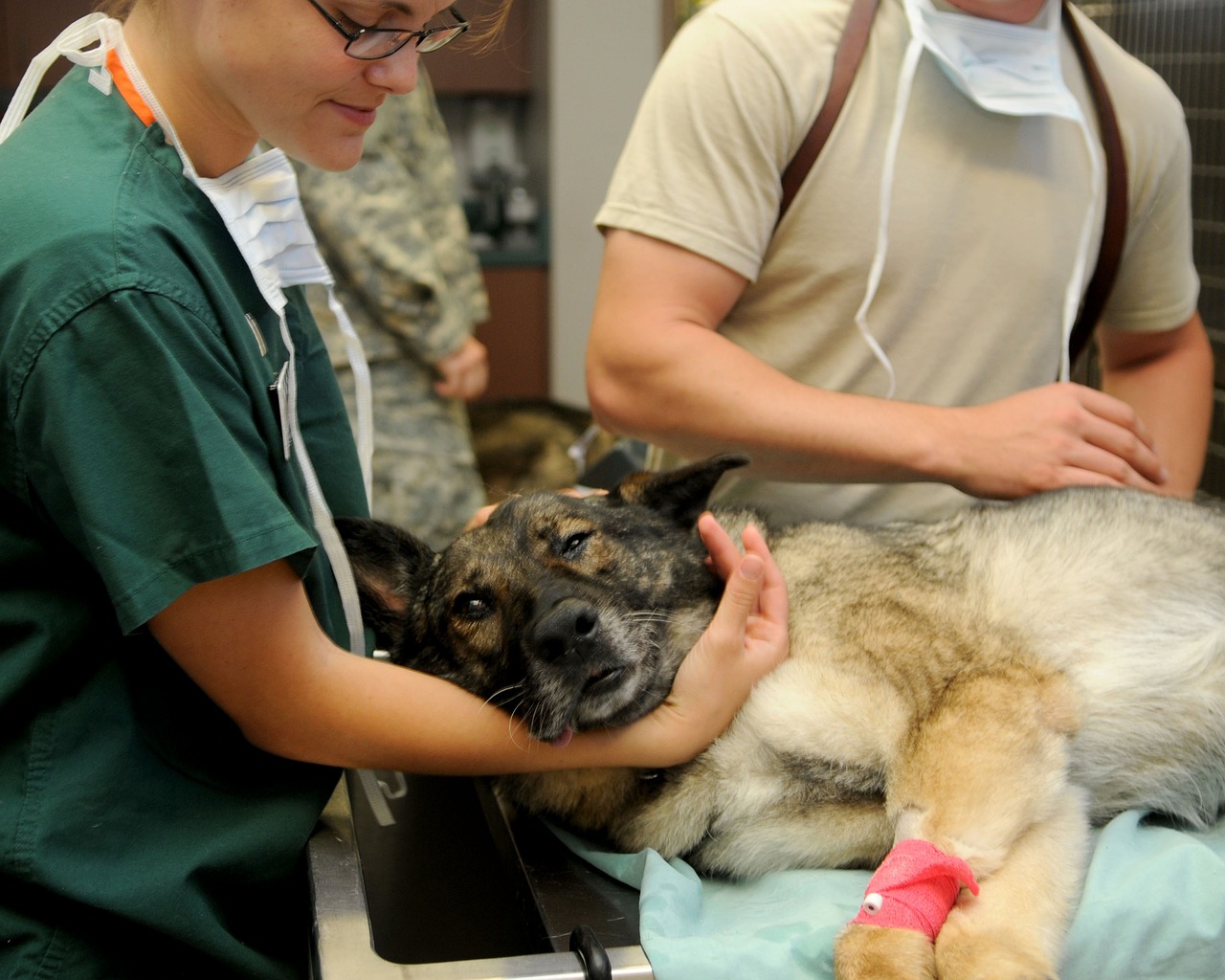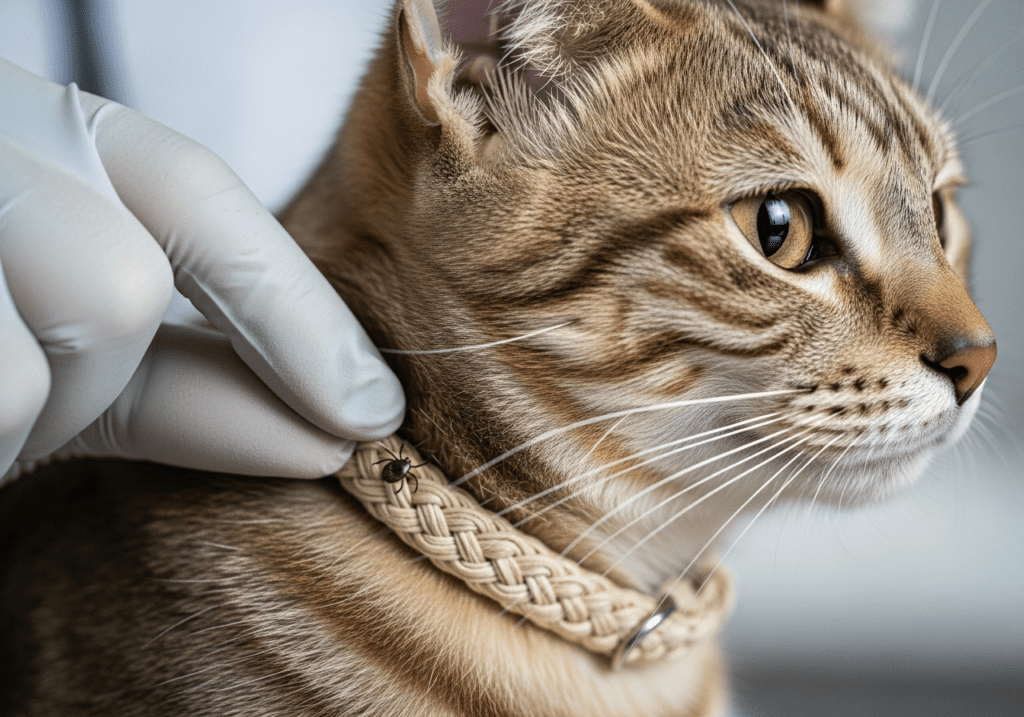
Veterinarians in northeastern Oklahoma are currently facing a significant rise in cases of cytauxzoonosis, commonly known as bobcat fever. This tick-borne disease poses substantial challenges to veterinary clinics, alarming both pet owners and clinical teams. Understanding the implications of this increase is crucial for effective patient care.
What is Cytauxzoonosis?
Cytauxzoonosis is caused by the parasite Cytauxzoon felis, which is transmitted through tick bites, mainly from the lone star tick. It primarily affects domestic cats, leading to severe illness and even death if untreated. With reports of rising cases, veterinarians need to be vigilant. Hospitalized cats often show symptoms including fever, lethargy, and jaundice, thus emerging as critical patients needing immediate care.
Why the Rise in Cases?
Several factors contribute to the increasing cases of cytauxzoonosis. Changing ecosystems, increased contact between wildlife and domestic pets, and climate shifts leading to longer tick seasons all play roles. Furthermore, the rise of shelter veterinarians and community medicine veterinarians can bring light to the importance of educating pet owners on tick prevention. Enhanced awareness ensures timely intervention, potentially saving lives.
Challenges for Veterinary Clinics
The uptick in cytauxzoonosis cases presents unique challenges across various veterinary roles. Urgent care veterinarians, for example, often deal with critical patients presenting severe symptoms. Emergency veterinarians may find themselves overwhelmed during peak tick seasons, requiring efficient triage protocols.
- Diagnostic Familiarity: Clinicians must be well-versed in recognizing clinical signs of cytauxzoonosis.
- Treatment Protocols: Developing standardized treatment pathways can significantly improve patient outcomes.
- Owner Communication: Clear communication strategies are essential to educate pet owners about prevention and signs of illness.
Preventing Tick-Borne Diseases
Pet owners play a vital role in preventing cytauxzoonosis through effective tick management. Recommendations include regular tick checks, using veterinarian-approved flea and tick preventatives, and maintaining a clean yard to minimize tick habitats. Educating clients during routine visits can enhance compliance with these practices.
What Can Veterinary Clinics Do?
Veterinary clinics can adopt a multi-faceted approach to counteract the rise of cytauxzoonosis. Regular training sessions can help staff stay updated on the latest treatment protocols. Developing community outreach programs may enhance awareness about tick-borne diseases, significantly impacting public health and pet welfare.
- Implementing preventive health care programs.
- Hosting educational workshops focused on tick prevention.
- Offering innovative veterinary care solutions, particularly in emergency and critical care settings.
Conclusion
The increasing incidence of cytauxzoonosis highlights an urgent need for veterinary clinics to adapt and respond effectively. By focusing on education, efficient protocols, and community outreach, clinics can mitigate the impact of this disease. The Pulivarthi Group can assist veterinary practices in securing the specialized talent needed to implement these vital strategies. From general practice to emergency veterinary roles, our resources aim to empower practices with the skilled professionals essential for optimal patient care. Together, we can navigate the challenges posed by rising tick-borne diseases and ensure the health and safety of our furry companions.