The field of veterinary medicine is experiencing unprecedented innovations. These advancements play a crucial role in addressing the challenges faced by veterinarians, particularly in companion animal health. With emerging diseases affecting our pets globally, staying informed about the latest practices is vital for veterinary clinics. This post explores these innovations, highlighting their implications for various veterinary roles.
Understanding Emerging Diseases in Companion Animals
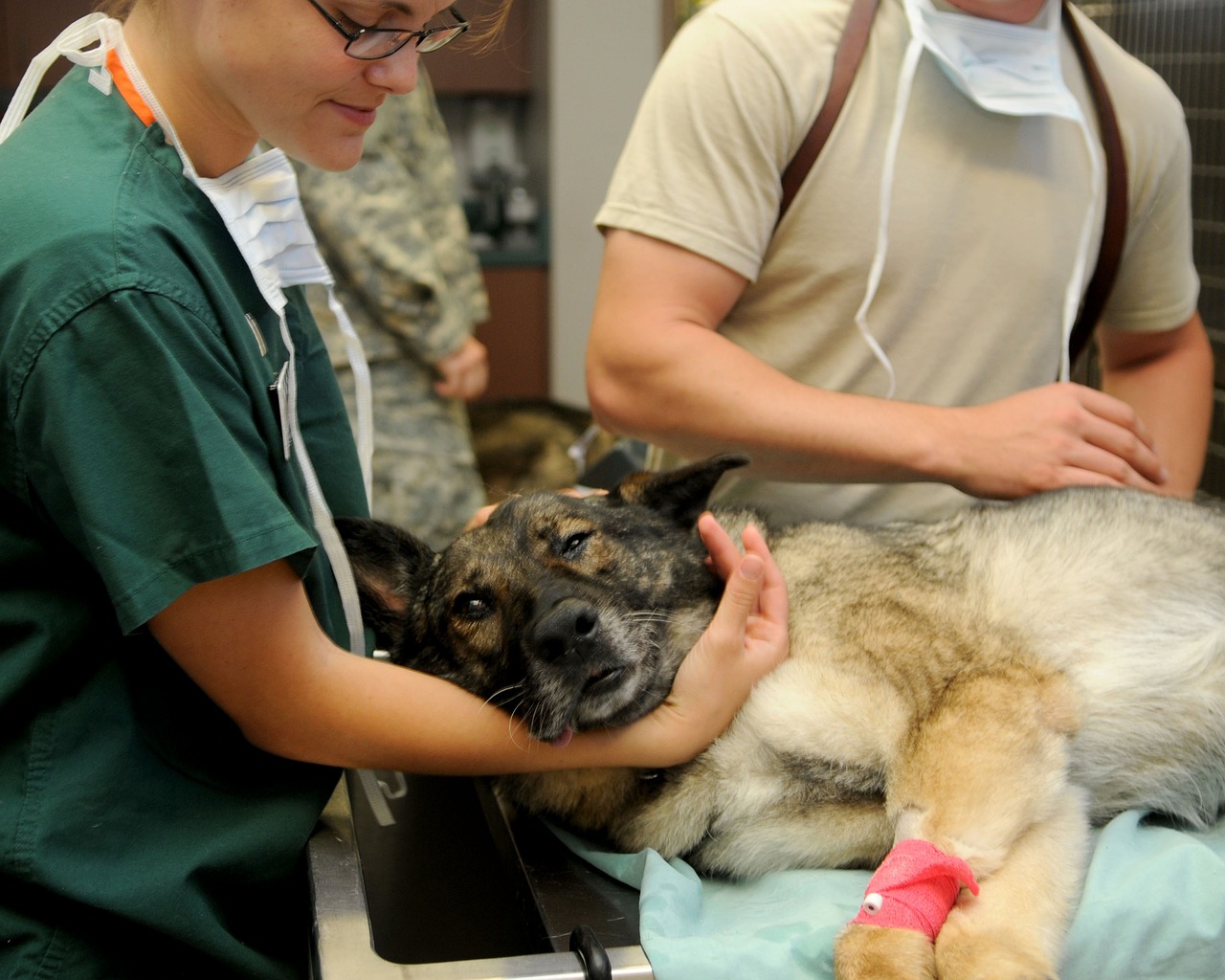
Recent years have seen a rise in emerging diseases impacting companion animals. Conditions such as canine influenza and leptospirosis increasingly challenge veterinary care. Thus, practice owners must equip their clinical staff to recognize and manage these diseases swiftly. For example, urgent care veterinarians often face cases requiring immediate attention for viral infections. Increased awareness and regular training on these issues enhance patient outcomes.
Innovations in Diagnostics and Treatment
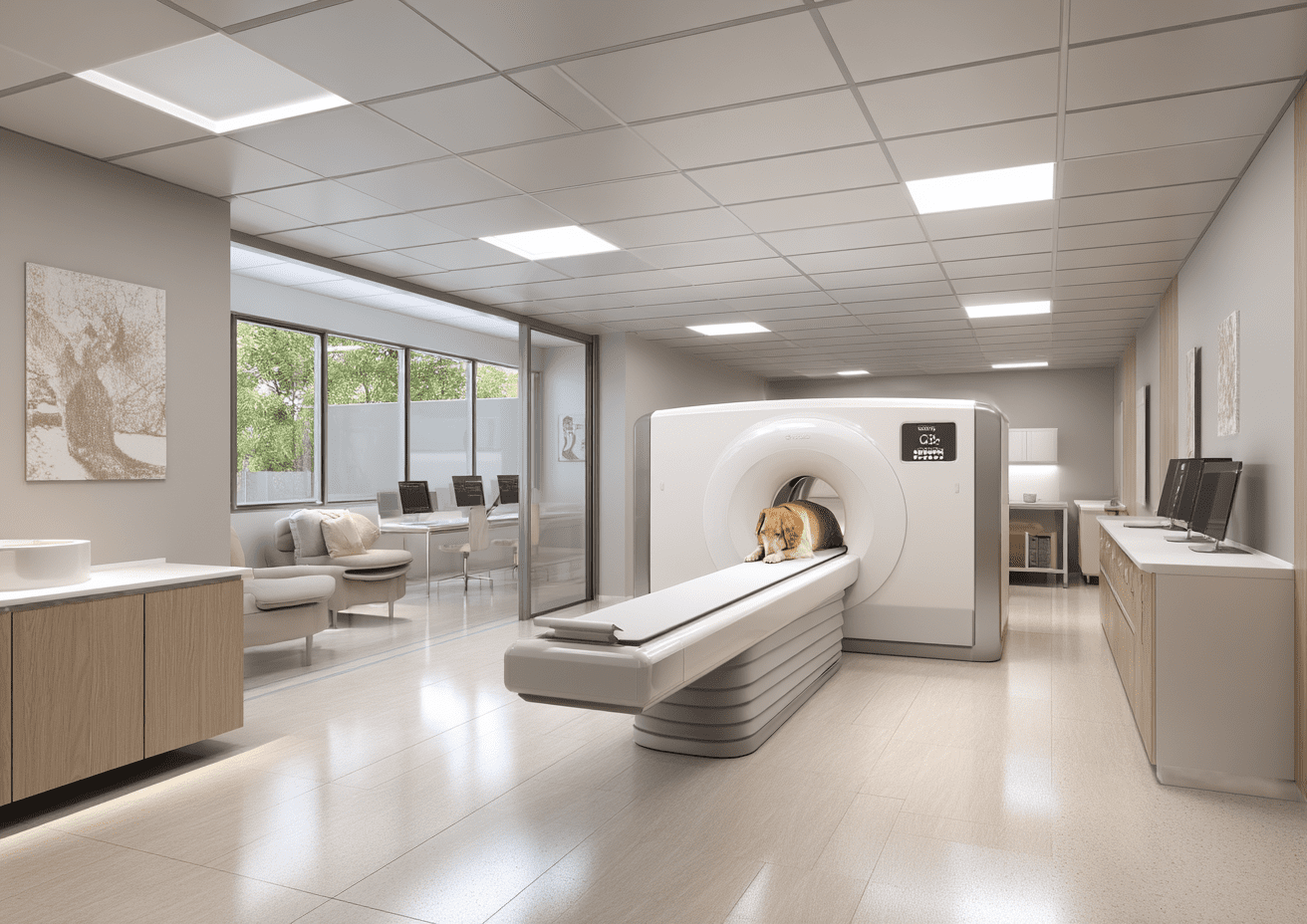
Innovations in veterinary diagnostics have greatly improved patient care. For instance, molecular diagnostics allow veterinarians to identify pathogens at a genetic level. This rapid testing is especially crucial for emergency veterinarians, who must make quick decisions based on accurate data. Furthermore, telemedicine has emerged as a valuable tool. This technology enables general practice veterinarians to consult with specialists without risking patient delays. By implementing these innovations, practices can boost operational efficiency and improve patient care.
Integrating Technology into Clinical Practice
The integration of technology in veterinary clinics enhances not only diagnostic capabilities but also operational workflows. Electronic medical records streamline patient data management. Moreover, software solutions facilitate appointment scheduling, thereby reducing no-shows. These efficiencies particularly support mixed animal veterinarians managing diverse cases. Additionally, wearable technology for pets offers real-time health monitoring, providing veterinarians with valuable data to adjust treatment plans.
Challenges in Veterinary Staffing
As innovations evolve, so do the workforce realities in veterinary clinics. Many practices struggle with staffing shortages, especially for specialized roles like board-certified veterinary internal medicine specialists. The demand for these positions often exceeds supply, creating operational stress. Therefore, practice owners are encouraged to consider flexible staffing solutions. Utilizing a veterinary staffing agency can provide access to qualified professionals while alleviating recruitment burdens.
Embracing a Culture of Continuous Learning
To keep pace with rapidly changing veterinary practices, a culture of continuous learning is essential. Seminars, webinars, and online courses equip veterinarians and their staff with updated knowledge. For instance, shelter veterinarians can benefit from training in infectious disease management, given their unique challenges. Thus, regular professional development not only enhances individual skills but also elevates overall clinic performance.
Conclusion
The landscape of veterinary medicine is shifting dramatically, driven by innovations that enhance companion animal health. By addressing emerging diseases and integrating advanced diagnostics and technology, veterinary clinics can improve patient care and operational efficiency. However, the challenges of staffing and continuous education remain paramount. At Pulivarthi Group, we understand these complexities and serve as a valuable partner to help veterinary clinics access hard-to-find talent across various roles. By collaborating, we can ensure that your practice is well-equipped to meet the demands of modern veterinary medicine.