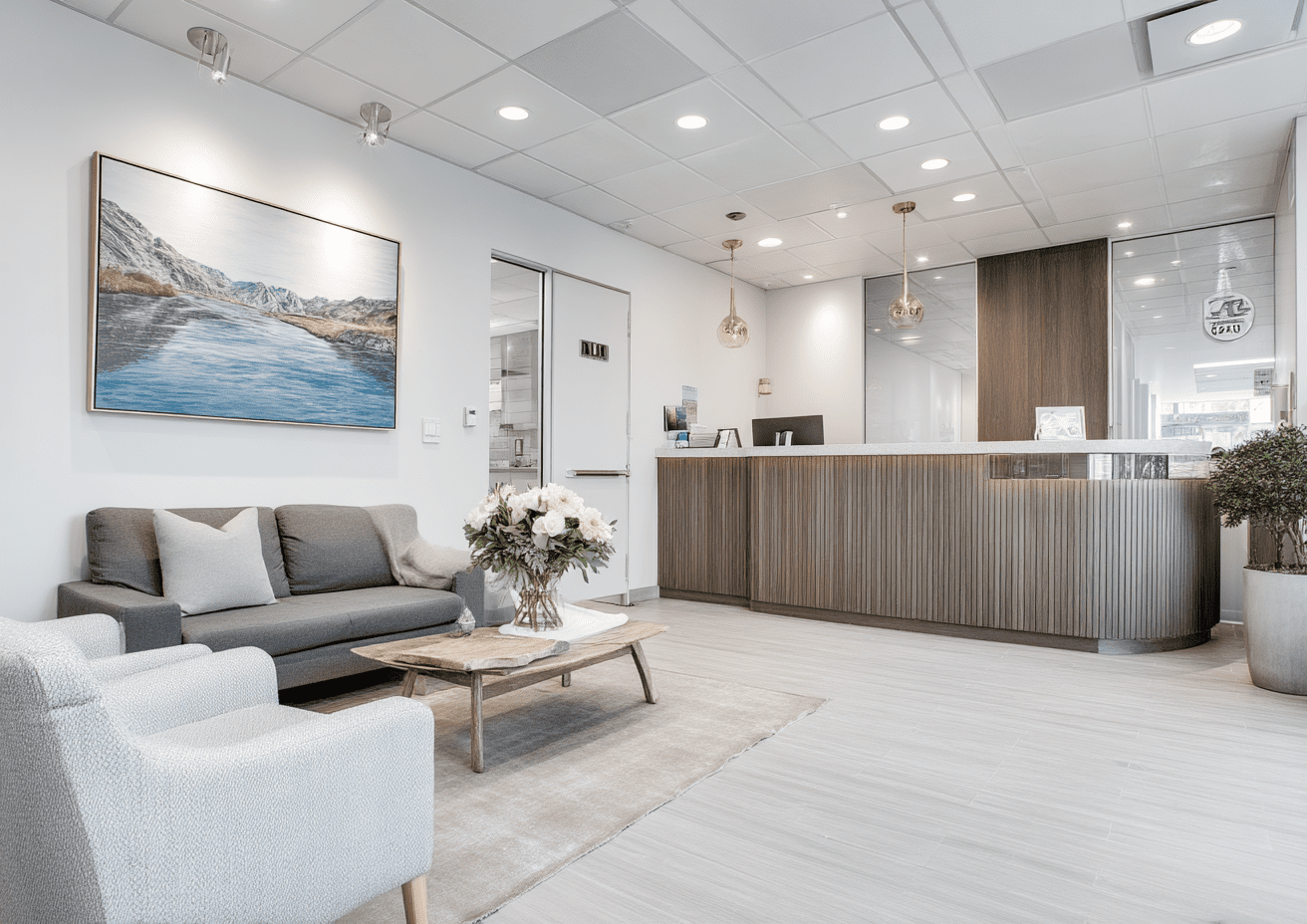
In a world that increasingly recognizes the importance of neurodiversity, mental health professionals must rethink traditional practices, especially during the intake process. The conventional intake model often fails to provide the necessary comfort and clarity for neurodivergent clients. Clinical settings need to adopt neuroaffirming care principles to enhance patient engagement and outcomes, mitigating key challenges faced during initial interactions.
Understanding Neurodiversity in Therapy
Neurodivergent clients, who may include individuals with autism, ADHD, or other cognitive variations, often face unique challenges in therapy. These can include sensory sensitivities, communication barriers, and uncomfortable power dynamics within therapeutic relationships. Therefore, it is crucial for mental health providers, from clinical psychologists to licensed clinical social workers, to establish a welcoming environment from the very first contact.
For example, traditional evaluations can feel non-consensual or invasive to some neurodivergent clients. Tailoring the intake process to respect their needs can drastically improve their willingness to engage. Implementing neuroaffirming practices not only creates a safer space but also aligns with ethical guidelines of consent and respect in mental health care.
Creating an Inclusive Intake Process
To enhance patient experiences in diverse settings, here are several strategies for rethinking the intake process:
- Utilize sensory-friendly environments, allowing clients to choose a space that feels comfortable.
- Implement flexible scheduling to minimize wait times and reduce anxiety.
- Incorporate multiple communication modes, such as visual aids or written materials, which cater to varying preferences.
- Encourage clients to self-disclose their needs and preferences by using open-ended questions to foster communication.
- Train staff to recognize signs of discomfort and empower them to adjust their approach accordingly.
These steps can help break down barriers for neurodivergent clients and promote a more effective therapeutic alliance. For instance, in outpatient clinics, mental health teams can collaborate on refining communication techniques, ensuring all members are aligned in their neuroaffirming approaches.
Operational Efficiency and Patient Outcomes
The integration of neuroaffirming care can also lead to enhanced operational efficiency. Better patient outcomes often translate into higher client retention rates for practices. For instance, psychiatric mental health nurse practitioners (PMHNPs) may find that clients engage more positively when their unique needs are recognized and addressed. This proactive approach can result in fewer missed appointments and an overall boost in the clinic’s reputation.
Furthermore, for rehabilitation facilities and inpatient programs, understanding the nuances of neurodiversity can improve therapeutic interventions. Clinical teams that are well-versed in these concepts can adapt treatment plans swiftly, making them more effective and personalized. This adaptability fosters a culture of acceptance and validation, essential for high-quality mental health care.
Challenges in Varied Care Settings
Each clinical setting presents distinct hurdles when adapting intake practices. For instance, in autism centers, staff must navigate essential regulatory considerations while also addressing the emotional needs of their clients. Ultimately, training and education are vital. Ensuring that all professionals, from board-certified behavior analysts (BCBAs) to psychiatrists, understand neurodiversity enables a cohesive approach to patient care.
In skilled nursing facilities, where residents may have diverse backgrounds and needs, it’s imperative to integrate sensory considerations into the care model. This could be achieved by using neuroaffirming practices during daily interactions and assessments, avoiding miscommunication and creating a more inclusive environment for all individuals.
Conclusion
Rethinking the intake process for neurodivergent clients is essential for fostering an inclusive therapeutic culture. By prioritizing neuroaffirming practices, mental health clinics, hospitals, and specialty care centers can enhance client engagement and overall satisfaction. At Pulivarthi Group, we understand the importance of supporting organizations in accessing skilled mental health professionals, such as clinical psychologists, PMHNPs, BCBAs, psychiatric PA-Cs, LCSWs, and psychiatrists. Our commitment to facilitating a workforce that values neurodiversity aligns with the needs of modern mental health care, ensuring your practice can deliver the highest quality of care.