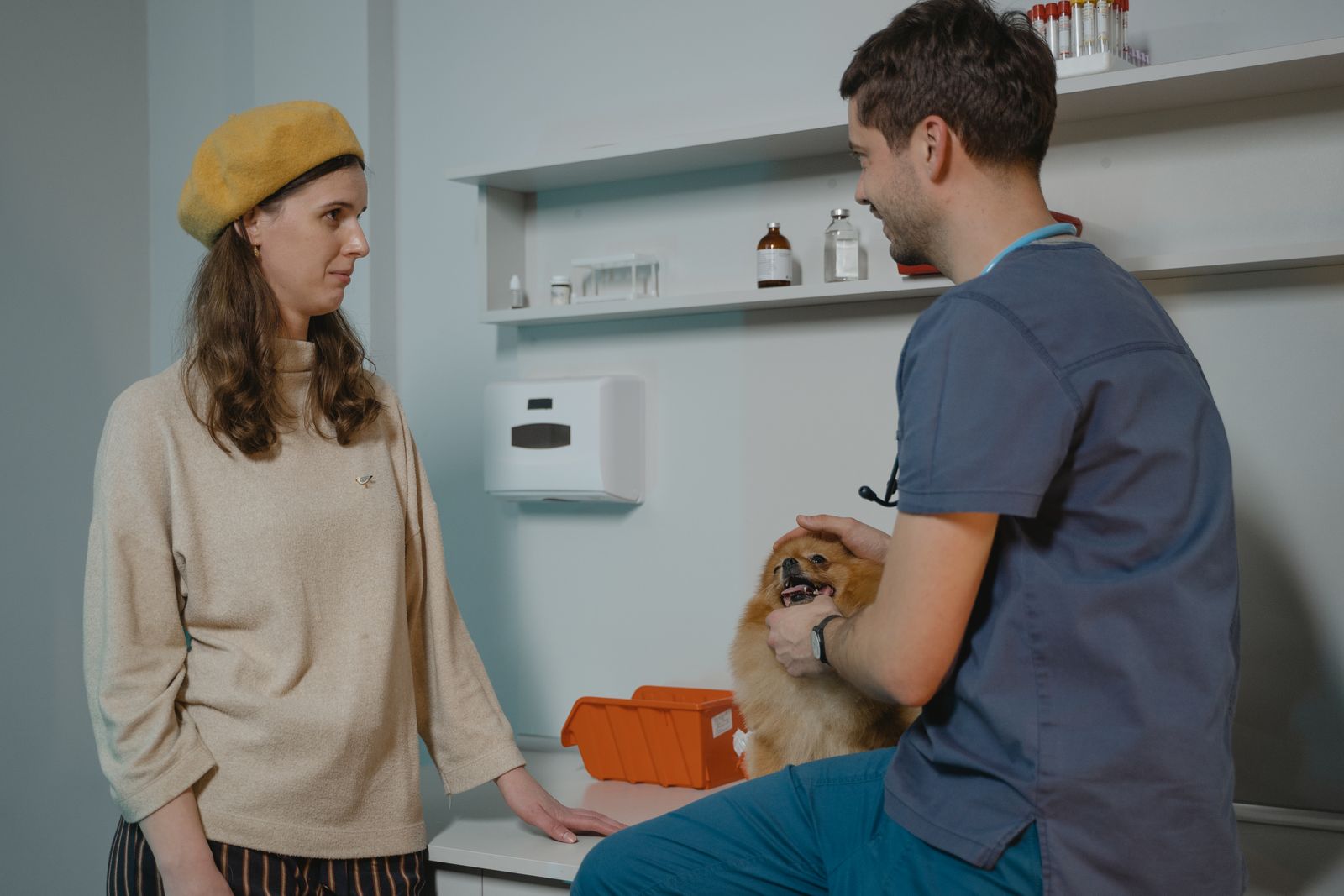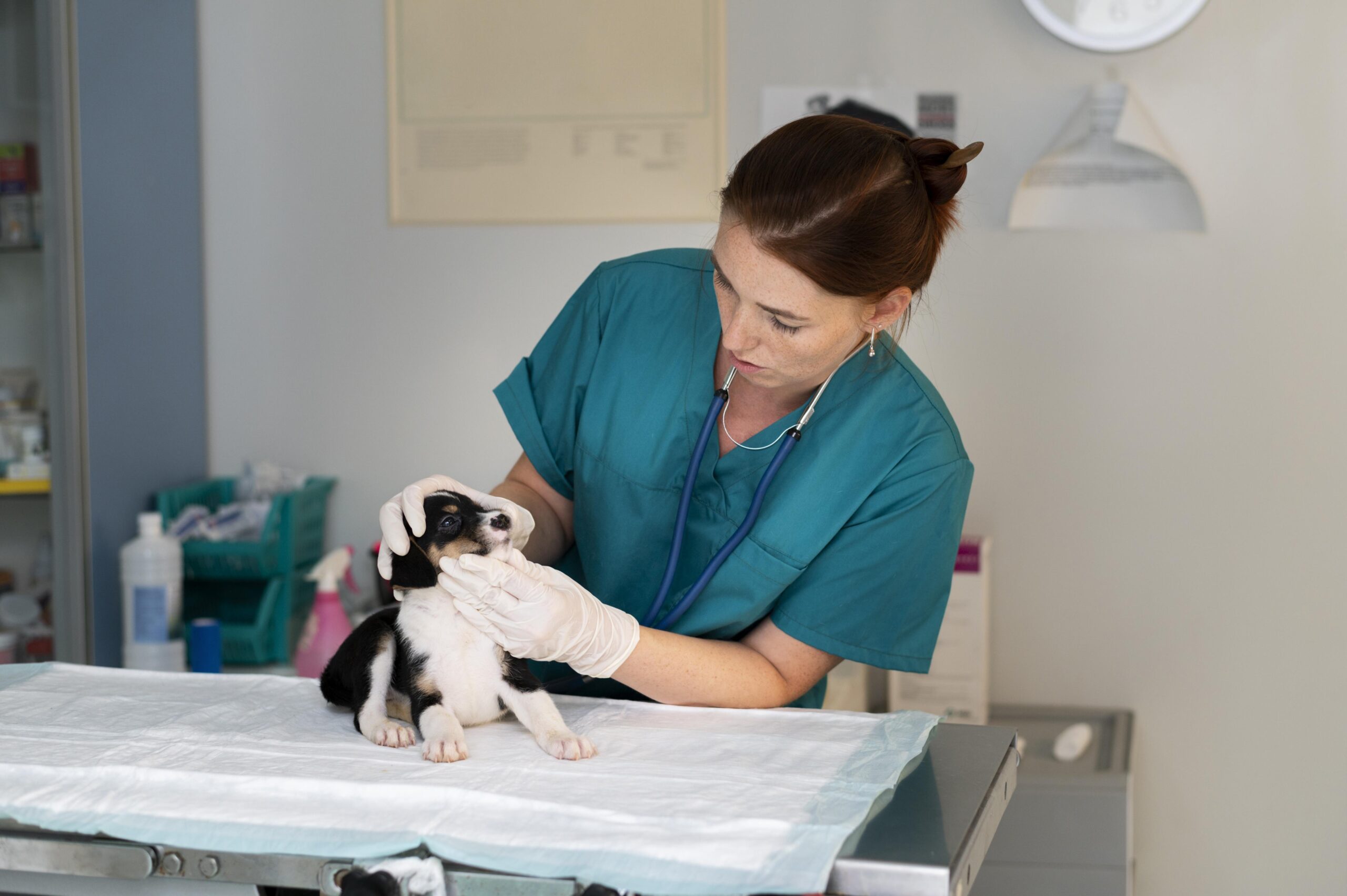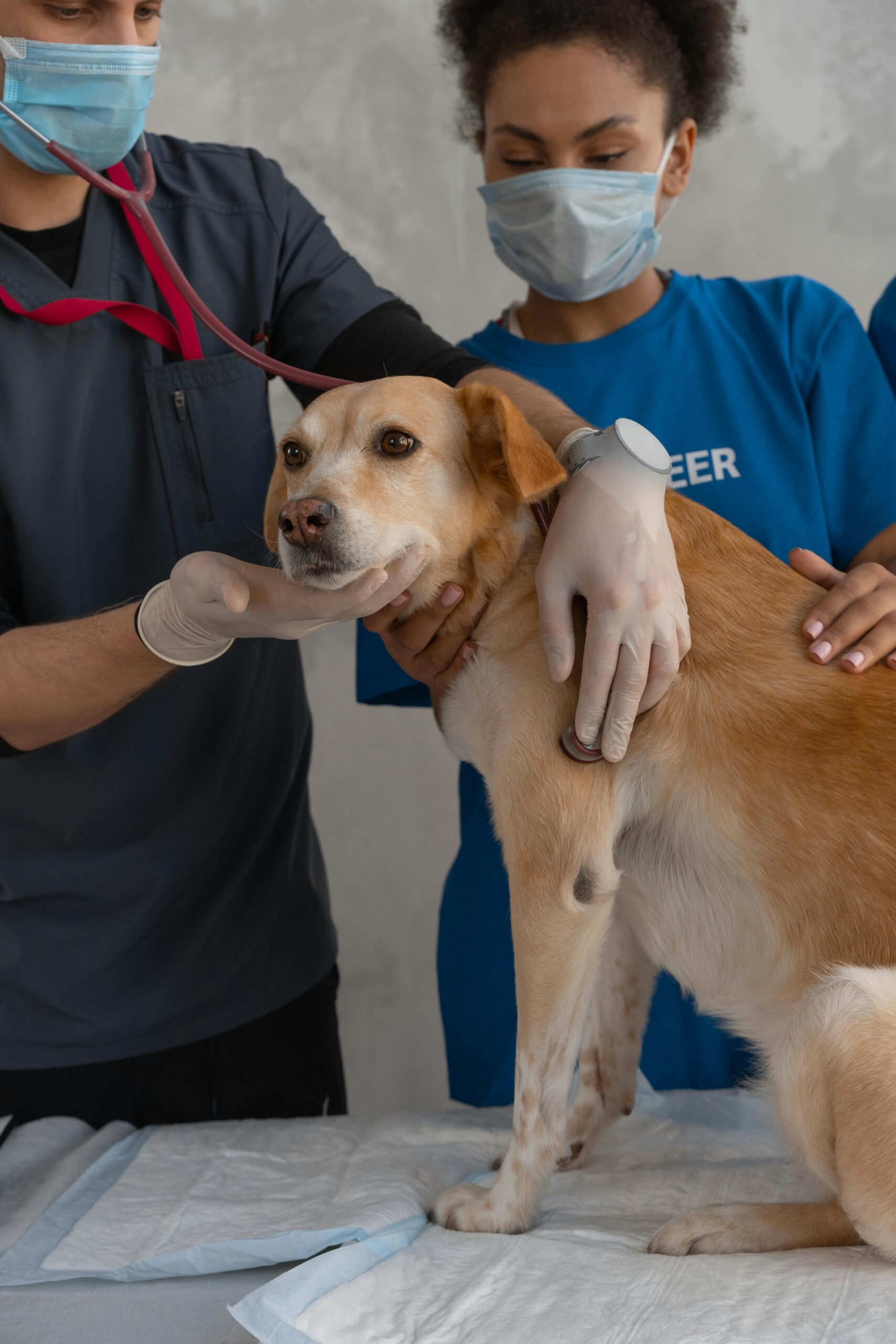
With the rise of H5N1 avian influenza outbreaks worldwide, the importance of effective vaccination strategies in veterinary medicine cannot be overstated. New developments in the H5N1 vaccine show promising efficacy in both mice and dairy calves. This advancement brings a crucial opportunity for veterinary clinics to enhance their disease control measures and ensure better patient outcomes.
Understanding the H5N1 Avian Influenza Challenge
H5N1 is a highly pathogenic strain of avian influenza that can devastate poultry populations and pose significant risks to animal and human health. Its emergence has raised alarms among veterinarians, particularly those in mixed animal practice or involved in food animal care. Each new outbreak necessitates a swift and effective response, making vaccination a vital component of disease management.
For associate veterinarians and general practice veterinarians, understanding the implications of the H5N1 vaccine is crucial. They must be equipped to educate pet owners and farmers about the benefits of vaccination as a preventive measure against outbreaks.
Implications for Veterinary Practices
The development of an effective H5N1 vaccine can change the landscape of veterinary medicine significantly. Emergency and critical care veterinarians, who often handle cases of severe illness related to avian viruses, stand to benefit from preventative strategies. With proper vaccination protocols, the number of emergency cases could decline, ultimately leading to improved operational efficiency within veterinary clinics.
Moreover, mixed animal veterinarians frequently face the challenges of managing both food animals and companion animals. The availability of a reliable vaccine allows them to implement comprehensive health programs that safeguard the livestock while ensuring animal welfare. Consequently, the implications of vaccine efficacy extend beyond the individual patient, affecting the entire community.
Staying Current with Industry Trends
The veterinary industry is continuously evolving, particularly in vaccine research and developments. It is essential for veterinary clinics to remain informed about new discoveries, like the promising results of the H5N1 vaccine trials. Additionally, continuing education and training play a crucial role in enabling veterinarians to utilize new strategies effectively. This knowledge empowers all levels of practice—from general practitioners to specialists, such as board-certified veterinary internal medicine specialists.
Actionable Insights for Veterinary Clinics
- Assess the benefits of integrating the new H5N1 vaccine into your practice’s offerings.
- Develop educational materials for pet owners and farmers regarding vaccine efficacy.
- Engage in training sessions focused on the implementation of effective vaccination programs.
- Collaborate with local agricultural departments to establish comprehensive disease prevention strategies.
- Monitor and analyze patient outcomes post-vaccination to ensure ongoing efficacy.
Conclusion
The emergence of an effective H5N1 vaccine brings a wave of optimism for veterinary clinics across the globe. Addressing avian influenza through vaccination not only fosters better health outcomes for animals but also aligns with operational goals that support efficient practice management. As veterinarians navigate these changes, staying informed and adaptable will be key.
At Pulivarthi Group, we understand the challenges veterinary clinics face as they implement new medical advancements. We help connect veterinary practices with hard-to-find talent across various roles, including urgent care veterinarians, mixed animal veterinarians, and veterinary internal medicine specialists. By partnering with us, you can ensure your clinic is prepared to tackle contemporary veterinary challenges while focusing on exceptional patient care.