Vaccine hesitancy poses a significant challenge in veterinary clinics. Many pet owners express uncertainty regarding vaccine recommendations. This hesitancy can stem from various concerns, including misinformation, perceived risks, and lack of understanding about the benefits of vaccinations. Addressing this issue is crucial for the health of pets and the operational success of veterinary practices.
Understanding the Reasons Behind Vaccine Hesitancy
Many pet owners hesitate to follow vaccine recommendations due to a variety of reasons. What are these reasons? First, misinformation spreads rapidly through social media and unverified internet sources. Pet owners may research on their own and come across misleading information regarding vaccine safety.
In addition, personal beliefs about medicine can influence vaccination decisions. Owners may question the necessity of vaccines, especially if they have limited knowledge about their benefits. Furthermore, bad previous experiences with vaccinations can create a reluctance to vaccinate again.
The Role of Veterinary Professionals in Mitigating Hesitancy
Veterinary professionals play a vital role in addressing vaccine hesitancy. How can they effectively communicate the importance of vaccines? Firstly, they should engage in open, honest discussions with pet owners. Providing evidence-based information can help alleviate concerns. For example, sharing statistics on vaccine efficacy and success stories can reinforce the importance of vaccination.
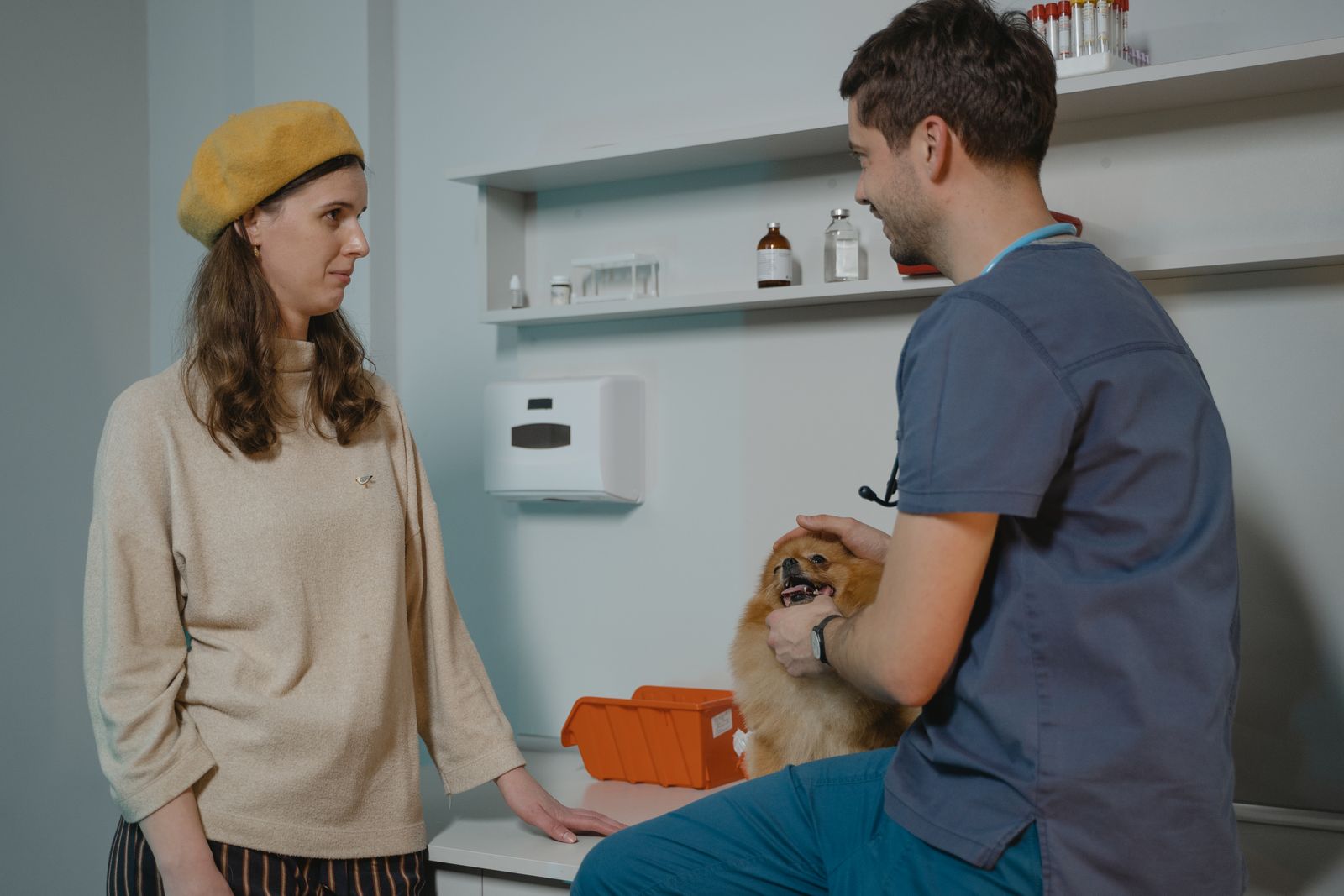
Secondly, veterinarians should take the time to listen to client concerns. This active listening builds trust and demonstrates that the veterinarian genuinely cares about the pet’s well-being. By addressing misconceptions directly, they can help dispel fears.
Operational Strategies for Veterinary Clinics
Veterinary clinics can implement several operational strategies to tackle vaccine hesitancy. Training clinical staff on effective communication techniques can enhance client interactions. This training can focus on empathy, factual information delivery, and methods for identifying and addressing client fears.
Furthermore, utilizing appointment reminders and educational materials can aid in vaccine compliance. Clinics might consider providing handouts that clearly explain vaccine schedules and benefits. Offering consults specifically aimed at discussing vaccines could also help those who remain skeptical.
Current Trends in Veterinary Vaccination Practices
As the veterinary industry evolves, staying attuned to current trends is essential. Many practices are beginning to adopt a more individualized approach to vaccinations, especially in conjunction with advancements in veterinary medicine. What does this mean for practitioners? Tailoring vaccine recommendations to the unique health conditions of pets can enhance trust and compliance.
Additionally, with the rise of telemedicine in veterinary care, clinicians have an opportunity to address vaccine hesitancy remotely. Virtual consultations can serve as effective platforms for educating clients about vaccines, thereby enhancing their willingness to follow recommendations.
Conclusion
In summary, understanding and addressing vaccine hesitancy is critical for the health of pets and the success of veterinary clinics. By employing effective communication strategies and staying abreast of industry trends, veterinary professionals can enhance client trust and compliance. At Pulivarthi Group, we recognize the unique demands of the veterinary industry. We are dedicated to helping clinics access specialized talent across various roles, including Associate Veterinarian, General Practice Veterinarian, Urgent Care Veterinarian, and many others. Together, we can improve patient care in a supportive environment focused on the health of our furry companions.