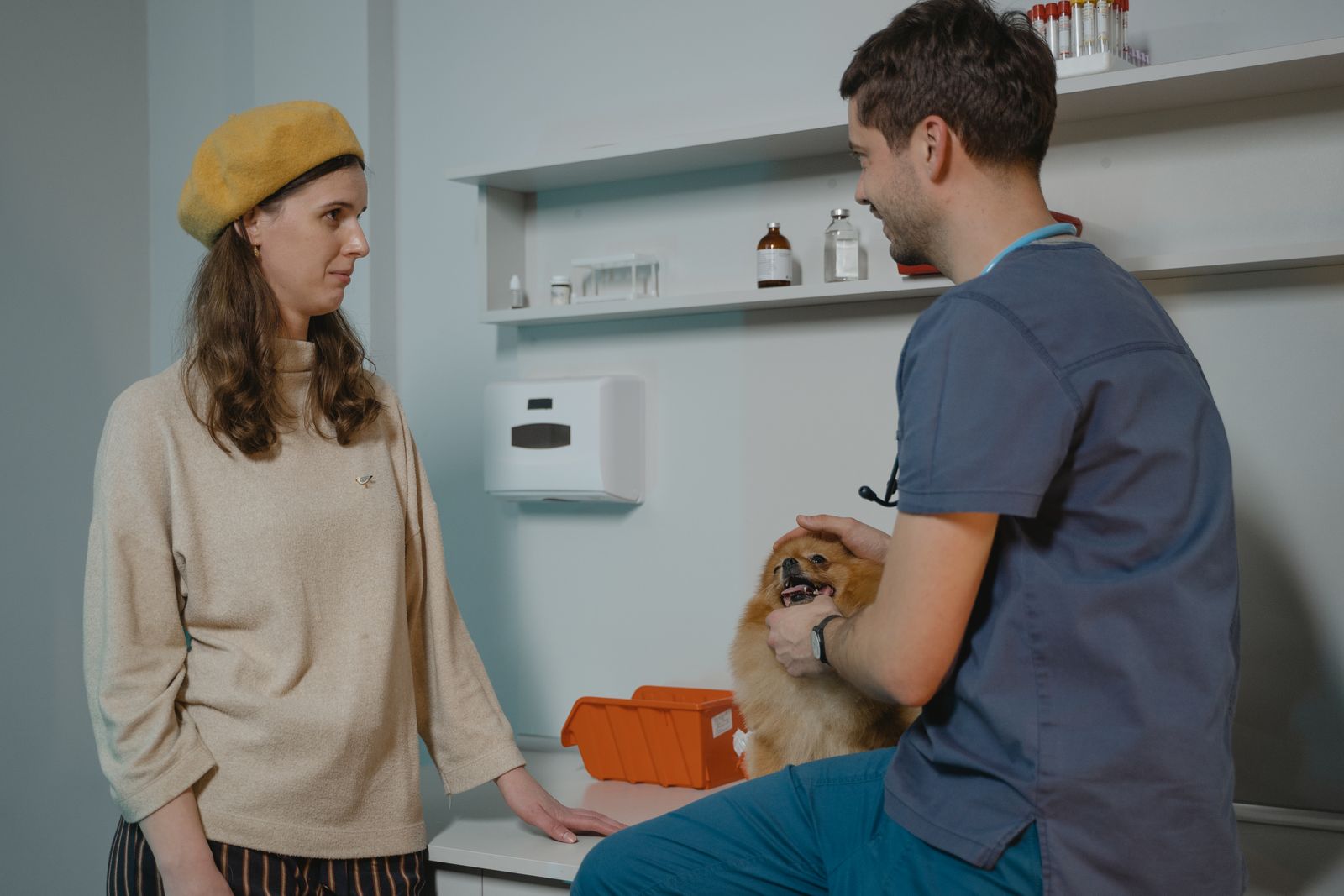
The FDA has recently approved a new drug designed to treat noise aversion and separation anxiety in dogs. This significant development offers a new option for veterinary clinics addressing common behavioral issues in their canine patients. As both pet owners and clinical teams seek effective solutions, understanding this new medication’s implications becomes vital.
Understanding Noise Aversion and Separation Anxiety
Many dogs experience fear related to loud noises such as thunderstorms or fireworks. Separation anxiety occurs when dogs struggle with being left alone. These behavioral issues can lead to distressing actions such as excessive barking, destructive behavior, or even self-harm. Therefore, addressing these issues effectively is crucial not only for the pet’s well-being but also for maintaining the harmony of the household.
Implications of the FDA Approval
The FDA’s recent approval of a drug specifically aimed at addressing dog anxiety marks an important milestone in veterinary medicine. For general practice veterinarians, this drug offers a new tool in their kit for managing behavioral conditions. The approval indicates a growing recognition of mental health in pets, similar to advancements in human medicine.
Veterinarians treating emergency cases or urgent care settings may also benefit. Many urgent care veterinarians encounter pets suffering severe anxiety during intense events, such as fireworks or storms. This medication could provide immediate relief and improve outcomes, thereby reducing the need for more invasive interventions or hospitalization.
Practical Considerations for Veterinary Clinics
When integrating this new treatment into practice, veterinary clinics must consider various factors:
- Client Education: Educating pet owners about the new drug’s efficacy and safety profile is essential. This knowledge empowers owners to make informed decisions.
- Monitoring and Assessment: Effective implementation involves closely monitoring patients’ responses to the medication. Adjusting dosages may be necessary based on individual needs.
- Behavioral Training: In addition to medication, behavioral training may enhance treatment outcomes for pets suffering from anxiety disorders.
- Client Follow-up: Establishing follow-up appointments ensures that veterinarians can assess the treatment’s effectiveness over time and make necessary adjustments.
Industry Trends Supporting New Treatments
The approval of this drug aligns with a broader trend toward recognizing and treating mental health issues in pets. Practices that adopt a comprehensive approach to pet care—including behavioral health—may find increased client loyalty and improved patient outcomes.
Moreover, as veterinary clinics increasingly prioritize mental health, specialty roles such as Veterinary Internal Medicine Specialists will play an essential role. Their expertise may be required for complex cases where behavioral issues intertwine with medical concerns.
Conclusion
The FDA’s approval of a new treatment for noise aversion and separation anxiety represents a significant advancement in veterinary care. By incorporating this therapy into their practice, veterinary clinics can not only enhance patient care but also address the emotional and psychological needs of their animal patients. As the veterinary field continues to evolve, it will be crucial for clinics to strive for financing and securing the right talent.
At Pulivarthi Group, we understand the challenges veterinary clinics face in accessing specialized talent. Our services connect you with hard-to-find professionals across various roles, ensuring you have the right team to meet your patients’ comprehensive health needs. Together, we can build a better future for veterinary medicine.