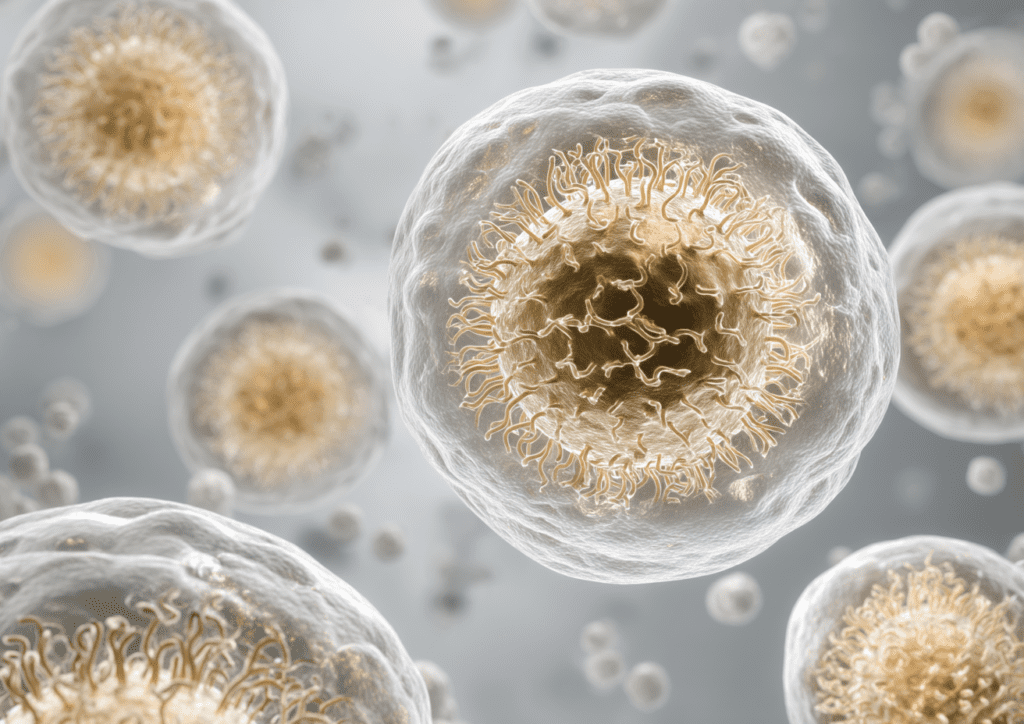
The veterinary microbiome plays a crucial role in pet health and wellness. Understanding the complexities of pet microbiomes can significantly impact clinical practices within veterinary clinics. As our knowledge of the microbiome improves, it leads to more targeted treatments and enhanced patient care. For veterinarians and clinical staff, this evolving area of study presents both opportunities and challenges.
Understanding the Microbiome’s Impact
The pet microbiome includes trillions of microorganisms inhabiting the gut. These microbes are essential for digestion, nutrient absorption, and immune function. For example, a balanced microbiome contributes to healthy gut function and can prevent gastrointestinal diseases that many pets face today. A disruption in the microbiome, however, can lead to serious health issues such as obesity, allergies, and inflammatory bowel disease.
For veterinarians, recognizing the signs of microbiome dysbiosis is key to improving treatment outcomes. This condition can manifest as digestive disturbances, skin problems, or recurring infections. Thus, assessing and managing microbiome health should be part of standard clinical practice.
Challenges in Microbiome Management
Veterinarians often face treatment challenges related to microbiome management. Identifying the right probiotics or dietary adjustments requires a strong understanding of microbiome diversity. Many clinics may not have the resources or knowledge to conduct thorough microbiome assessments. Therefore, investing in training and tools for clinical staff can enhance treatment efficacy.
- What microbiome management strategies can you adopt in your practice?
- How can dietary modifications assist in supporting pet gut health?
- Who are the key players in the microbiome research space, and what can we learn from them?
Additionally, the integration of microbiome-focused treatments interrupts traditional approaches. For instance, a shift towards utilizing targeted probiotics requires change management strategies within the clinic. All roles, from Associate Veterinarians to Emergency Veterinarians, must stay informed on the latest research to apply beneficial interventions.
Adapting to Industry Trends
The veterinary industry is responding to these insights with ongoing developments. For example, there’s a rising trend in specialty practices focusing on internal medicine, which often emphasizes microbiome evaluation. Training programs can enhance staff competencies, enabling them to address these emerging health considerations effectively.
Mixed Animal Veterinarians and Food Animal Veterinarians might need tailored approaches for managing the microbiomes of larger livestock species. Here, understanding the microbiome can contribute to improving herds’ overall health and production efficiency.
Enhancing Patient Care through Microbiome Knowledge
Implementing microbiome knowledge into your practice can result in more personalized patient care. Consideration of a pet’s microbiome can influence diagnosis and treatment strategies. For example, the choice of antibiotics can be refined to minimize disruption to the established microbiome balance.
Veterinary Internal Medicine Specialists can further leverage microbiome tests to optimize treatment plans, particularly in complex cases. Meanwhile, Shelter Veterinarians and Community Medicine Veterinarians can incorporate microbiome knowledge to manage the health of multiple animals in a cost-effective manner.
Conclusion
As we navigate the evolving landscape of veterinary medicine, understanding the pet microbiome is more important than ever. Embracing research and education surrounding microbiome health leads to improved patient outcomes and operational efficiency. The Pulivarthi Group stands ready to support veterinary clinics in accessing expertise, ensuring you have the necessary talent in all roles, from General Practice Veterinarians to Board-Certified Veterinary Internal Medicine Specialists. Together, we can enhance the delivery of veterinary care, paving the way for healthier pets.