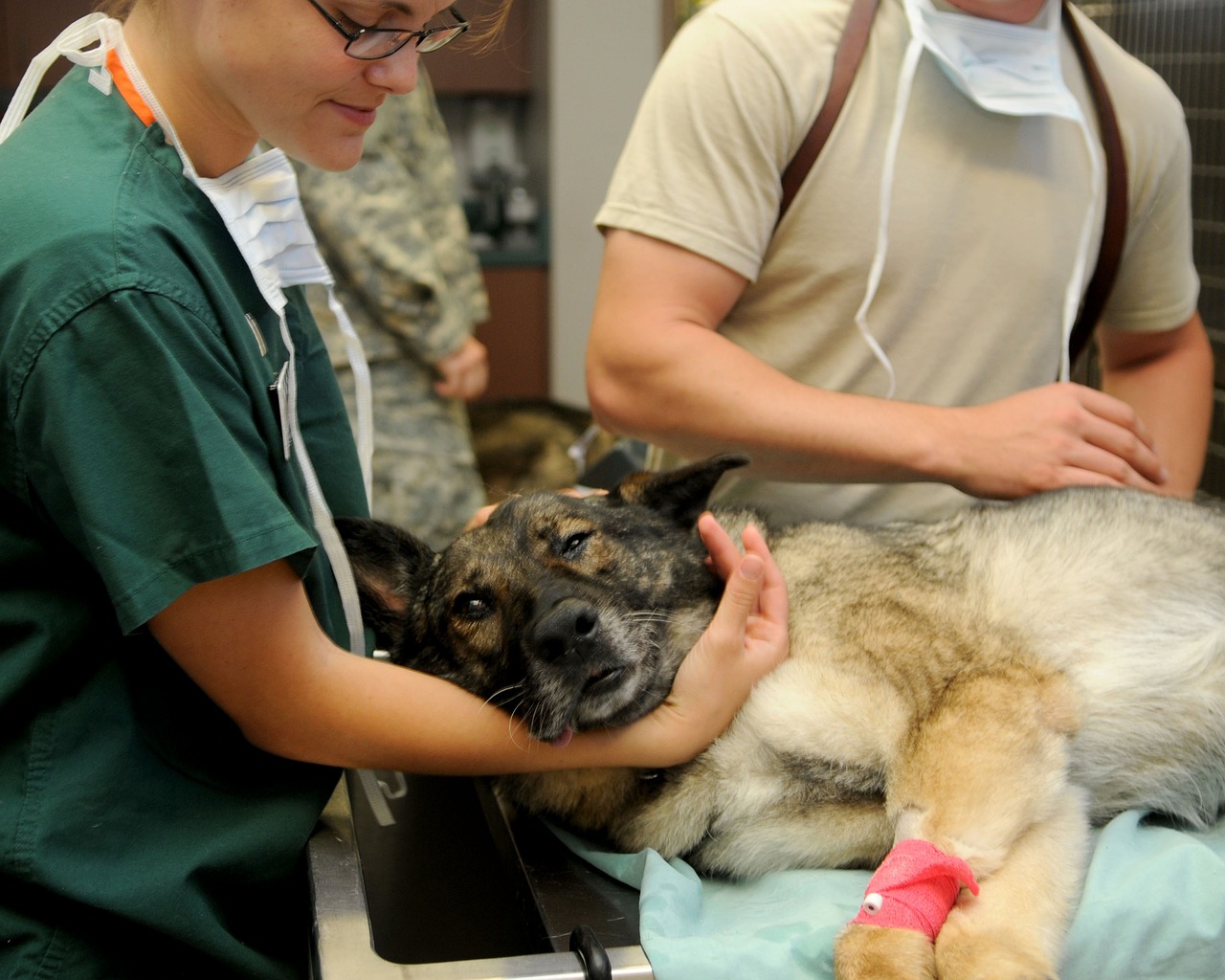
Companion animal euthanasia is one of the most challenging and emotionally charged aspects of veterinary practice. For veterinarians and clinical staff, navigating the ethical complexities surrounding euthanasia requires sensitivity and professionalism. This post explores the best practices in euthanasia procedures, addressing the ethical dilemmas and emotional impacts that veterinary teams face.
Understanding the Ethical Landscape
Euthanasia presents a profound ethical dilemma. Veterinarians often confront situations where the quality of life for an animal diminishes significantly. This leads to difficult decisions. The American Veterinary Medical Association outlines ethical principles that prioritize animal welfare. However, the practical applications of these principles can lead to differing opinions among clinical staff. As they navigate these challenging choices, the ethical considerations in euthanasia decisions become increasingly complex. Factors such as the animal’s pain level, prognosis, and owner preferences must all be meticulously weighed. Ultimately, these decisions should reflect a compassionate approach that honors both the animal’s suffering and the bond shared with their human companions.
It’s vital to understand the reasons for euthanasia, which may include severe illness, injury, or behavioral issues. Each case requires a thoughtful assessment. The anxiety that accompanies these decisions affects not just pet owners but also the veterinarians involved. Therefore, understanding the emotional and psychological aspects is crucial for effective patient care.
Best Practices in Euthanasia Procedures
Implementing a compassionate euthanasia process can greatly impact both the animal and its family. Here are some best practices:
- Establish clear communication with the pet owner about the procedure.
- Provide emotional support before, during, and after the euthanasia process.
- Utilize sedation techniques to minimize distress for the animal.
- Ensure a quiet, private environment to facilitate a peaceful experience.
Furthermore, training staff on handling emotional stress and providing support to grieving pet owners is beneficial. This fosters trust and promotes a compassionate atmosphere in the clinic. In addition, practicing ethical euthanasia helps maintain professional integrity and fosters a positive reputation for the clinic.
Addressing Emotional Impact and Team Support
The emotional toll of euthanasia affects all veterinary staff, not just the veterinarians. In urgent care or emergency settings, these decisions can occur under significant pressure. Thus, providing a supportive work environment is essential. Regular team discussions about experiences and feelings can enhance emotional resilience and understanding among associates.
In particular settings, such as shelter or community medicine, the frequency of euthanasia may compound emotional stress. Essential strategies include counseling services and stress management programs. Such initiatives can support the mental health of veterinary professionals, allowing better focus on patient care.
Training and Continuing Education in Veterinary Ethics
To improve understanding of ethical practices in veterinary medicine, clinics must prioritize training. Workshops on veterinary ethics can cover specific topics such as deciding when euthanasia is appropriate. Incorporating these discussions into regular staff meetings can facilitate continuous learning.
Furthermore, considering certifications in veterinary ethics may be beneficial. These qualifications enhance the competencies of associate veterinarians and make them more effective in ethical discussions with pet owners. As ethics evolve, ongoing education is crucial in adapting best practices.
Understanding Industry Trends and Future Directions
The landscape of veterinary medicine is changing rapidly. As society becomes more aware of animal welfare, clinics must adapt to new ethical standards. The integration of technology, including telemedicine, facilitates communication and can help owners make informed decisions regarding euthanasia. This collaborative approach allows veterinarians to provide support even at a distance.
Moreover, future trends may lead to new protocols regarding companion animal end-of-life care. Investing in research about ethical euthanasia can inform best practices and shape policy decisions within the industry.
Conclusion
Navigating the emotional and ethical complexities surrounding companion animal euthanasia is a critical aspect of veterinary practice. Understanding best practices, providing emotional support, and engaging in continuous education are essential strategies for veterinary clinics. As the veterinary field evolves, staying informed about ethical practices can guide decision-making and enhance the quality of care offered to both animals and their owners.
At Pulivarthi Group, we recognize the importance of having skilled professionals to support your clinic’s needs. Our staffing solutions can help you find qualified associate veterinarians, emergency veterinarians, and board-certified specialists, all crucial for providing exceptional patient care. We are here to support your practice with the right talent at the right time, ensuring that your team can focus on what matters most: the welfare of the animals in your care.