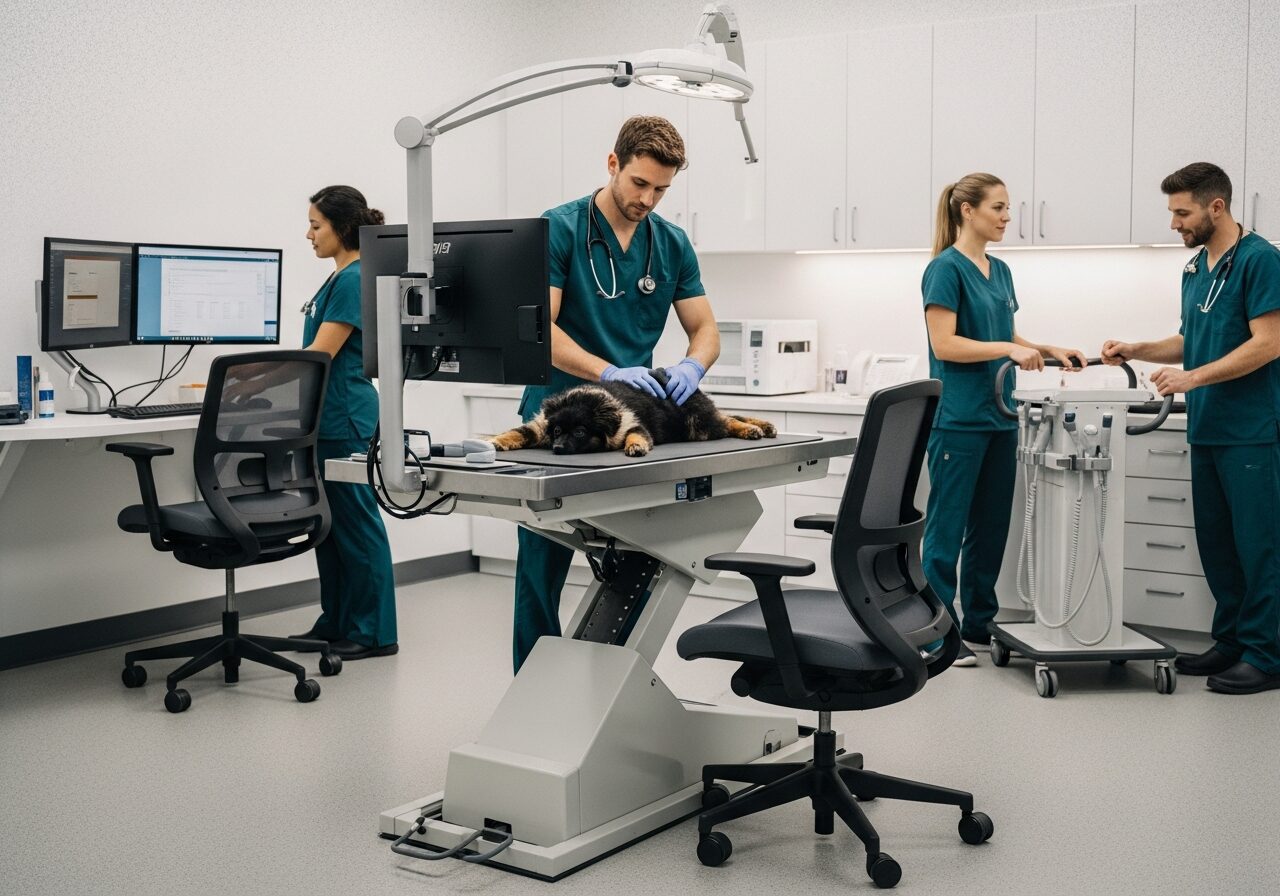
The pet ownership landscape is continually evolving, driven by changing demographics and societal trends. The 2025 AVMA Pet Ownership and Demographics Survey provides valuable insights into current pet ownership trends. This information is crucial for veterinary clinics aiming to enhance their service offerings and improve patient care.
Understanding Demographic Shifts in Pet Ownership
As veterinary professionals, it is vital to grasp the details behind the demographics of pet ownership. According to the 2025 AVMA survey, a significant increase in pet ownership is observed among younger generations, particularly millennials and Gen Z. These age groups prioritize pet care and tend to invest more in their pets’ well-being.
For example, millennials are more likely to consider their pets as family members, often seeking comprehensive healthcare solutions. Therefore, veterinary clinics must tailor their services to meet these evolving expectations. This includes offering flexible payment options, telemedicine consultations, and wellness plans that appeal to younger pet owners.
Market Trends Affecting Veterinary Clinics
Current trends show an increase in pet ownership across diverse demographics, impacting various veterinary roles. For instance, general practice veterinarians are experiencing a rise in routine check-ups and preventive care services. In contrast, urgent care veterinarians may face increased demand for after-hours services as pet owners prioritize convenience.
- Telehealth Services: Many clinics are adopting telehealth, providing easier access for pet owners.
- Multispecies Care: Mixed animal veterinarians are seeing changes in pet ownership dynamics, necessitating a broader range of services.
- Emergency Services: Emergency veterinarians must prepare for fluctuations in case volume during holidays or weekends.
Implications for Veterinary Practices
Veterinary practice owners should assess how demographic shifts affect their business models. The demand for immediate pet care reflects a need for more urgent care facilities to cater to pet owners’ expectations. Similarly, critical care veterinarians must evaluate their resource allocation to manage sudden surges in cases.
Moreover, shelter veterinarians and community medicine veterinarians face unique challenges as they address the needs of underserved populations. By understanding local market demographics, clinics can develop initiatives that support both pet welfare and business sustainability.
Preparing for Future Challenges
As the veterinary industry adapts to these trends, ensuring optimal operation efficiency remains paramount. Training veterinary staff to handle increased case loads and implementing robust management systems are essential steps. This preparation not only enhances patient care but also fosters staff satisfaction and retention.
Veterinarians specializing in internal medicine, especially board-certified specialists (DACVIM), need to focus on creating collaborative pathways with general practitioners. This collaboration ensures that complex cases receive the attention they require while alleviating pressures on emergency services.
Enhancing Patient Care through Insights
The insights from the 2025 AVMA survey are invaluable for veterinary clinics looking to improve patient care. Understanding pet ownership demographics influences how clinics engage with their community and market services. Veterinary professionals must take note of these shifts and adapt accordingly.
Conclusion
In summary, the trends revealed in the 2025 AVMA Pet Ownership and Demographics Survey highlight essential considerations for veterinary clinics. By understanding pet ownership dynamics, veterinary practices can better serve their clients and enhance operational efficiency. The challenges vary across clinical roles, with specific implications for urgent care, specialty, and shelter veterinarians.
At Pulivarthi Group, we recognize the importance of these trends and their impact on staffing needs. Our agency specializes in helping veterinary clinics find the right talent, from general practice veterinarians to board-certified veterinary internal medicine specialists. Partner with us to access skilled professionals who can elevate your practice and meet the demands of modern pet ownership.