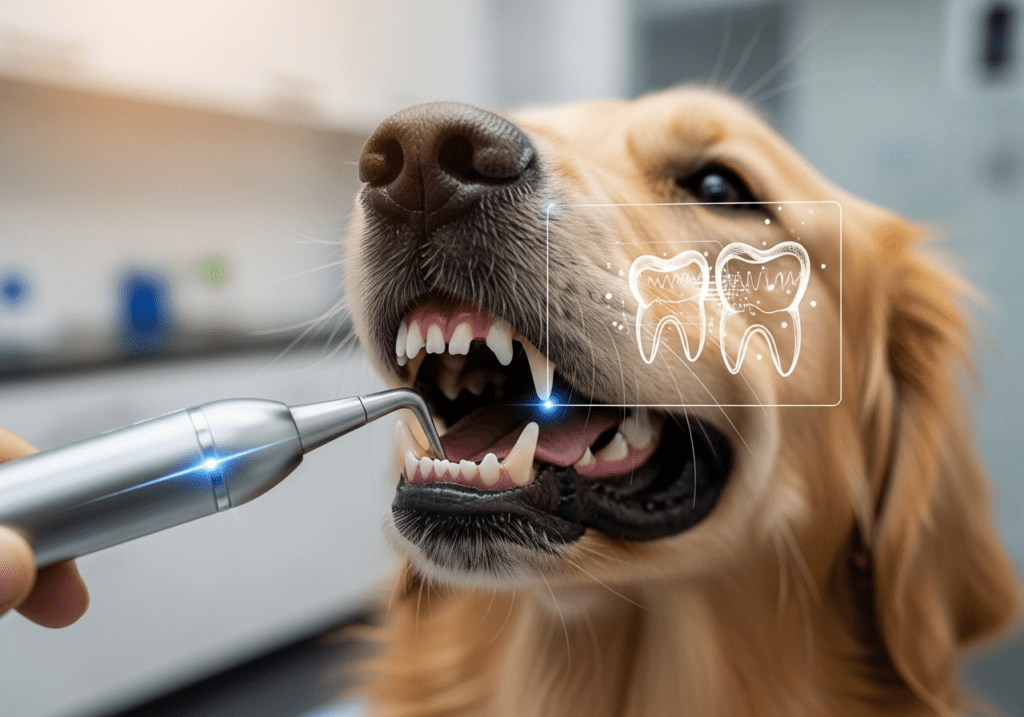
A new AI tool developed for the veterinary field offers promising solutions for early detection of dog dental disease. This innovation could significantly impact veterinary clinics, improving patient care and operational efficiency. With a focus on early diagnosis, this AI dental tool stands to revolutionize how veterinarians manage canine oral health.
Understanding the Challenges in Dog Dental Disease Detection
Veterinary clinics strive to provide the best patient care. However, early detection of dental disease in dogs remains a pressing challenge. Many conditions go unnoticed until they lead to serious health issues. General practice veterinarians often highlight that symptoms can be subtle, making it hard to identify dental disease early. Furthermore, urgent care veterinarians see cases that have progressed, resulting in higher costs and more complicated treatments.
- Common dental issues include periodontal disease and fractured teeth.
- Dogs often show few signs of pain until the disease is advanced.
- Regular check-ups are essential yet are frequently overlooked by owners.
The Role of AI in Veterinary Dentistry
Integrating an AI dental tool into clinical practice facilitates improved diagnostics. This technological innovation analyzes dental X-rays to identify abnormalities. For instance, an urgent care veterinarian can utilize this tool to assess potential dental fractures or gingivitis rapidly. Consequently, clinics can enhance their diagnostic capabilities, leading to better outcomes for patients.
Furthermore, community medicine veterinarians can benefit from AI. By helping shelters and low-cost clinics, the tool can assist in identifying dental diseases early, supporting overall canine health in under-resourced settings. Thus, AI increases the overall standard of care delivered across various practice models.
Implications for Veterinary Teams
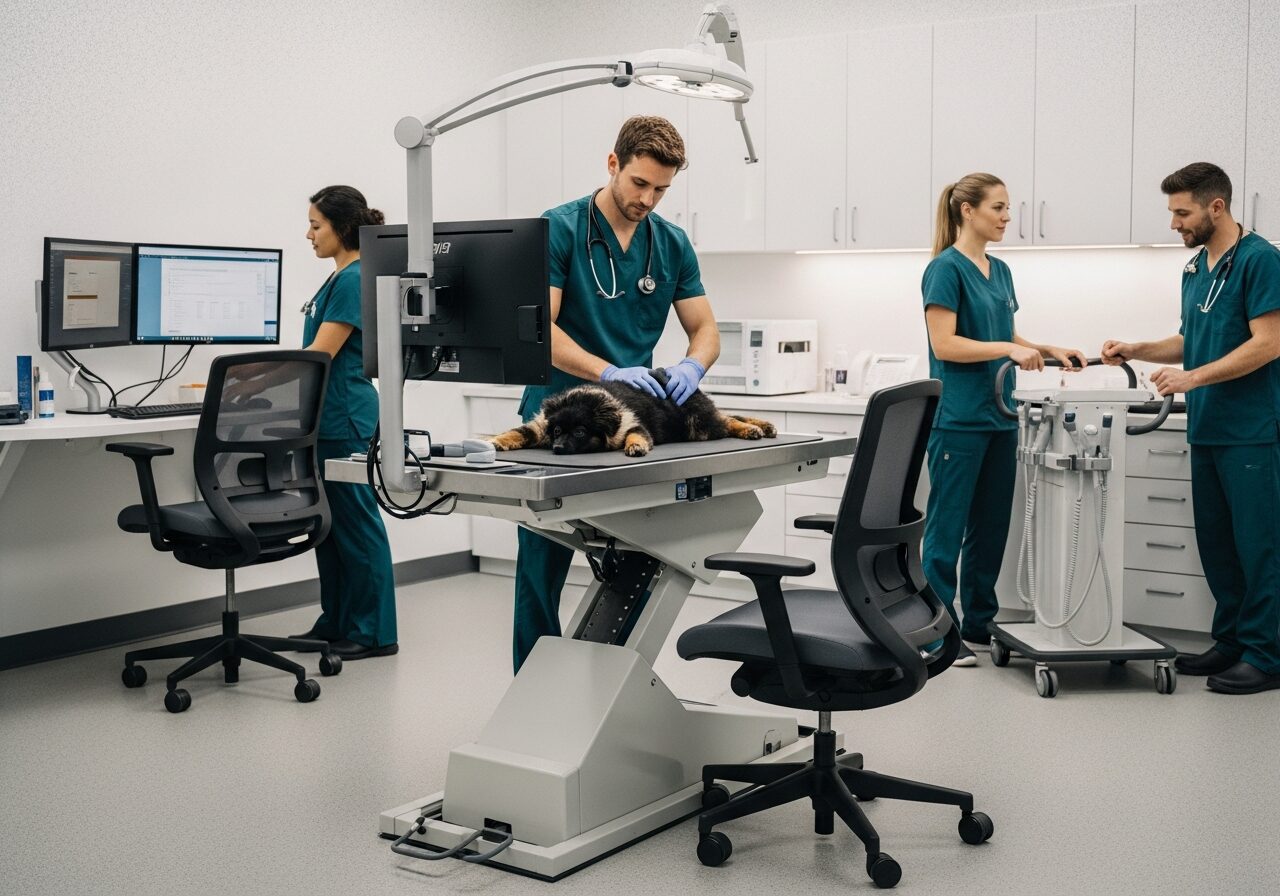
Implementing this AI tool requires coordination among all clinical staff. Training is essential so that everyone, from associate veterinarians to support staff, understands how to utilize the technology effectively. For example, critical care veterinarians can use AI not just for diagnosis but also for monitoring ongoing treatment effectiveness.
Moreover, practice owners and managers can expect to see changes in workflow. By streamlining diagnostic processes, clinics can reduce appointment times and improve patient throughput. This efficiency is especially crucial in emergency situations, where timely intervention can save lives.
- Practice owners may consider investing in staff training and technology integration.
- A comprehensive understanding of the AI tool across roles ensures effective implementation.
- Efficient workflows lead to better patient management and satisfaction.
Future Trends in Veterinary Dental Care
The veterinary industry is rapidly evolving. As more clinics adopt technology, the expectations for high-quality care will increase. Staying informed about AI advancements is essential for all practitioners, especially those working within dog dental health. This awareness helps clinics remain competitive in a changing landscape focused on technology-driven solutions.
It’s critical to understand not only the benefits of these innovations but also potential challenges. Transitioning to new technologies requires commitment from all staff members. Nevertheless, the advantages they bring to patient care and clinic efficiency are substantial.
To summarize, the integration of AI in veterinary dentistry enhances early detection of dog dental disease, promoting better health outcomes. The operational efficiency gained is invaluable in today’s competitive environment. Clinics that invest in these tools are positioned to thrive.
As veterinary clinics explore these advanced solutions, Pulivarthi Group stands ready to assist. We help practices access hard-to-find talent across various roles, including general practice veterinarians, urgent care veterinarians, and board-certified veterinary internal medicine specialists. Partner with us to build a strong team dedicated to advancing veterinary care in your clinic.