In today’s fast-evolving veterinary landscape, veterinary technology plays a critical role in enhancing patient care and operational efficiency. As challenges arise in adopting these new technologies, it becomes essential for veterinary clinics to understand their implications. Whether you’re a practice owner, veterinarian, or clinical staff member, embracing healthcare innovations can significantly improve clinical outcomes and patient satisfaction.
Understanding the Need for Technological Adoption
Veterinary professionals face unique challenges when integrating innovative technologies. Many hospitals grapple with outdated systems or lack the knowledge necessary for implementation. For instance, urgent care veterinarians often need real-time data to make swift decisions, yet their clinics may not have access to advanced diagnostic tools. This gap can lead to less effective patient management and increased stress on the clinical team.
However, the benefits of adopting modern veterinary technology far outweigh these challenges. From electronic medical records to AI-driven diagnostics, new tools can streamline operations and improve patient outcomes. Inviting change might seem daunting, but with the right approach, it can transform your practice.
Current Innovations Reshaping Veterinary Care
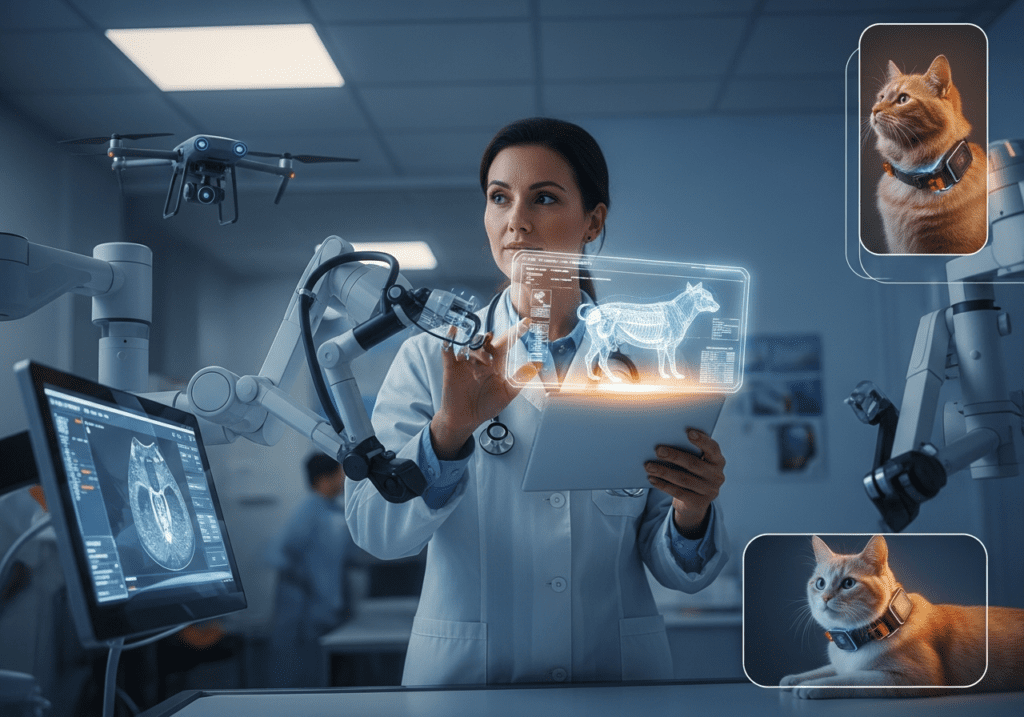
- Telemedicine: Telehealth services have expanded, allowing veterinarians to consult with patients remotely. This approach is particularly useful for shelter veterinarians and community medicine veterinarians who may have access barriers in their client population.
- Wearable Technology: Devices that track animal health metrics provide critical data for veterinarians. This data enhances long-term care plans for individual patients, especially for mixed animal and food animal veterinarians who manage diverse species.
- AI and Machine Learning: These technologies assist emergency and critical care veterinarians in making accurate diagnoses quickly. For example, analyzing x-rays with AI can significantly reduce the time to determine treatment options.
- Online Appointment Systems: Streamlining client appointments simplifies operations for the entire clinic. General practice veterinarians can benefit from the increased efficiency and reduced no-shows.
Navigating Adoption Challenges
Despite the clear benefits, many clinics encounter hurdles when adopting these technologies. Common issues include financial constraints, insufficient training, and concerns about data security. Board-certified veterinary internal medicine specialists may find that integrating new diagnostic tools enhances their capabilities but requires investment in both resources and training.
Furthermore, not all staff may be equally comfortable with technology. To address this, clinics should offer comprehensive training programs tailored to all roles, including associate veterinarians and clinical staff. Emphasizing the benefits of technology for patient care can foster a culture of acceptance and accelerate integration.
Strategies for Successful Implementation
To effectively integrate healthcare innovations, consider these strategies:
- Conduct regular training sessions for all team members, focusing on new tools and their benefits.
- Group discussions on potential concerns or technical issues can bring valuable insights.
- Start with pilot programs for specific technologies to gauge effectiveness and adjust as needed.
- Involve clinical teams in decision-making processes to gain their support and expertise.
By emphasizing collaborative approaches, veterinary clinics can alleviate many challenges associated with technology adoption. This strategy not only fosters a comfortable work environment but also enhances overall service delivery.
Long-Term Benefits of Embracing Change
Integrating new technologies ultimately leads to improved patient care and operational efficiency. For clinics focusing on urgent care or critical care, the quicker access to information allows for timely interventions. On a broader scale, community medicine veterinarians can leverage technology to reach underserved populations effectively.
As veterinary practices anticipate shifts in industry trends, being proactive in adopting healthcare innovations will be crucial. Emphasizing technological growth positions your clinic as a leader in veterinary medicine, setting a foundation for ongoing success.
Conclusion
In conclusion, embracing veterinary technology is not just a choice but a necessity in today’s clinical environment. By understanding the challenges and strategies for successful adoption, veterinary clinics can enhance patient care significantly. At Pulivarthi Group, we recognize the complexities of integrating new technologies and the importance of having skilled professionals on your team. We can assist clinics in finding specialized talent across various roles, including associate veterinarians, emergency veterinarians, and more. Partner with us to ensure your clinic is equipped with the right resources to navigate this technological landscape effectively.