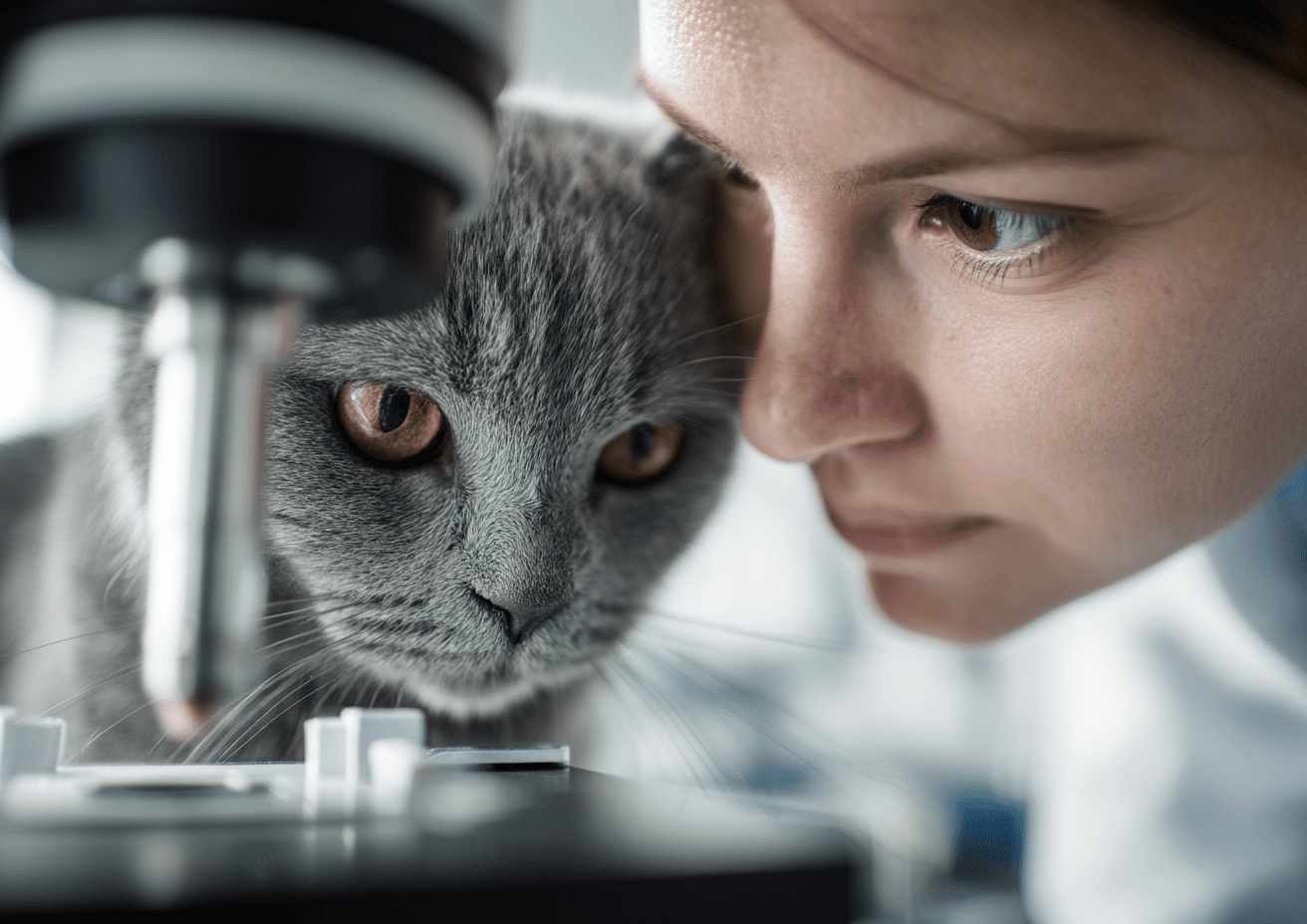
In recent years, innovations in veterinary medicine have become pivotal in enhancing animal health care practices. These advancements address critical challenges faced by veterinary clinics globally, especially related to clinical practice, operational efficiency, and patient care. As veterinary professionals continue to adapt, staying informed about these innovations is essential for improving outcomes for both patients and staff.
Emerging Technologies in Veterinary Practice
Veterinary medicine is experiencing a technological revolution. Innovations such as telemedicine, electronic health records (EHR), and diagnostic imaging advancements are transforming clinical operations. Telemedicine, for instance, allows veterinarians to provide remote consultations. This is particularly beneficial for urgent care veterinarians who may need to assess cases quickly without a physical visit.
Moreover, advancements in diagnostic technologies enable general practice veterinarians to identify conditions earlier. For example, point-of-care testing devices provide immediate results. This immediate feedback helps in making timely decisions about treatment options. Consequently, these tools not only improve patient outcomes but also enhance operational efficiency within clinics.
Advancements in Treatment Options
Innovations in treatment protocols also play a significant role in veterinary medicine. The use of regenerative medicine, such as stem cell therapies, offers new hope for addressing chronic conditions in animals. Veterinary internal medicine specialists have begun integrating these therapies into their treatment regimens. This integration enhances the quality of care for patients suffering from long-term diseases.
- Telemedicine: Increases access to care for rural clients.
- Point-of-Care Testing: Allows for quick diagnoses during consultation.
- Regenerative Medicine: Offers solutions for chronic conditions.
Furthermore, critical care veterinarians benefit from innovations like advanced monitoring systems that track vital signs in real time. These systems aid in making informed decisions on patient management during emergencies. As a result, the level of care provided improves significantly, leading to higher survival rates in critical cases.
Addressing Workforce Realities
As the veterinary landscape evolves, workforce challenges persist. Hiring shortages affect all roles, from associate veterinarians to board-certified specialists. Clinics often struggle to find qualified professionals who can keep up with the pace of innovations in veterinary medicine. Thus, understanding these workforce realities is crucial for practice owners and managers.
Veterinary clinic managers should focus on creating a supportive environment that fosters professional development. This can include regular training programs on emerging technologies. Encouraging further education for team members also enhances job satisfaction and retention rates, which are vital in maintaining a robust workforce.
- Implement training on new technologies for clinical staff.
- Foster a culture of continuous learning and innovation.
- Offer flexible schedules to attract diverse talent.
Integrating Innovations for Improved Patient Care
To effectively integrate these innovations, clinics must prioritize collaboration among all staff members. General practice veterinarians should communicate closely with specialists to ensure a seamless referral process. This collaboration is essential, especially in complex cases that require specialized input. By working together, veterinary teams can ensure consistent, high-quality care for their patients.
Moreover, keeping abreast of industry trends helps clinics anticipate changes in veterinary medicine. This proactive approach allows for systematic implementation of innovations that can enhance operational efficiency and patient care.
Conclusion
In summary, innovations in veterinary medicine significantly impact animal health care practices. From emerging technologies to improved treatment options, these advancements address the challenges of the veterinary profession. Veterinary clinics that stay informed and adapt to these changes position themselves for long-term success.
At Pulivarthi Group, we understand the complexities involved in accessing talent across all veterinary roles, including associate veterinarians, emergency veterinarians, and veterinary internal medicine specialists. We are dedicated to helping your clinic find the hard-to-find talent needed to thrive in today’s evolving veterinary landscape. Our commitment ensures your practice can focus on what truly matters: delivering exceptional care to animals.