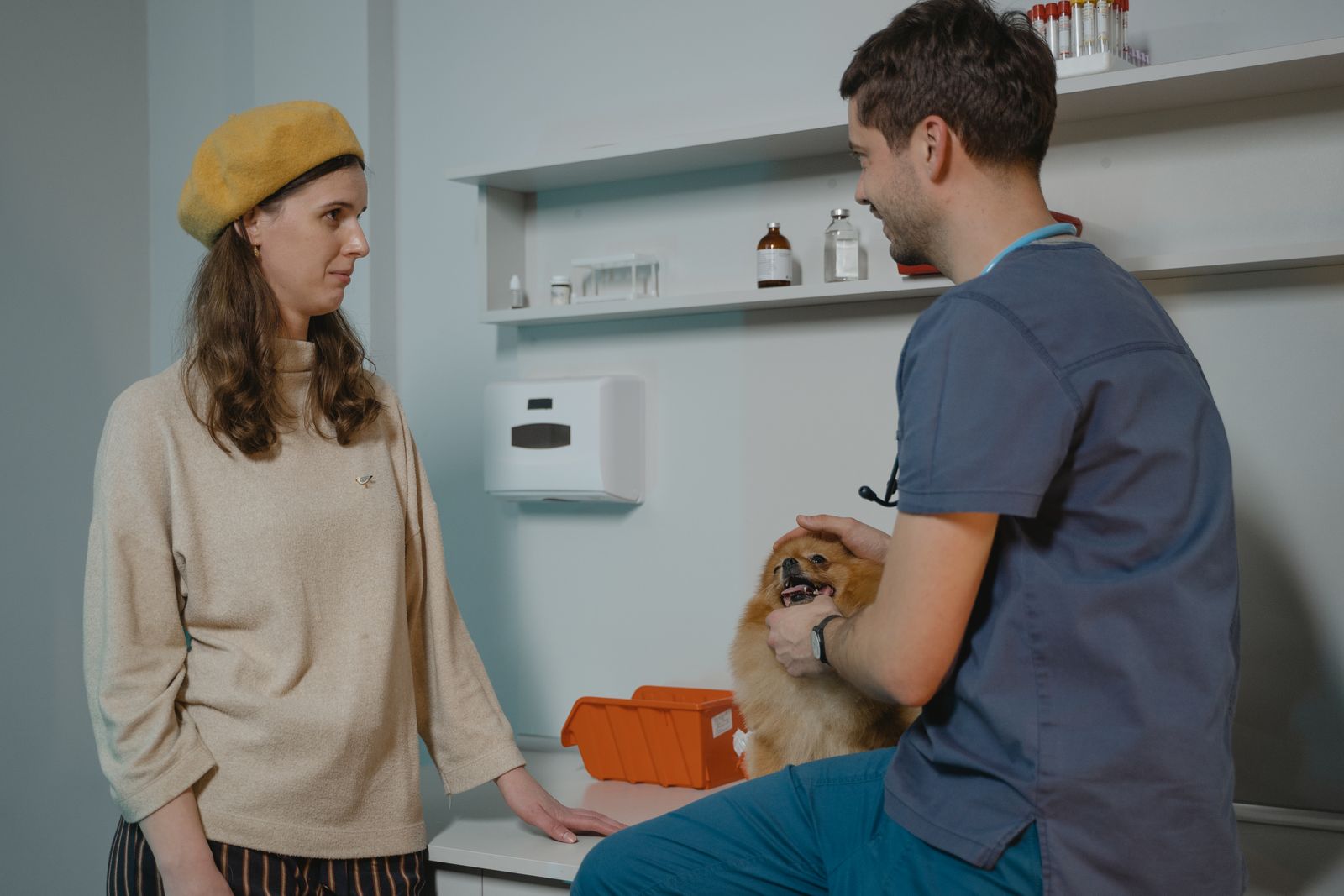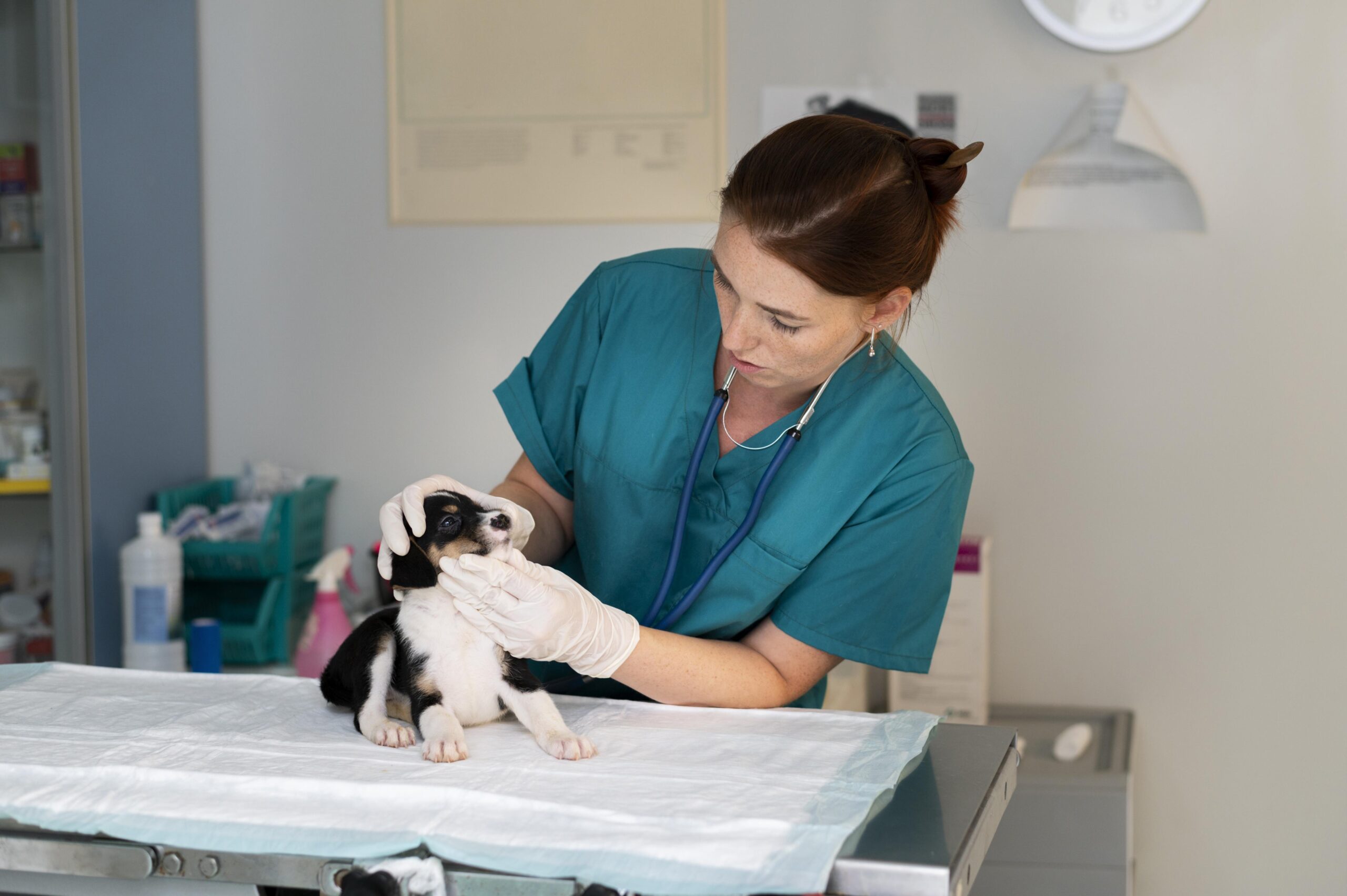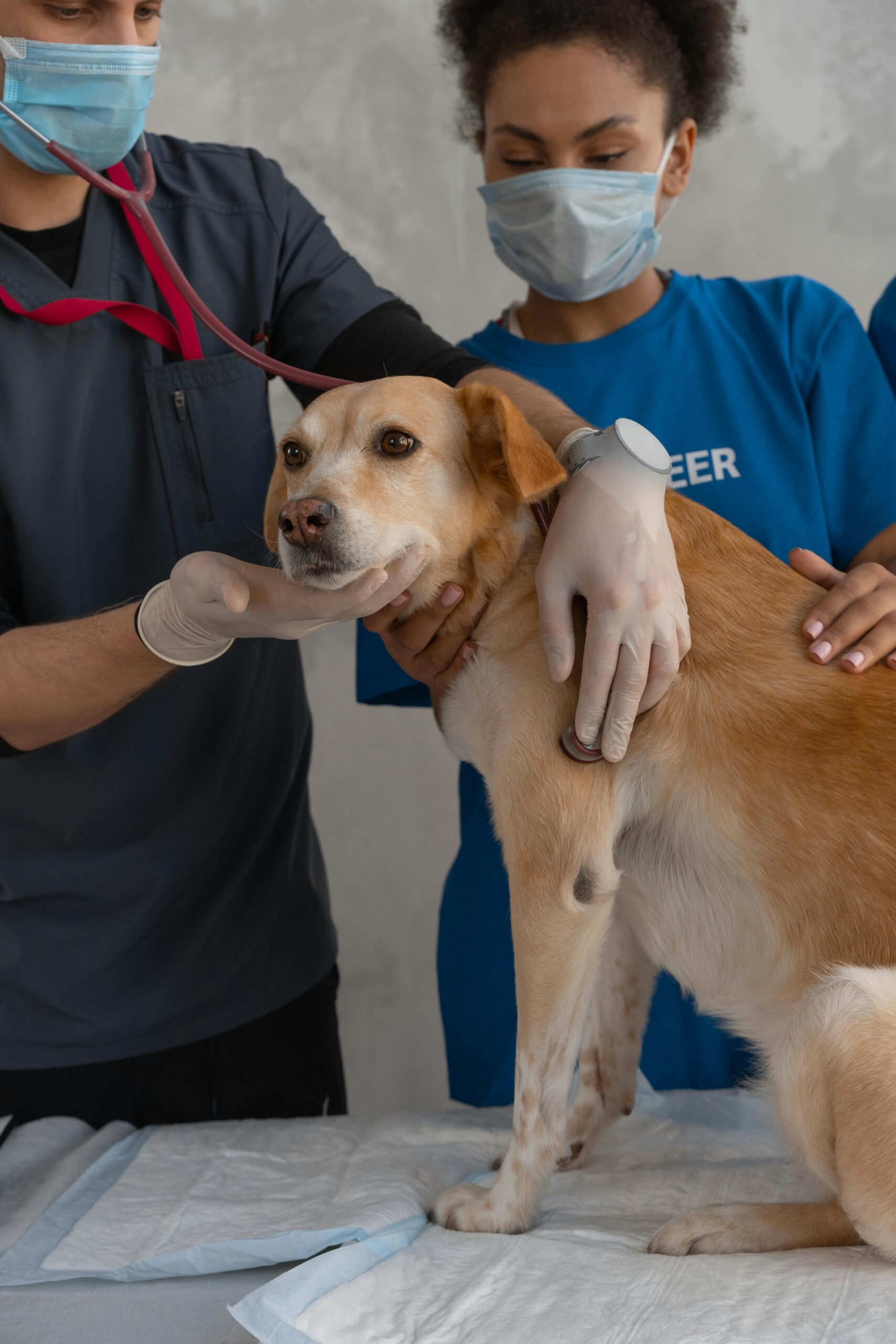
In recent years, the veterinary industry has witnessed a wave of veterinary innovations designed to enhance pet health and clinic efficiency. These changes are vital for veterinary clinics aiming to provide the best possible care for their patients while streamlining operations. Addressing key challenges such as improving pet health outcomes and clinic efficiency, these innovations serve both general practice veterinarians and specialists alike.
Emerging Technologies in Veterinary Medicine
Technological advancements play a significant role in transforming veterinary medicine. From telemedicine to advanced diagnostic tools, these innovations improve patient care. For example, telemedicine allows veterinarians to consult with pet owners remotely, addressing minor health concerns without requiring an office visit. This approach benefits general practice veterinarians and urgent care veterinarians who face high patient volumes.
- Telemedicine for virtual consultations.
- AI-driven diagnostic tools for accurate assessments.
- Wearable health monitors for real-time tracking.
Data-Driven Decisions for Clinic Efficiency
Another critical innovation involves using data analytics to enhance operational efficiency. Veterinary clinics can analyze patient data to identify trends in health issues, improving preventive care strategies. For instance, community medicine veterinarians can utilize this data to address prevalent regional health concerns, leading to better overall health outcomes.
As a result, clinics can better manage inventory, staffing, and patient care schedules. This efficiency is particularly beneficial for mixed animal and food animal veterinarians who must balance diverse patient needs.
Integrative Approaches to Patient Care
Integrative medicine practices are gaining traction, combining traditional veterinary medicine with alternative therapies. Options like acupuncture or nutritional therapy can complement chronic illness treatments, appealing to critical care veterinarians and specialists in veterinary internal medicine.
Veterinary clinics that integrate such services enhance the overall patient experience. Pet owners are often more engaged when they see a holistic approach to their pet’s health. Therefore, this can lead to improved compliance with treatment plans and better health outcomes.
Addressing Workforce Realities
The veterinary industry faces significant workforce challenges, including staffing shortages and burnout among clinicians. These issues affect various veterinary roles, from associate veterinarians to board-certified veterinary internal medicine specialists. It’s crucial for practice owners and managers to foster a supportive work environment.
Investing in staff wellness and providing access to continuing education can mitigate these challenges. Additionally, utilizing flexible staffing solutions can help clinics fill gaps during peak times, ensuring continuous care for patients.
Conclusion
As veterinary clinics evolve with these veterinary innovations, they can significantly improve pet health while enhancing operational efficiency. Recognizing the specific challenges faced by diverse veterinary roles will guide clinics in tailoring their approaches for optimal outcomes. Partnering with a dedicated staffing agency like Pulivarthi Group can also provide clinics with access to hard-to-find talent, enabling them to maintain high-quality patient care across all areas. By staying informed about industry trends and employing innovative strategies, veterinary clinics can thrive and continue to be leaders in pet healthcare.