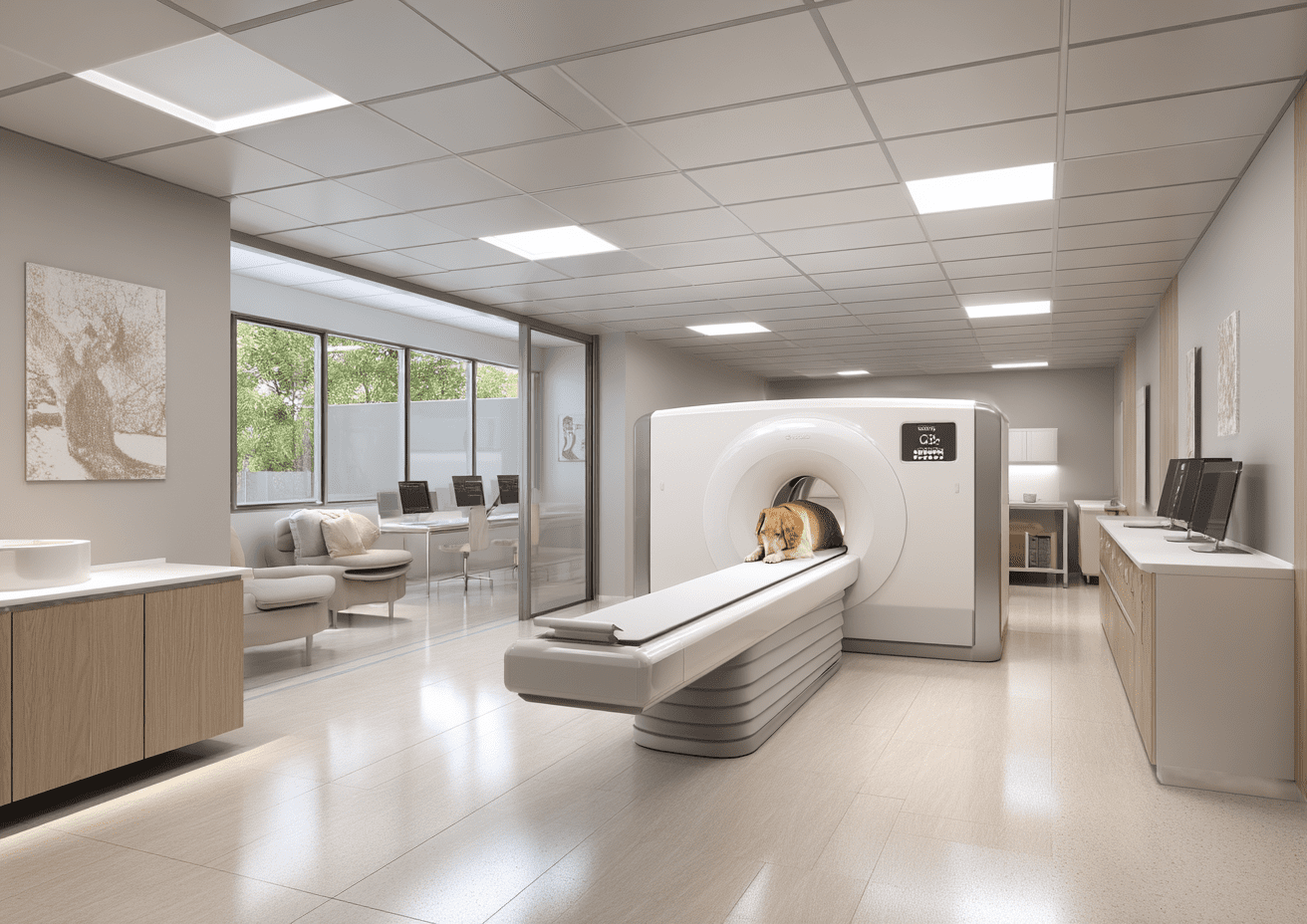
The world of veterinary medicine is evolving rapidly. Innovations in veterinary medicine are reshaping how clinics operate and deliver patient care. As veterinary clinics face increasing demands for better treatment options and efficient workflows, staying abreast of these advancements is essential. This blog explores significant developments in veterinary care, their implications for clinical practice, and what the future holds for the industry.
Recent Innovations in Veterinary Practices
One of the most notable advancements in veterinary medicine is the integration of telemedicine. Telemedicine allows veterinarians to conduct consultations remotely. This shift not only enhances access to care but also optimizes workflow within clinics. For example, general practice veterinarians can triage cases more effectively, reducing wait times and improving client satisfaction.
Additionally, treatment modalities such as regenerative medicine are becoming mainstream. Techniques like stem cell therapy and platelet-rich plasma (PRP) are now being used for various conditions, enhancing recovery times and outcomes for pets. These innovations represent a significant shift in how veterinarians approach treatment, particularly in emergency and critical care settings.
Emerging Technologies and Their Impact
The proliferation of point-of-care diagnostic tools is another advancement shaping the veterinary landscape. With devices that deliver immediate results for conditions like diabetes or kidney disease, veterinarians can make informed decisions on-the-spot. This not only enhances patient care but also improves operational efficiency by minimizing unnecessary laboratory delays.
Furthermore, artificial intelligence (AI) is playing a pivotal role in diagnostics. AI can analyze imaging scans, predicting conditions with remarkable accuracy. This benefits specialty roles like veterinary internal medicine specialists, as they can compare human medicine’s advancements and apply similar technologies in their practices.
Operational Changes in Veterinary Clinics
The shift towards value-based care is another trend impacting veterinary clinics. This approach focuses on delivering the best outcomes for patients rather than purely transactional care. Associate veterinarians and practice owners should consider frameworks that prioritize patient well-being, as this can enhance client loyalty and satisfaction.
In addition to clinical changes, workforce realities are also evolving. Practices need to adapt to staffing challenges that increasingly affect service delivery. With a shortage of qualified professionals like board-certified veterinary internal medicine specialists, clinics must explore better recruitment strategies to fill these gaps effectively. Innovative staffing solutions can help address these shortages, ensuring that practices maintain high standards of care while navigating tomorrow’s challenges.
Implementing Change within Your Practice
As veterinary professionals consider adopting new technologies and methods, it’s essential to implement change systematically. Training staff on new tools and techniques enhances their confidence and competence. Moreover, involving staff in the decision-making process increases buy-in for new initiatives.
Regularly reviewing procedures based on emerging innovations can lead to continuous improvement within your clinic. For instance, an urgent care veterinarian may need to adapt protocols frequently to accommodate the latest treatment trends. This adaptability is vital for achieving successful patient outcomes.
The Future of Veterinary Medicine
The veterinary industry is poised for further transformation through innovations and advancements. Anticipating these changes can position clinics for success. Being proactive about adopting new technologies and treatment approaches ensures that veterinary teams remain at the forefront of animal health care.
As the landscape continues to evolve, veterinary clinics must prioritize ongoing education and adaptability. Engaging with industry partners can facilitate access to emerging trends and best practices. This collaboration will enhance patient care and operational efficiency across various veterinary roles.
In conclusion, veterinary clinics must embrace the advancements in veterinary medicine to enhance patient care and operational efficiency. As your clinic navigates these changes, consider partnering with professionals who can help you access specialized talent across various veterinary roles. The Pulivarthi Group is dedicated to connecting veterinary clinics with hard-to-find talent. By working together, we can shape the future of animal health care.