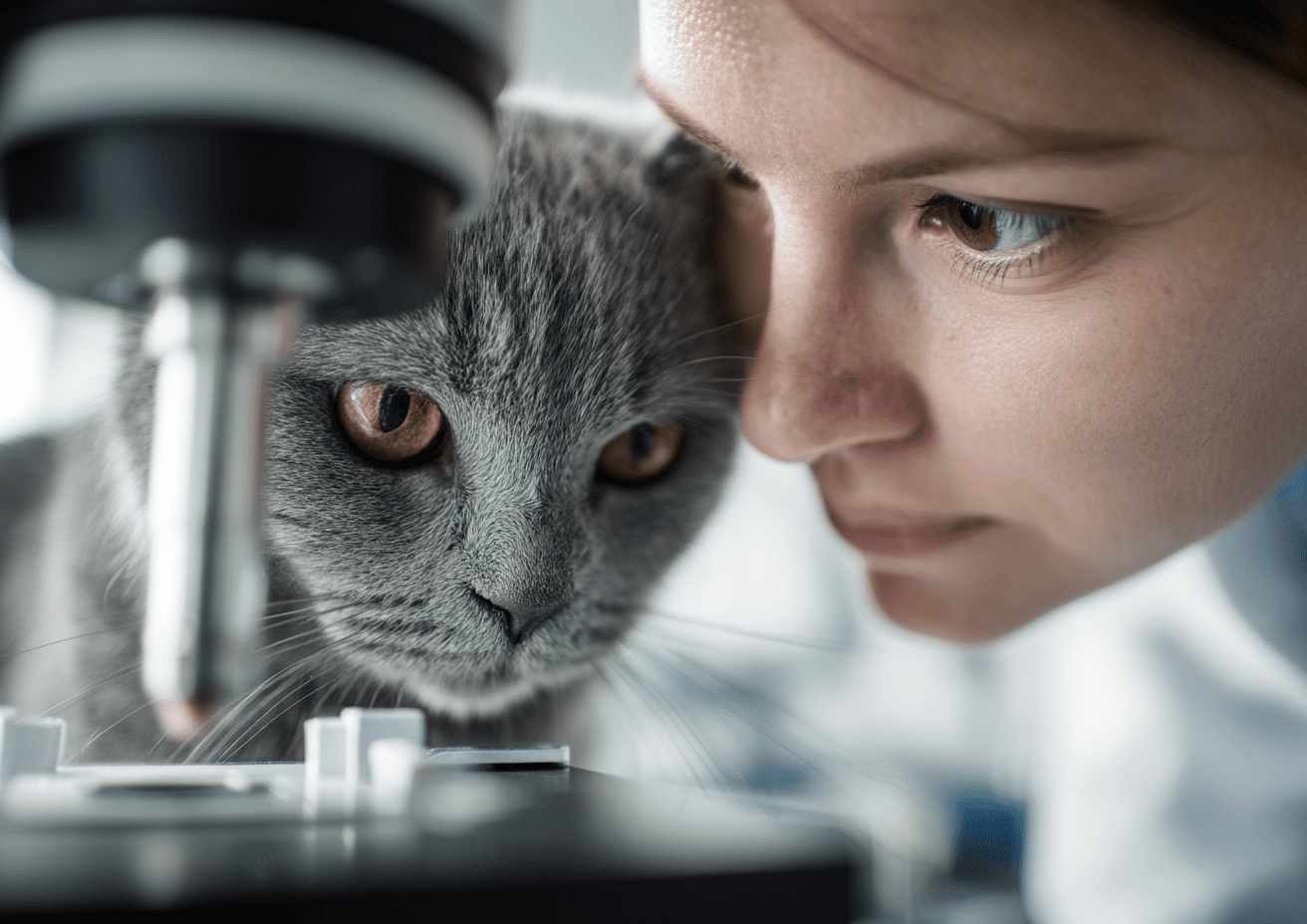
Veterinary healthcare is undergoing a transformative phase. New technologies and innovations are emerging, changing how clinics operate. For veterinary clinics, understanding these advancements is crucial for improving patient care and operational efficiency. In this blog post, we will explore some of the latest veterinary innovations and their implications for various clinical roles, including Associate Veterinarians, Emergency Veterinarians, and more.
Challenges in Veterinary Healthcare Delivery
Veterinary clinics face numerous challenges in healthcare delivery and management. These include high client expectations, staff shortages, and the need to maintain quality care while managing costs. For instance, in emergency and critical care settings, the stakes are even higher. Urgent care veterinarians must respond quickly to life-threatening conditions while balancing time constraints and resource limitations.
In addition, the rise of telemedicine presents a new set of challenges. While it enhances access to care, ensuring that remote consultations meet clinical standards can be difficult. Therefore, clinics must train their staff effectively to utilize these technologies. Innovations in veterinary healthcare can help overcome these barriers and streamline operations, ultimately leading to better patient outcomes.
Recent Innovations Shaping the Industry
Many technological advancements are influencing veterinary practices. Electronic health records (EHR) and computerized practice management systems improve data accessibility and patient tracking. This facilitates better communication among team members and enhances overall patient care. For example, food animal veterinarians can use these systems to manage herd health more effectively.
Another promising innovation is the use of telehealth. Telehealth has emerged as a critical tool for general practice veterinarians and shelter veterinarians. It allows for remote consultations, enabling veterinarians to evaluate pets and provide guidance without requiring physical visits. This not only improves access to care but also helps clinics manage their workloads efficiently.
Enhanced Diagnostic and Treatment Tools
Advancements in diagnostic technologies are also revolutionizing veterinary medicine. Portable ultrasound machines and advanced imaging techniques allow for more accurate assessments in real time. These tools enable veterinarians, particularly specialists like DACVIM, to diagnose conditions faster and initiate treatment promptly.
Moreover, artificial intelligence (AI) is beginning to play a significant role in veterinary diagnostics. AI algorithms can analyze medical images and assist veterinarians in making more informed decisions. For urgent care veterinarians, this technology can be essential for making swift diagnosis and treatment plans during high-pressure situations.
Implications for Veterinary Teams
As veterinary healthcare continues to evolve, practices must adapt to leverage these innovations. Continuous education and training will be essential. For example, mixed animal veterinarians may require additional training on integrating new technologies into their diverse practices.
Furthermore, creating a culture of collaboration among clinical team members can enhance efficiency. This becomes particularly important in emergency settings, where communication and teamwork can significantly impact patient outcomes. By embracing new technologies, clinics can improve staff morale and reduce burnout, which is critical given the current workforce realities.
Conclusion
In summary, staying abreast of the latest innovations in veterinary healthcare is vital for all veterinary professionals. Adaptation to new technologies can enhance patient care, streamline operations, and improve job satisfaction among staff. At Pulivarthi Group, we understand these challenges and are dedicated to helping your clinic access the talent needed to navigate this evolving landscape. Whether you require an Associate Veterinarian or a Board-Certified Veterinary Internal Medicine Specialist, we can assist in finding skilled professionals to meet your clinic’s needs. Partner with us to ensure your facility remains at the forefront of veterinary healthcare innovations.