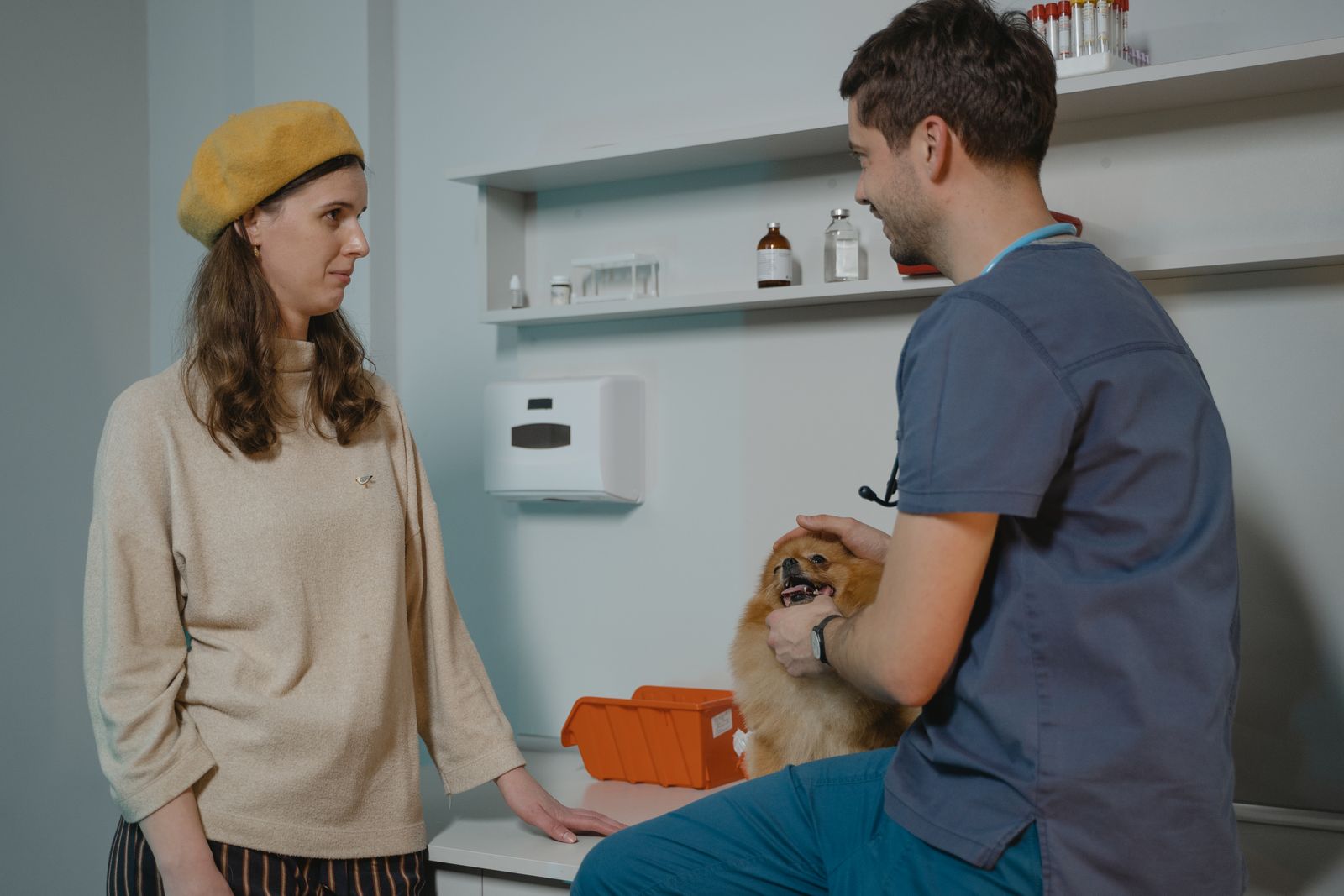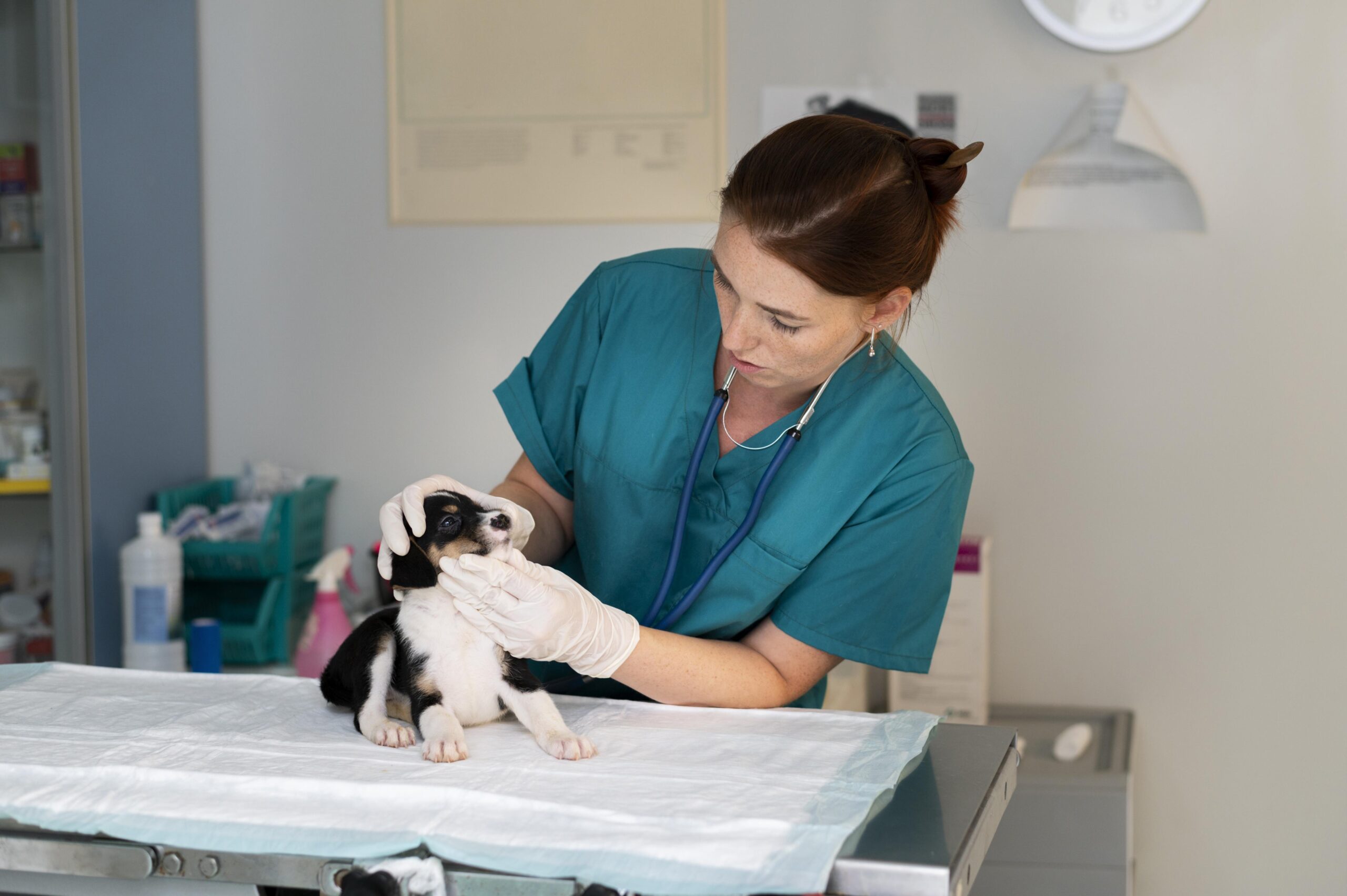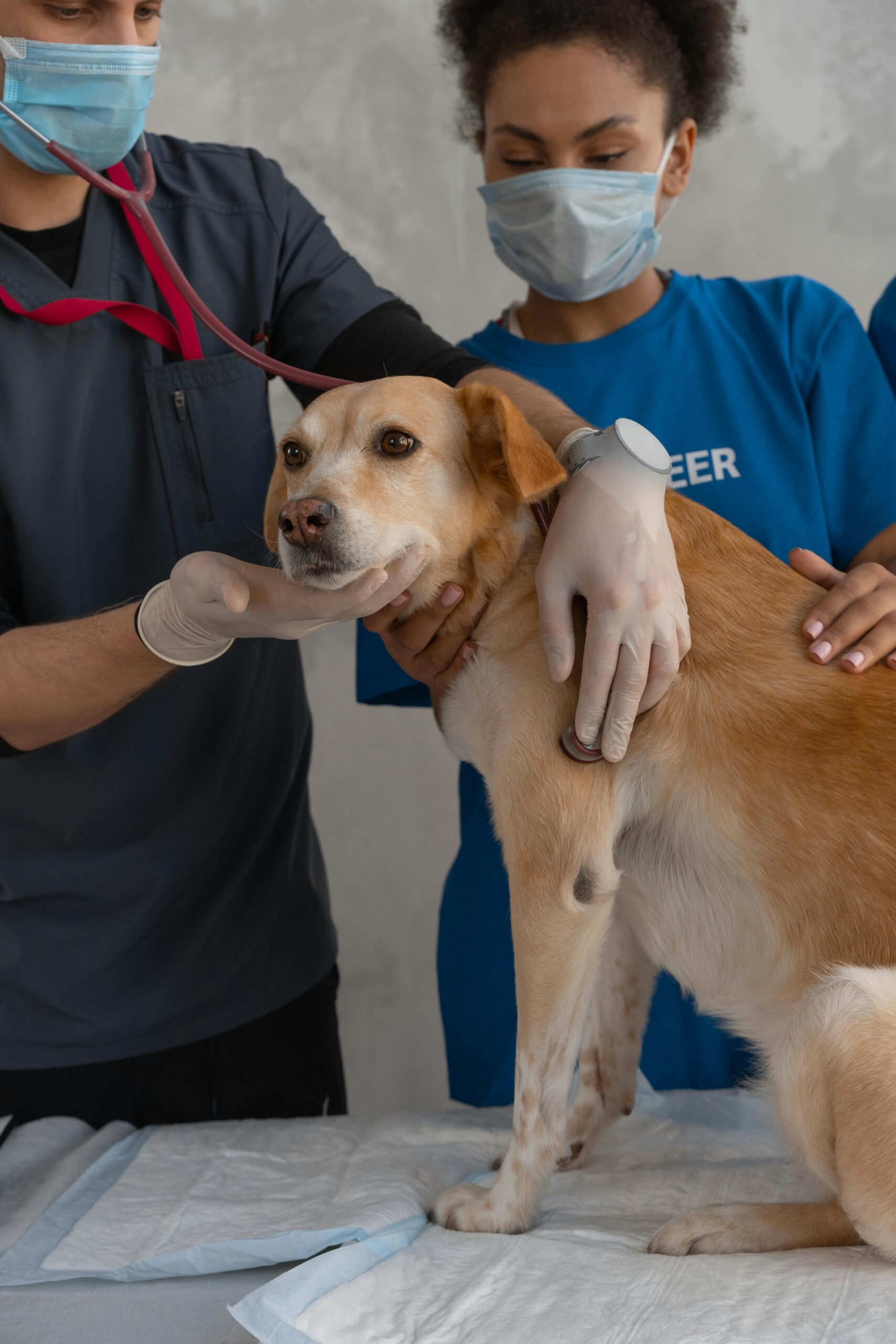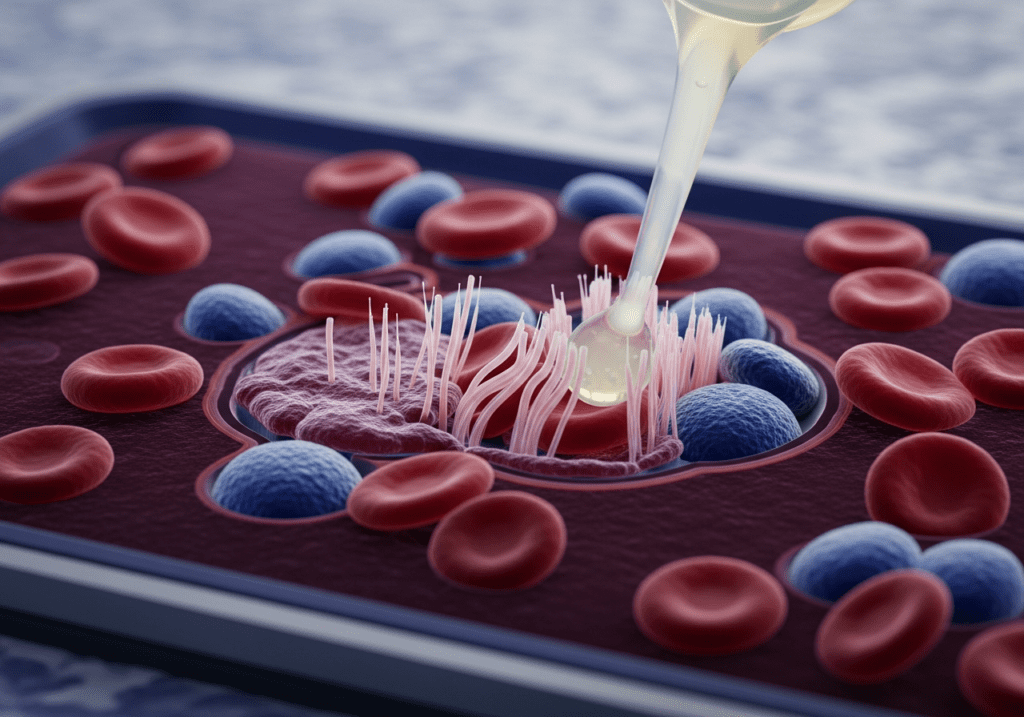
The administration of intravenous lipid emulsion (ILE) in veterinary medicine has garnered significant attention, particularly regarding its implications for coagulation in dogs. As veterinarians, it is crucial to understand how this treatment affects our patient’s health, especially in emergency and critical care settings. Recent studies reveal that while ILE is an essential therapeutic option, it can create a hypocoagulable state that poses risks during surgeries and in managing trauma cases.
Understanding the Effects of Intravenous Lipid Emulsion
Intravenous lipid emulsion is primarily used for treating conditions such as local anesthetic toxicity and for providing caloric support. However, it can induce a complex series of changes in a dog’s coagulation profile. In clinical practice, especially in urgent care and emergency scenarios, navigating these changes becomes critical. Failure to adequately assess and manage coagulopathy could lead to severe postoperative complications.
A study conducted in a university teaching hospital setting explored the effect of ILE on coagulation parameters in healthy dogs. The study found no significant changes in standard coagulation tests following ILE administration. Although this may seem reassuring, the absence of observable changes does not mean that clinical vigilance is unnecessary.
Clinical Implications for Veterinary Practices
Veterinary clinics must ensure their clinical staff is well-informed about the nuances of ILE administration. For example, General Practice Veterinarians and Urgent Care Veterinarians should remain vigilant when administering ILE, particularly in patients with pre-existing coagulopathies or those requiring surgical intervention. Those in critical care, such as Critical Care Veterinarians, should monitor their patients closely for any signs that may indicate coagulopathy, even if coagulation tests appear normal.
- Educate staff on identifying potential signs of hypocoagulation.
- Implement protocols for monitoring coagulation status before and after ILE administration.
- Work closely with a Veterinary Internal Medicine Specialist to tailor strategies for managing complex cases.
Workforce Realities in Veterinary Medicine
In addressing these challenges, veterinary clinics often face challenges related to staffing and expertise. The increasing demand for specialized roles—such as Board-Certified Veterinary Internal Medicine Specialists (DACVIM)—highlights the necessity for clinics to adopt flexible staffing solutions. Accessing dedicated specialists can empower practice owners to offer comprehensive care while maintaining efficient operations.
The current workforce landscape indicates a growing need for veterinary professionals with emergency medicine and internal medicine expertise. Understanding industry trends can help clinics make informed hiring decisions to manage caseloads effectively.
Future Considerations for Veterinary Practices
To ensure optimal patient outcomes, veterinary professionals must embrace continuous education on evolving treatments such as ILE. As our understanding of coagulation and treatments improves, so must our approaches to education and practice management. Staying informed on the latest research, such as the effects of intravenous lipid emulsion on coagulation, will enable veterinary teams to refine their treatment protocols.
In conclusion, the impact of intravenous lipid emulsion on coagulation in dogs presents vital implications for veterinary practice. While studies indicate minimal short-term effects in healthy dogs, the complexities of each individual patient remain paramount. To address these challenges effectively, veterinary clinics must focus on staff education and adapt to workforce realities. Pulivarthi Group stands ready to assist veterinary clinics in accessing specialized talent across various roles, ensuring that clinical teams are well-prepared to navigate the intricacies of patient care and operational efficiency.