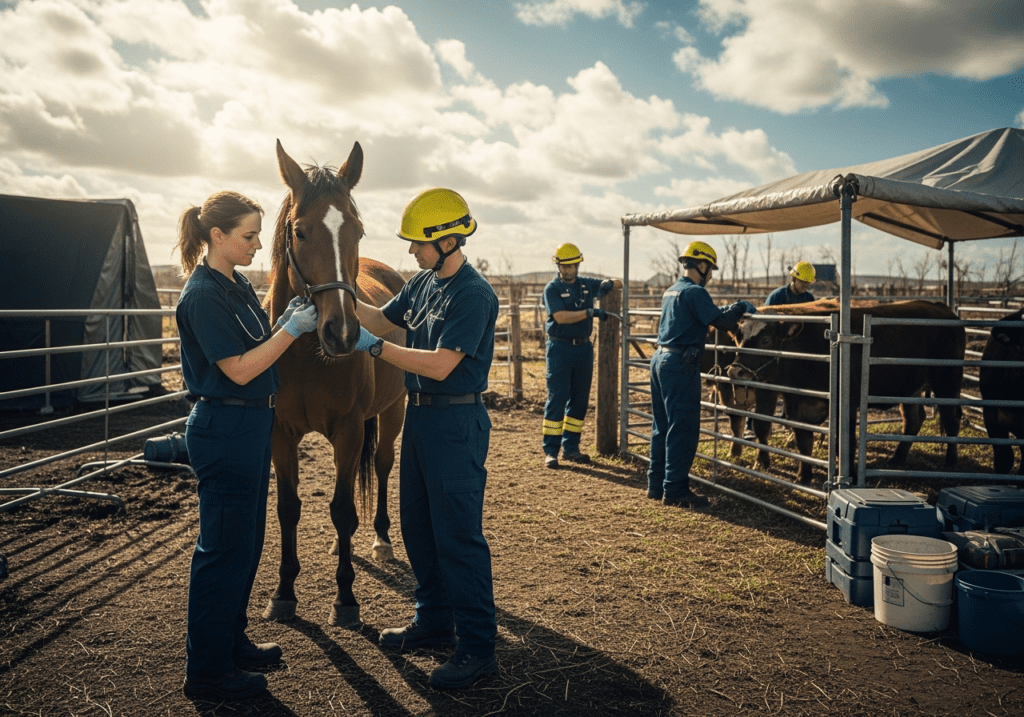
In the wake of natural disasters, swift action is crucial for livestock owners. Livestock assistance becomes a paramount need in ensuring the safety and well-being of animals in affected areas. Recent events in Seminole, Oklahoma have highlighted the critical role first responders play in assessing damage and supporting livestock owners. Understanding how these responders operate can greatly empower veterinarians and clinic staff in disaster scenarios.
Understanding the Role of First Responders
First responders are often the first on the scene after a disaster occurs. They assess the impact on livestock and provide immediate support to owners. This involves evaluating the health of animals, securing safe housing, and distributing food and water supplies. For veterinary clinics, collaboration with these responders can enhance the care provided to both livestock and their owners.
- Conducting initial assessments of animal health
- Providing immediate medical care for injured livestock
- Facilitating communication between owners and veterinary clinics
Challenges Faced by Veterinarians
Veterinarians—especially those specializing in food and mixed animal care—face unique challenges during disaster response efforts. Assessing livestock health in emergencies extends beyond quick examinations. It requires acute attention to detail and swift decision-making. General practice veterinarians must often make critical judgments, such as prioritizing patients based on severity and need.
Furthermore, the chaotic environment following a disaster can complicate traditional veterinary practices. As a result, veterinary teams must enhance their operational strategies. Teams should consider regular disaster response training to prepare adequately for such emergencies, building skills in emergency management and livestock care.
Practical Tips for Veterinary Clinics
Veterinary clinics can play a significant role in disaster response through strategic planning and readiness. Here are some actionable steps clinics can take to bolster their preparedness:
- Establish strong communication channels with local first responders and community leaders.
- Keep a stock of necessary medical supplies and food for livestock on hand.
- Implement a response training program for clinic staff.
- Participate in community disaster response drills.
When to Seek Assistance
In times of crisis, knowing when to contact first responders is essential. Clinics should advise livestock owners to reach out for help immediately following a disaster. This ensures that animals receive timely care and that owners are informed about available resources.
As a veterinary professional, considering the broader implications of animal welfare during emergencies is critical. Sheltering livestock, providing food, and ensuring health checks should all be part of the response strategy. The quicker these actions are taken, the higher the chance of recovery for the animals affected.
The Importance of Community and Collaboration
The collaborative efforts between veterinarians and first responders are vital for effective disaster response. This partnership not only aids in rapid support but also improves the overall welfare of livestock owners during tough times. By creating strong ties within the community, veterinary clinics can become pivotal players in disaster resilience efforts.
In conclusion, veterinary clinics must be prepared to engage actively with first responders during disasters. Understanding the roles and challenges faced by both parties enhances the provision of livestock assistance. Partnering with experts like Pulivarthi Group ensures that clinics can access the necessary talent across numerous specializations. This includes roles crucial to managing livestock emergencies, such as Emergency Veterinarians, Mixed Animal Veterinarians, and Veterinary Internal Medicine Specialists. By fostering these connections, clinics not only improve their operational capabilities but also enhance the life-saving support they provide to local animal owners.