The advancement of artificial intelligence (AI) in veterinary medicine represents a transformative opportunity for clinical practices. In particular, AI can play a significant role in the early detection of heart murmurs in pets. This development is increasingly vital for veterinarians looking to improve patient care, operational efficiency, and overall diagnostic accuracy in their clinics.
Understanding Heart Murmurs and Their Detection
Heart murmurs in pets can indicate underlying health issues, ranging from benign conditions to life-threatening diseases. Early detection is crucial for effective intervention. Traditional auscultation methods might not catch every murmur, particularly in pets with subtle signs. This is where AI can lead to advancements that enhance diagnostic capabilities.
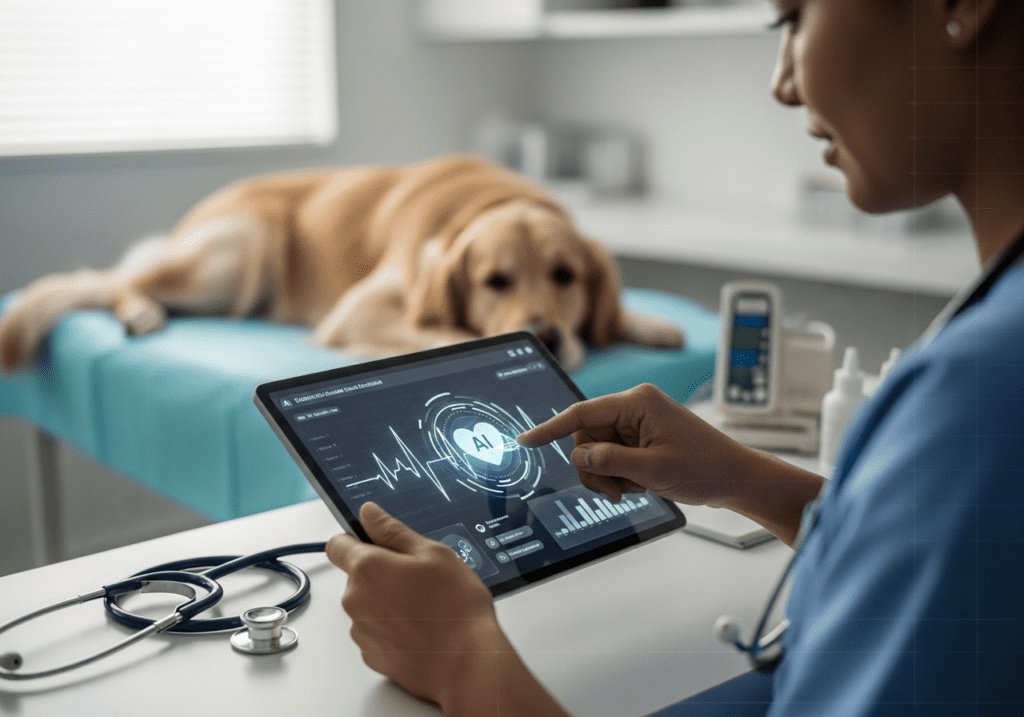
AI algorithms can analyze heart sounds with a level of precision that often surpasses human capability. They leverage vast datasets of canine and feline heart sounds, enabling them to identify patterns that might elude even experienced clinicians. By integrating AI technologies, veterinarians can improve their diagnostic process significantly, ensuring timely treatment.
The Impact of AI on Different Veterinary Roles
The incorporation of AI tools varies by role within the veterinary field. For instance, Associate Veterinarians in general practice can use AI to assist in routine check-ups, while Emergency Veterinarians may find AI particularly helpful during high-stakes situations that require rapid assessments. Moreover, Specialty roles such as Board-Certified Veterinary Internal Medicine Specialists (DACVIM) can utilize AI for more detailed diagnostic workups.
- General Practice Veterinarians: Benefit from AI-driven insights to enhance routine health evaluations.
- Emergency Veterinarians: Rely on quick analyses provided by AI for critical decisions.
- Mixed Animal Veterinarians: Use AI for detecting murmurs across various species, aiding diverse patient care.
Operational Efficiency through AI Integration
Operational efficiency in veterinary clinics can increase significantly by adopting AI technologies. For example, clinics that implement AI for heart murmur detection can streamline their workflow. This allows staff to focus more on patient care rather than solely on diagnostics.
AI systems can also facilitate better communication within the veterinary team. Clinicians, technicians, and practice managers can collaborate effectively using shared AI-generated data, ensuring a cohesive approach to patient care.
Industry Trends Supporting AI Adoption
In North America, the trend towards integrating AI into veterinary medicine is growing. Many clinics recognize that early detection of critical conditions, such as heart murmurs, can lead to improved outcomes. A survey of veterinary practitioners highlights a rising interest in adopting AI technologies to enhance clinical diagnostics.
In addition, veterinary professionals are increasingly seeking training on AI tools. This eagerness showcases a broader commitment to continuous learning, ensuring that the veterinary staff remains at the forefront of clinical innovation. Therefore, clinics that promote ongoing education and adaptation to new technologies will likely thrive.
Challenges to Consider
While AI presents numerous benefits, challenges do exist. Clinics may face hurdles in terms of costs, technology integration, and staff training. Urgent Care Veterinarians may need quick solutions that AI can provide but must also navigate budget constraints.
Moreover, ensuring data accuracy and encouraging staff buy-in for technology adoption are critical factors. However, investing in AI technology can lead to long-term savings and enhanced patient health outcomes.
Conclusion
In conclusion, artificial intelligence holds great potential for early heart murmur detection in pets, improving diagnostics across various veterinary roles. This technology can enhance patient outcomes and streamline clinic operations. The Pulivarthi Group stands ready to assist veterinary clinics in harnessing this potential by helping practices find dedicated talent—ranging from Associate Veterinarians to DACVIM specialists—who are equipped to leverage these technological advancements. By fostering a skilled workforce, we enable clinics to meet the modern challenges of veterinary medicine effectively.