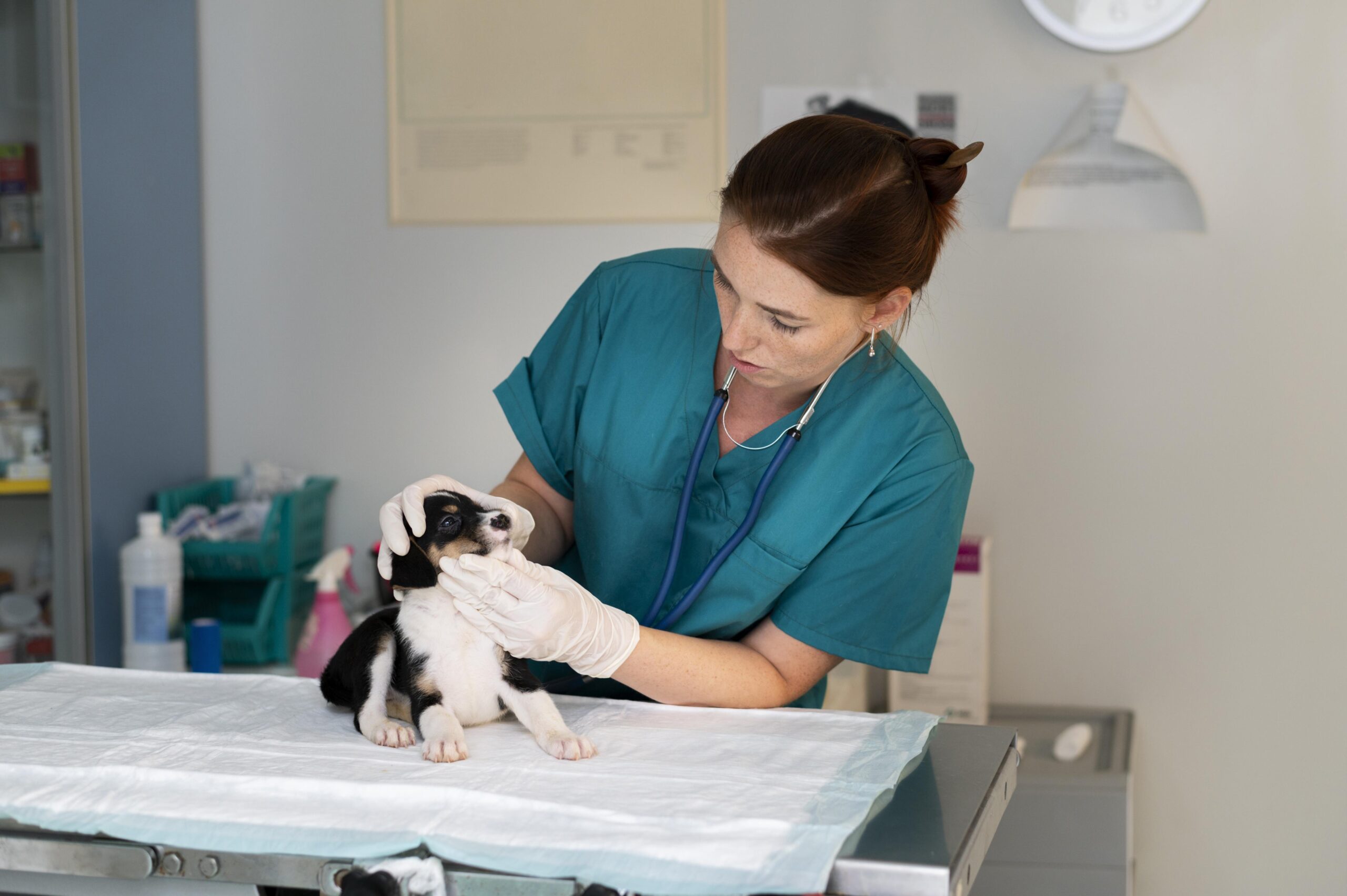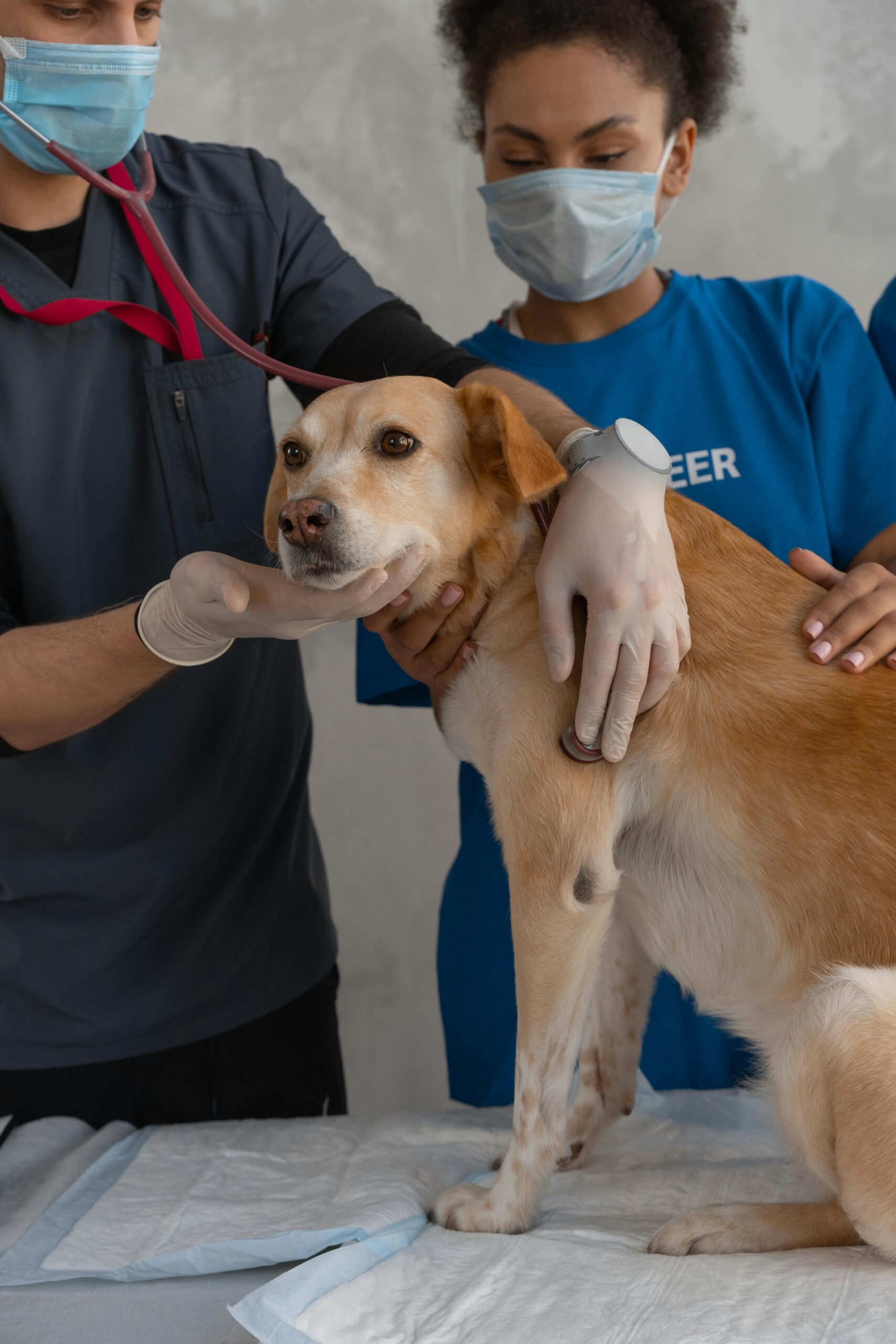
The integration of AI in veterinary practice presents a transformative opportunity for veterinary clinics across the United States. This technology has the potential to enhance clinical efficiency, improve patient care, and streamline operations. As we navigate the current trends in veterinary medicine, understanding how AI can become a vital team member is important for practice owners, veterinarians, and clinic staff.
Understanding AI’s Role in Veterinary Medicine
AI can assist veterinary teams by providing data analytics that enhance clinical decision-making. For instance, systems powered by AI can analyze patient data, predict outcomes, and suggest treatment plans. Thus, veterinary professionals can focus more on patient interaction and care, rather than paperwork. This shift can lead to better patient outcomes and increased staff satisfaction.
Integrating AI in veterinary practice involves overcoming several challenges. One major issue is implementation resistance. Clinics may struggle to adopt new technology due to concerns about disrupting established workflows. In addition, ethical decision-making regarding patient care must consider the implications of relying on automated systems. For many veterinarians, particularly in critical care and emergency settings, the intuition and expertise gained from years of experience cannot be understated.
Enhancing Team Collaboration through AI
AI tools can significantly improve team collaboration by facilitating communication among staff members. For example, veterinary internal medicine specialists can share insights on patient management through an AI-enabled platform, leading to more cohesive care strategies. This is particularly vital in shelters and community medicine, where resources are scarce, and team efficiency is crucial.
- Improved documentation accuracy by reducing human error.
- Enhanced decision support through AI-generated recommendations.
- Better workload management by automating routine tasks.
- Facilitation of real-time data sharing among multiple veterinary roles.
Addressing Key Challenges in AI Adoption
The challenges of integrating AI in veterinary practice can vary by specialization. For instance, urgent care veterinarians may need to adapt quickly to changing data inputs, while mixed animal veterinarians have to balance technology with hands-on assessments in various environments. Approaching these challenges requires veterinary leaders to foster an open culture, where staff can discuss their concerns and experiences freely.
Moreover, regulatory protection is essential in this landscape. AI systems must comply with industry standards to ensure patient safety and data integrity. Staying updated on these regulations can present additional hurdles, thereby underscoring the necessity for continuous education among veterinary staff.
Practical Steps for Implementation
To effectively adopt AI tools in veterinary clinics, consider these practical steps:
- Start small with pilot programs for specific AI applications.
- Engage your team in the training process to increase buy-in.
- Monitor the results and gather feedback for continuous improvement.
By utilizing an iterative approach, practices can gradually enhance their operations without overwhelming their teams.
Conclusion
The integration of AI in veterinary practice fosters a collaborative environment that benefits both staff and patients alike. By addressing implementation challenges and fostering an environment of teamwork, veterinary clinics can leverage AI to improve patient care and operational efficiency. The Pulivarthi Group stands ready to support your practice in accessing hard-to-find talent. Whether you need an associate veterinarian, critical care veterinarian, or a board-certified specialist, our expertise can help you build a robust and resilient veterinary team. Embrace the future of veterinary medicine by considering AI as a true team member.