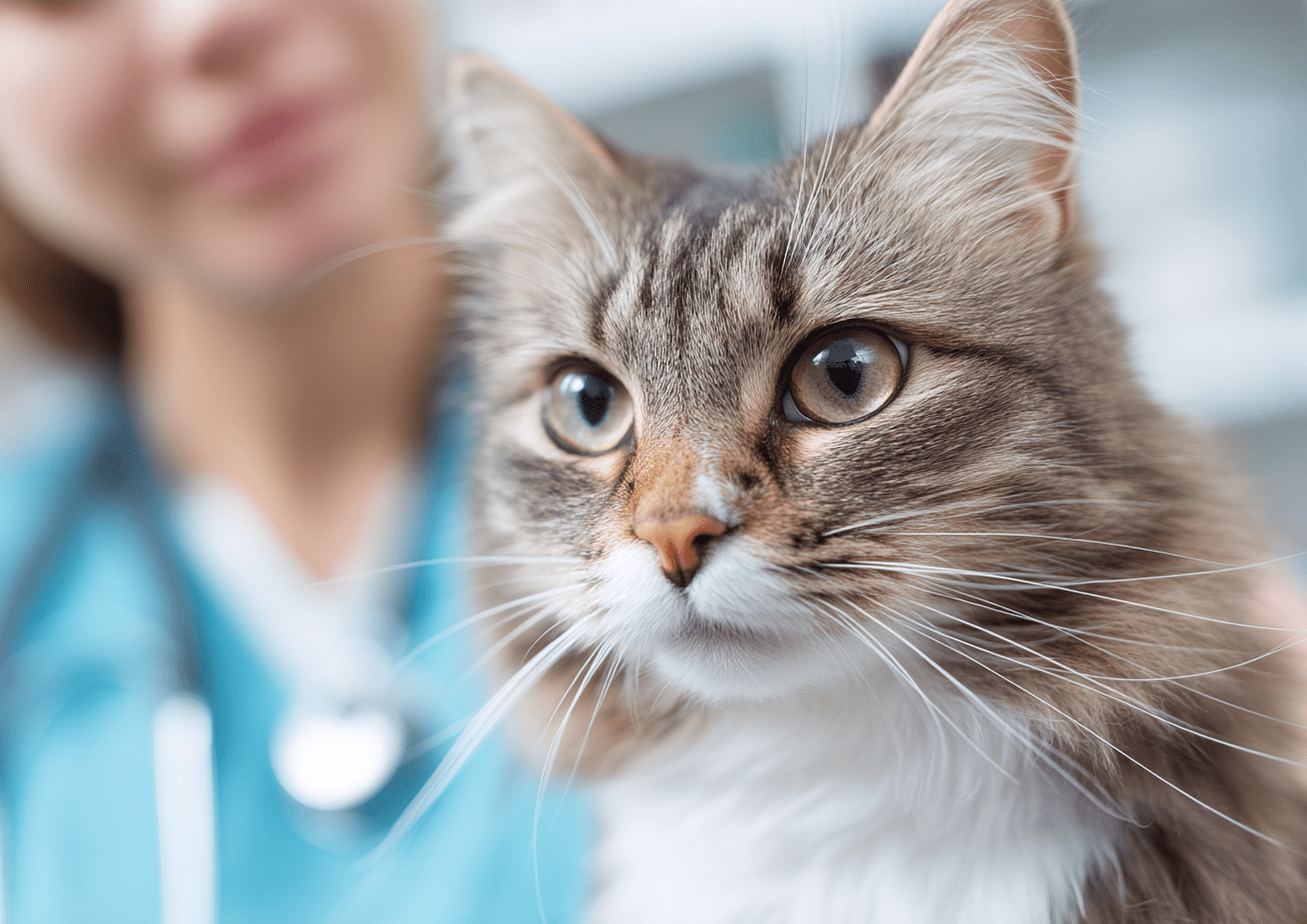
In today’s rapidly evolving veterinary landscape, veterinary innovations play a vital role. They enhance clinical practice, improve patient care, and streamline operational efficiency in veterinary clinics. Understanding these advancements is key for veterinarians, practice owners, and clinical staff seeking to provide the highest quality of care.
Why Stay Informed About Veterinary Innovations?
As veterinarians confront various challenges daily, such as increasing patient loads and the need for more specialized care, staying informed about the latest advancements is crucial. Innovations in veterinary medicine can transform routine practices, improve patient outcomes, and enhance the overall efficiency of veterinary clinics.
Key Areas of Innovation
The field of veterinary medicine is witnessing impressive technological advancements. Innovations are emerging across several key areas:
- Telemedicine: Expanding access to care while reducing overhead costs.
- Diagnostic Tools: Advanced imaging technology and point-of-care diagnostics enhance disease detection.
- Medical Devices: High-tech surgical instruments and monitoring devices improve procedure outcomes.
- Data Management: Software that integrates practice management and electronic health records optimizes workflow.
Implications for Diverse Veterinary Roles
Different roles in the veterinary field experience unique challenges, and these innovations can address many of them. For instance, urgent care veterinarians can efficiently utilize telemedicine to triage patients before arriving at the clinic. Emergency veterinarians benefit from advanced diagnostic tools, leading to quicker and more accurate decision-making during critical cases.
Mixed animal veterinarians face logistical challenges in managing both small and large animal care. Innovations in mobile diagnostics can allow them to deliver better services in the field. Meanwhile, veterinary internal medicine specialists can leverage new diagnostic imaging advancements to develop more accurate treatment plans.
Operational Efficiency in Veterinary Clinics
Adopting veterinary innovations not only improves clinical practice but also enhances operational efficiency. Clinics that implement data management systems can streamline appointment scheduling, billing, and patient tracking. As a result, the staff spends less time on administrative tasks and more time on patient care.
For practice owners and managers, these innovations translate to higher profitability. Reduced operational costs coupled with improved patient outcomes can lead to increased client satisfaction and retention.
Workforce Realities and Continuing Education
As advancements in veterinary medicine continue, the need for ongoing education grows. Veterinary professionals must remain adept in emerging technologies and techniques. Offering continuing education opportunities and encouraging staff attendance at industry conferences can significantly improve a clinic’s capabilities.
Conclusion
Innovation in veterinary medicine presents exciting opportunities for veterinary clinics to enhance care and efficiency. From advancements in telemedicine to sophisticated diagnostics, these innovations are reshaping how veterinarians operate. As you consider implementing new technologies, remember that having the right team is essential. Pulivarthi Group serves as a valuable partner in helping veterinary clinics find and retain exceptional talent in roles like Associate Veterinarian, Emergency Veterinarian, and Board-Certified Veterinary Internal Medicine Specialist (DACVIM). By focusing on the right innovations and staffing solutions, your practice can embrace the future confidently.