In veterinary practice, precise diagnostics play a crucial role in patient care. Recent advancements in imaging techniques have ushered in new possibilities for evaluating equine health. One such technique, computed tomographic tenography (CTT), shows promise for detecting complex tendon lesions. This blog focuses on the effectiveness of CTT for veterinary clinics, highlighting its implications for a variety of veterinary roles.
Understanding the Challenges of Equine Diagnostics
Many equine veterinarians face significant difficulties when diagnosing intrathecal lesions using traditional methods such as ultrasonography and contrast tenography. These methods can yield inconclusive results, causing frustration for both veterinarians and clients. Thus, the introduction of CTT could transform the diagnostic landscape.
Urgent care veterinarians and emergency veterinarians, in particular, encounter cases where quick and accurate diagnosis is essential for timely intervention. By employing CTT, they may improve diagnostic accuracy and patient outcomes. However, the integration of this technology requires an understanding of its benefits, limitations, and operational adjustments related to the clinical workflow.
Clinical Implications of CTT
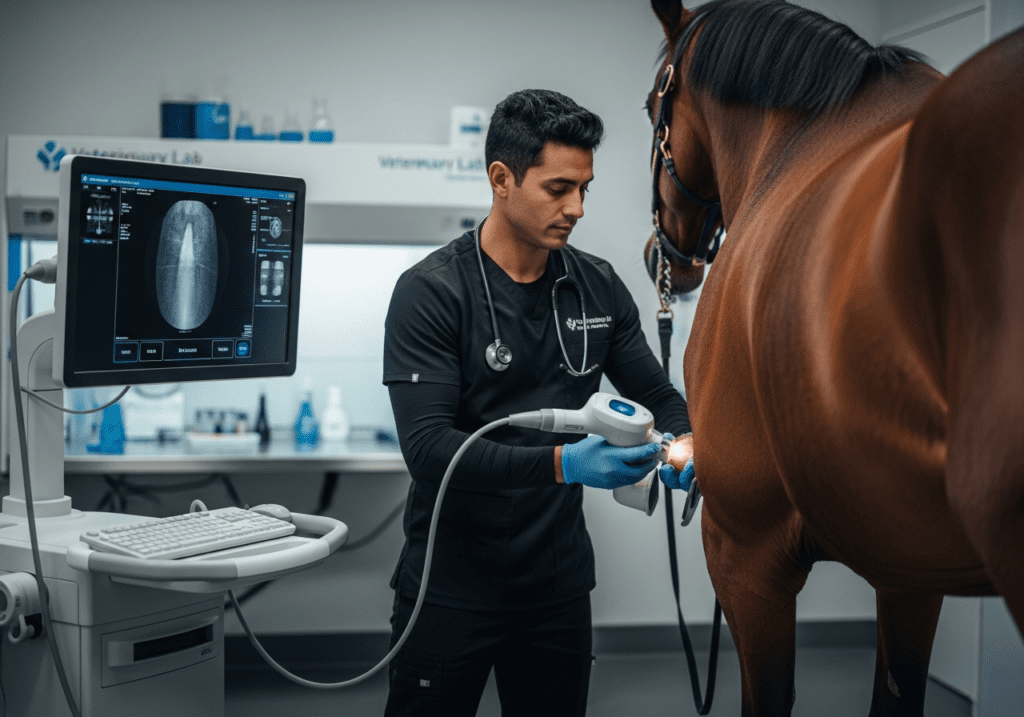
The study of CTT in equine tendon lesions indicates that this method improves diagnostic performance compared to traditional imaging techniques. The standing computed tomographic tenography allows for detailed visualization of tendon structure and pathology, enabling veterinarians to make more informed decisions regarding treatment options.
For example, a general practice veterinarian might find that quick access to accurate diagnostic information enhances the management of chronic tendon injuries. In contrast, specialized roles, such as veterinary internal medicine specialists, may utilize CTT for more complex cases, enriching their understanding of underlying conditions.
Operational Efficiency and Cost-Effectiveness
Implementing CTT can improve operational efficiency in veterinary clinics. Although the initial investment might be high, the long-term benefits—including faster diagnosis, reduced recheck consultations, and improved treatment outcomes—can offset these costs. Mixed animal veterinarians and food animal veterinarians can also leverage CTT to provide comprehensive care across diverse patient populations.
Moreover, clinics that adopt advanced imaging technologies like CTT position themselves as industry leaders. They attract clients seeking state-of-the-art care for their horses, while also enhancing job satisfaction among veterinary staff who can offer high-quality diagnostics.
Embracing Innovations in Veterinary Medicine
The veterinary industry is evolving with the advent of new technologies. Staying current with trends, such as the use of computed tomographic tenography, is vital for veterinarians. Understanding how CTT improves diagnostic performance will enable clinical teams to adapt to changing patient needs effectively.
For shelter veterinarians and community medicine veterinarians, it is essential to stay informed about imaging innovations like CTT, especially when managing high-volume clinics where quick and accurate diagnostics can significantly impact patient care.
Conclusion
The integration of CTT into veterinary practices marks a significant step forward in equine diagnostics. It addresses key challenges faced by veterinarians, enhancing patient care and operational efficiency. As veterinary clinics explore this advanced imaging technique, it is crucial to consider access to skilled professionals who are proficient in its use.
The Pulivarthi Group can assist veterinary clinics, ensuring they have access to hard-to-find talent across various roles—such as Associate Veterinarian, General Practice Veterinarian, and Veterinary Internal Medicine Specialist (DACVIM). Partner with us to navigate this evolving landscape and enhance your clinic’s capabilities today.