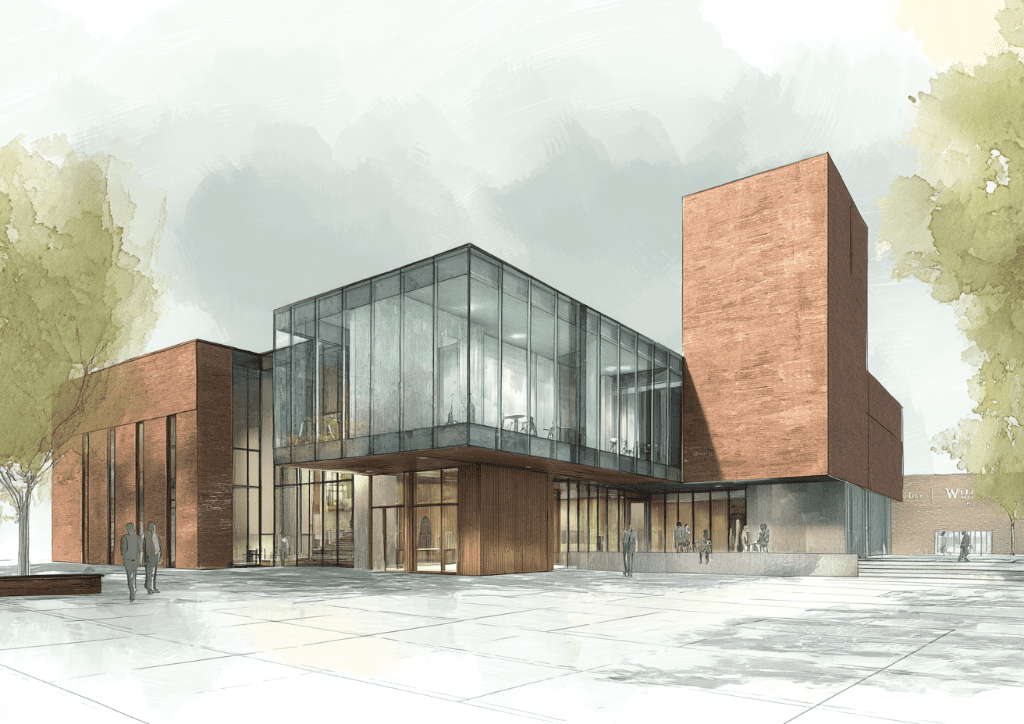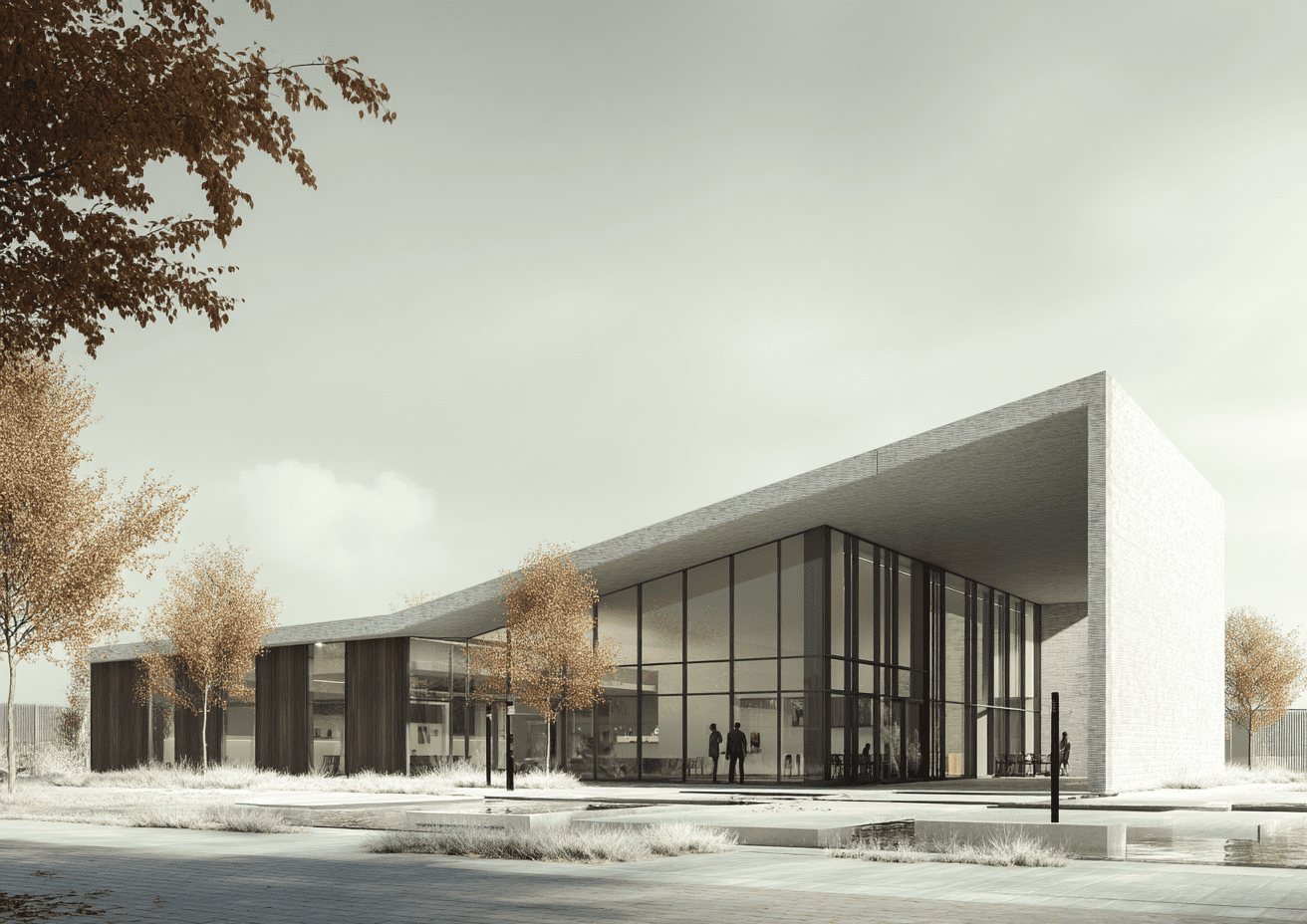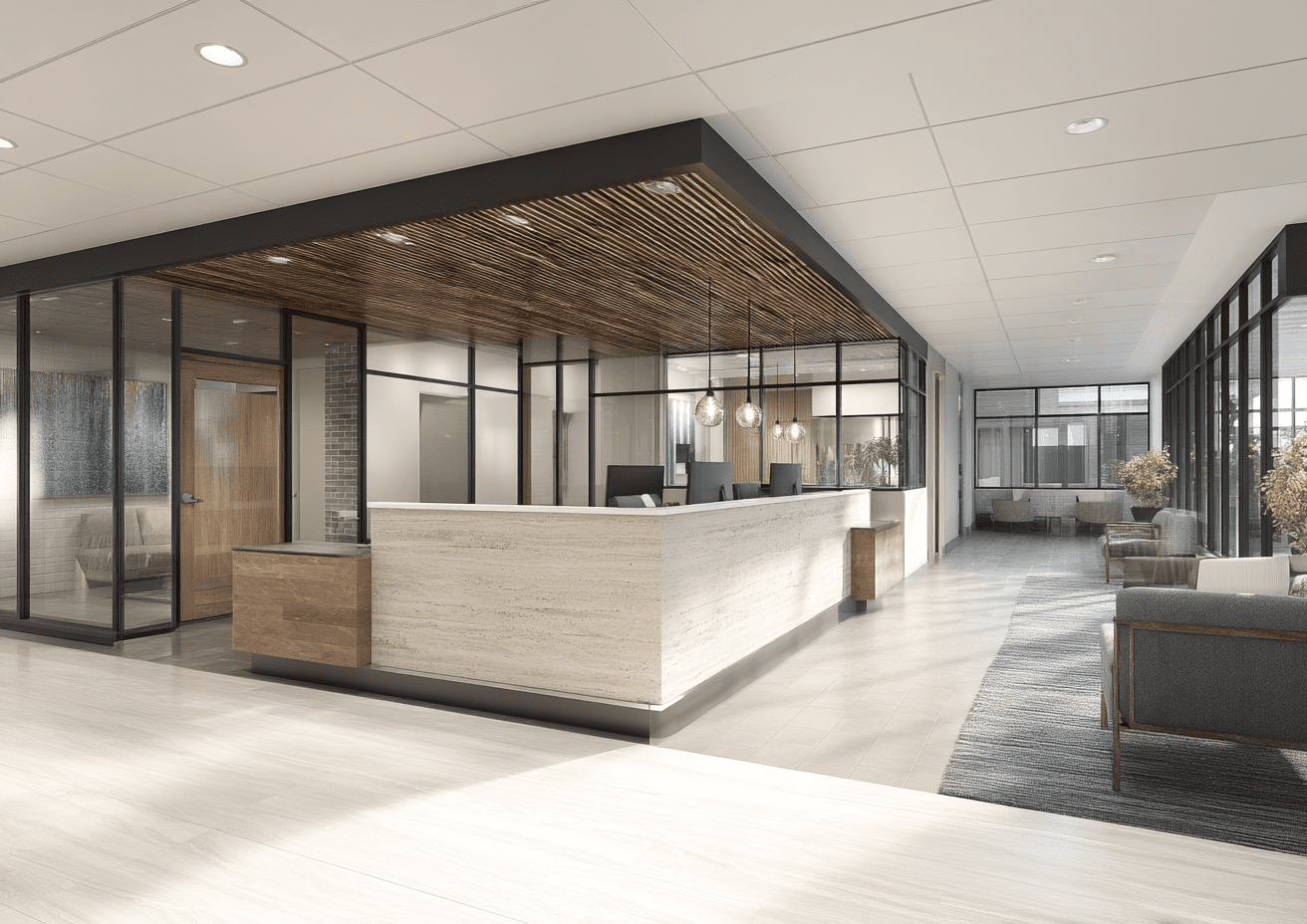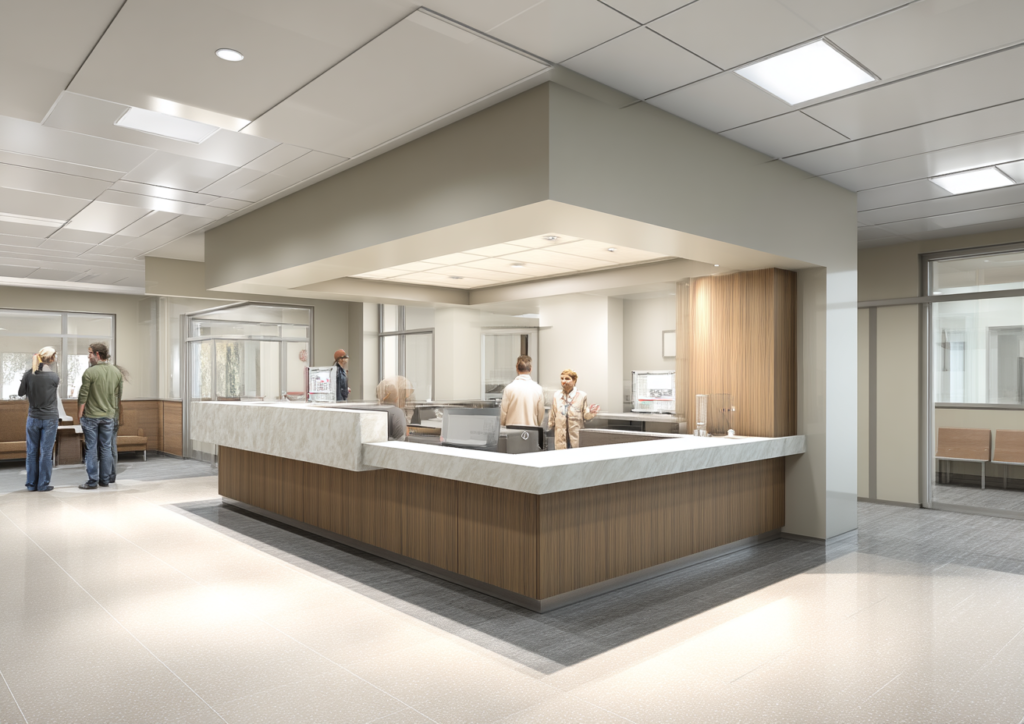
In the ever-evolving landscape of veterinary medicine, emergency veterinary care plays a crucial role. As the demand for urgent and emergency services increases, effective hospital design becomes essential. Optimizing these facilities enhances patient care and operational efficiency. With this post, we explore innovative design strategies that can transform emergency veterinary hospitals into models of care and flow.
Understanding the Importance of Hospital Design
Properly designed emergency veterinary hospitals can significantly impact patient outcomes and staff workflows. This design encompasses everything from the layout to the workflow processes. For instance, in an emergency setting, triage is critical. A clear layout that promotes rapid assessment and treatment reduces waiting times. This feature directly leads to improved patient care and satisfaction. Emergency Veterinarians often face the pressure of high caseloads, so efficient design mitigates stress and allows for more effective care delivery.
Key Design Considerations for Emergency Veterinary Hospitals
- Flow Optimization: The layout should facilitate smooth movements from triage to treatment areas. Emergency cases must be prioritized without unnecessary delays.
- Dedicated Treatment Zones: Having specific areas for different types of emergencies, such as critical care and urgent cases, streamlines processes.
- Staff Accessibility: Design staff areas where veterinarians and technicians can collaborate easily. This includes ergonomic workspaces and clear sight lines to patient areas.
- Technology Integration: Incorporating advanced technology for diagnostics and information flow can enhance care quality. Digital records allow faster access to patient histories.
The differences in these design elements can affect various roles. For example, Critical Care Veterinarians benefit from a well-designed ICU space tailored for critical monitoring. Alternatively, Urgent Care Veterinarians may need more flexible spaces, accommodating a diverse range of emergent situations. By understanding the unique workflow requirements of each role, clinics can tailor their designs accordingly.
Addressing Challenges in Emergency Hospital Operations
One challenge facing emergency veterinary clinics is managing unpredictable patient volumes. Implementing a flexible design can aid in adapting to sudden surges in patients. Emergency room layouts that can quickly convert into additional treatment spaces offer agility, especially when handling high patient loads. The need for an adaptive workflow also extends to staffing considerations. For instance, having a mix of experienced and new staff during peak times improves patient care.
Furthermore, communication remains vital. Digital solutions that enhance team communication streamline workflows and improve patient flow. For instance, real-time updates through digital platforms can ensure everyone is aware of current patient statuses, reducing redundancy and enhancing collaboration.
Trends Shaping the Future of Emergency Veterinary Care
Emerging trends indicate a shift towards creating stress-free environments for both pets and their owners. The design focuses more on comfort, with waiting areas that are welcoming and anxiety-reducing. Implementing natural light, soft colors, and soundproofing are contributing factors in this evolving space.
Additionally, sustainability is increasingly essential in hospital design, shaping choices from materials to energy efficiency. Clinics that adopt sustainable practices not only attract environmentally conscious clients but also contribute positively to their communities. Shelter Veterinarians often advocate for such practices, as they directly impact the welfare of the animals they care for.
Conclusion
In summary, emergency veterinary care requires hospitals to be a blend of functionality, comfort, and efficiency. By implementing innovative design strategies, clinics can enhance patient care and streamline operations. As the veterinary landscape continues to evolve, collaborating with trusted partners like Pulivarthi Group can support emergency veterinary hospitals in navigating workforce challenges. Through effective staffing solutions, clinics can find the right talent, from Associate Veterinarians to Board-Certified Veterinary Internal Medicine Specialists (DACVIM). Emphasizing both clinical and operational excellence ensures that veterinary clinics remain at the forefront of quality care.