Creating low-stress veterinary visits for cats is increasingly vital in ensuring both animal welfare and customer satisfaction. Cats are often more sensitive to change than dogs. This sensitivity can lead to significant anxiety during veterinary visits. Understanding how to manage this anxiety is essential for veterinary clinics focused on exemplary patient care and operational efficiency.
Understanding Cat Anxiety in Veterinary Settings
Veterinary professionals, including associate veterinarians and emergency veterinarians, frequently encounter anxious cats. This anxiety can manifest through behaviors such as hiding, vocalizing, or aggressive actions. Knowing how to recognize and address these behaviors is crucial. Implementing low-stress veterinary care methods not only enhances the visit for cats but also streamlines operational flow for veterinary staff.
Practical Tips for Reducing Stress
There are various strategies that veterinary clinics can implement to create low-stress environments. Here are some effective techniques:
- Utilize calming pheromones in waiting areas.
- Provide quiet, separate spaces for feline patients.
- Minimize loud noises and sudden movements during exams.
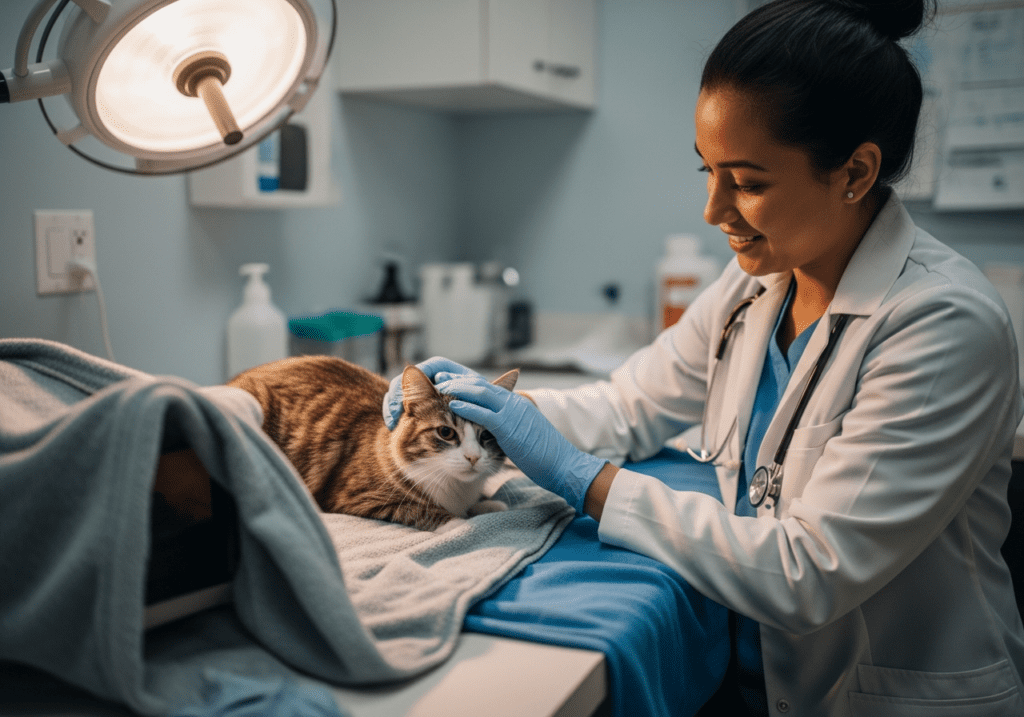
- Incorporate gentle handling techniques by the clinical staff.
These methods not only help in reducing stress but also improve overall patient care. For instance, mixed animal veterinarians can incorporate these strategies in both private practice and shelter settings. They can notice a significant decrease in both stress-related behaviors and the time required for examinations.
Communication as a Tool for Comfort
Effective communication with pet owners plays a crucial role in low-stress veterinary visits for cats. Educating pet owners about what to expect during a visit can alleviate their fears. Explaining procedures clearly helps reduce anxiety not just for the cat but also for the owner. Front desk staff and veterinary technicians can provide insights on preparing their cats for visits. This preparation sets the tone for a smoother experience.
Incorporating Technology and Tools
Using technology effectively aids in creating a calm environment. Solutions such as automated appointment reminders and online booking systems can help manage flow. Moreover, employing mobile apps for follow-up care allows owners to stay informed about their cat’s health. However, technology should not overshadow the personal touch that direct interaction provides.
Continuous Learning and Development
The veterinary industry is continually evolving. Therefore, staying informed about the latest trends in low-stress veterinary care is essential. Workshops and continuing education courses focusing on feline behavior can equip veterinarians and staff with the skills they need. Practitioners should also explore social media communities and forums for shared experiences and insights.
Conclusion
Creating low-stress veterinary visits for cats is an attainable goal for veterinary clinics. By understanding feline behavior, effectively communicating with pet owners, and implementing practical strategies, teams can provide a better welfare experience for their patients. As veterinary practices strive to enhance patient care, Pulivarthi Group stands ready to assist. We help clinics access qualified veterinarians, from associate veterinarians to board-certified specialists. Together, we can improve the overall veterinary experience for both pets and their owners, ensuring high-quality care every step of the way.