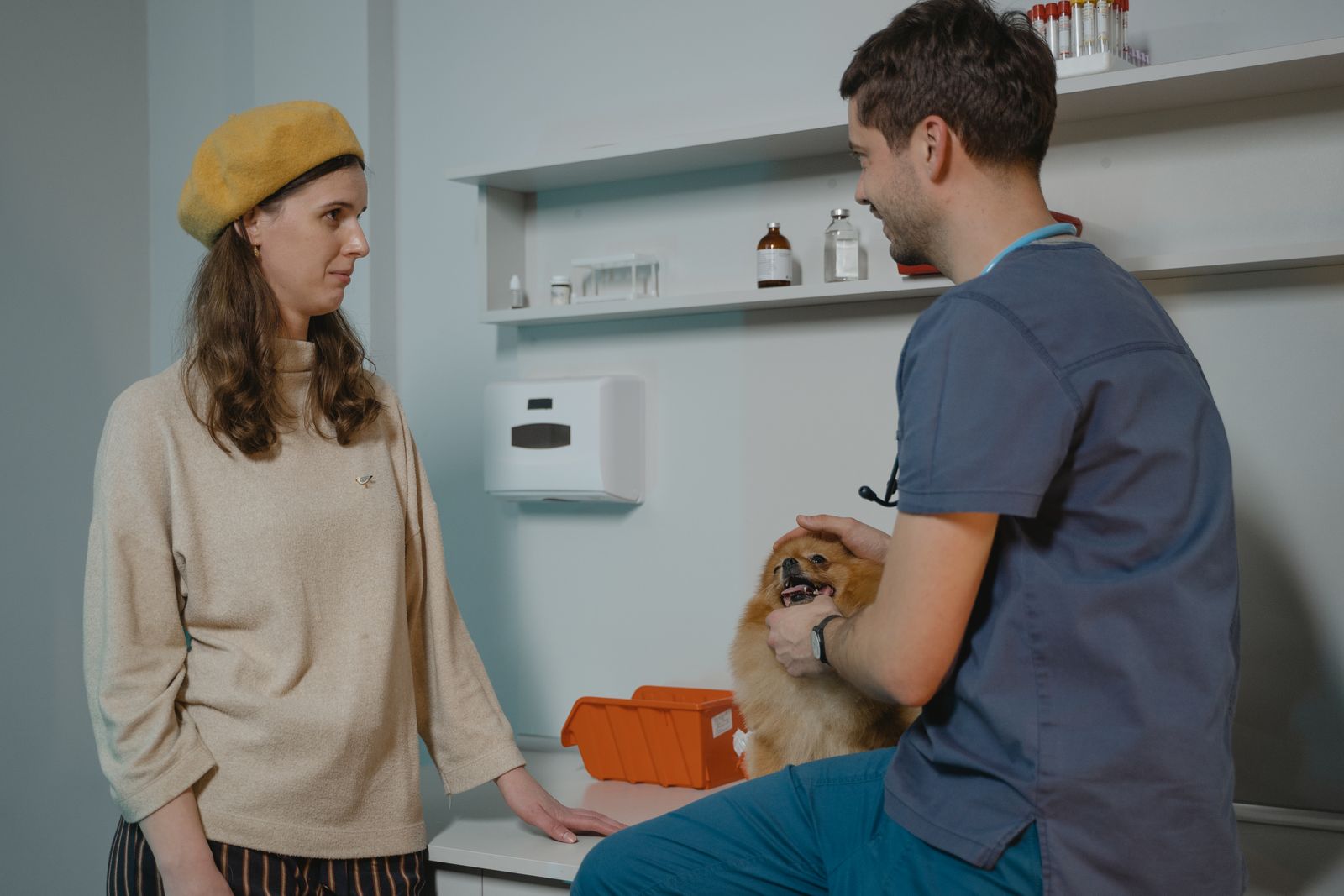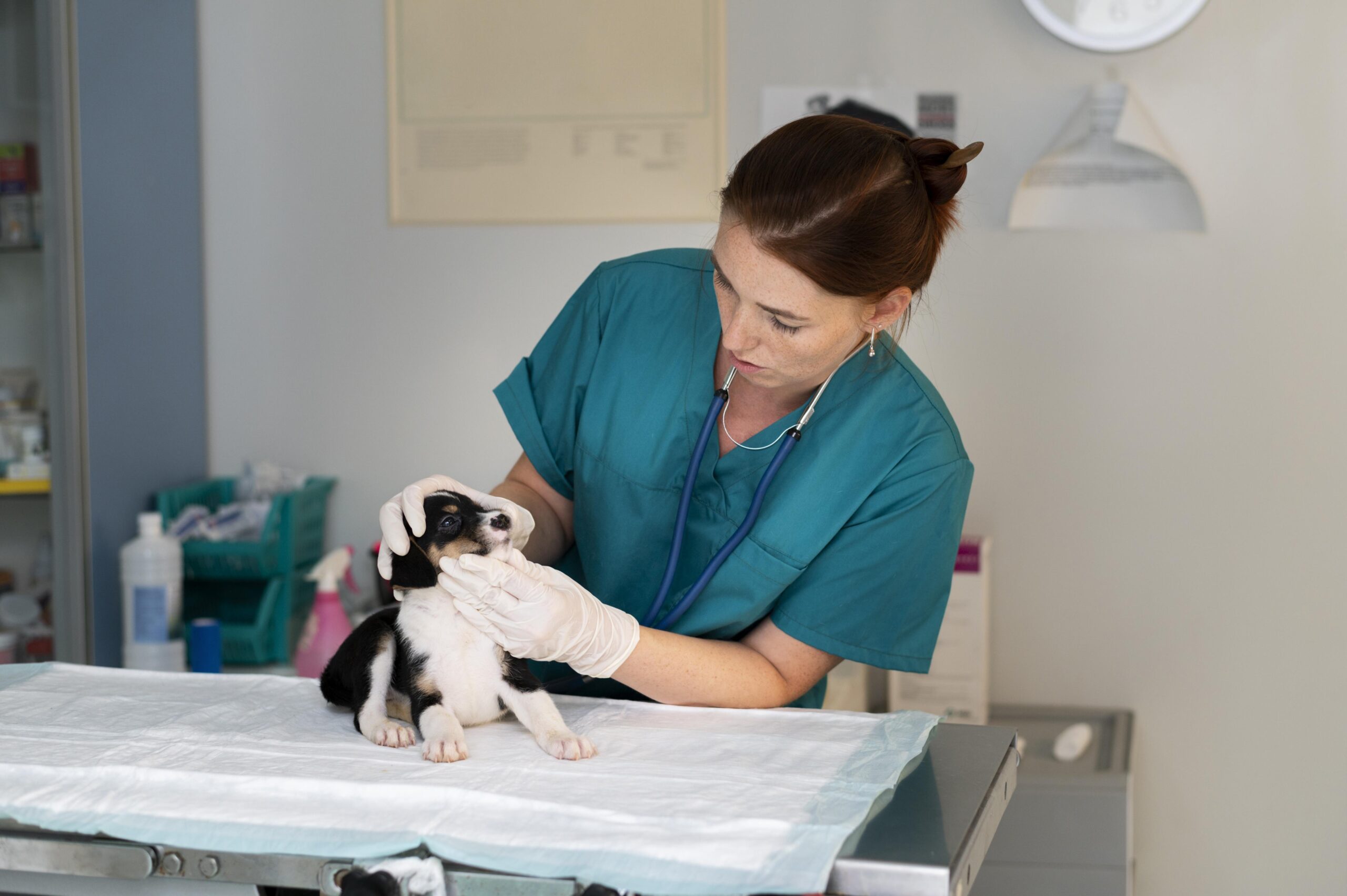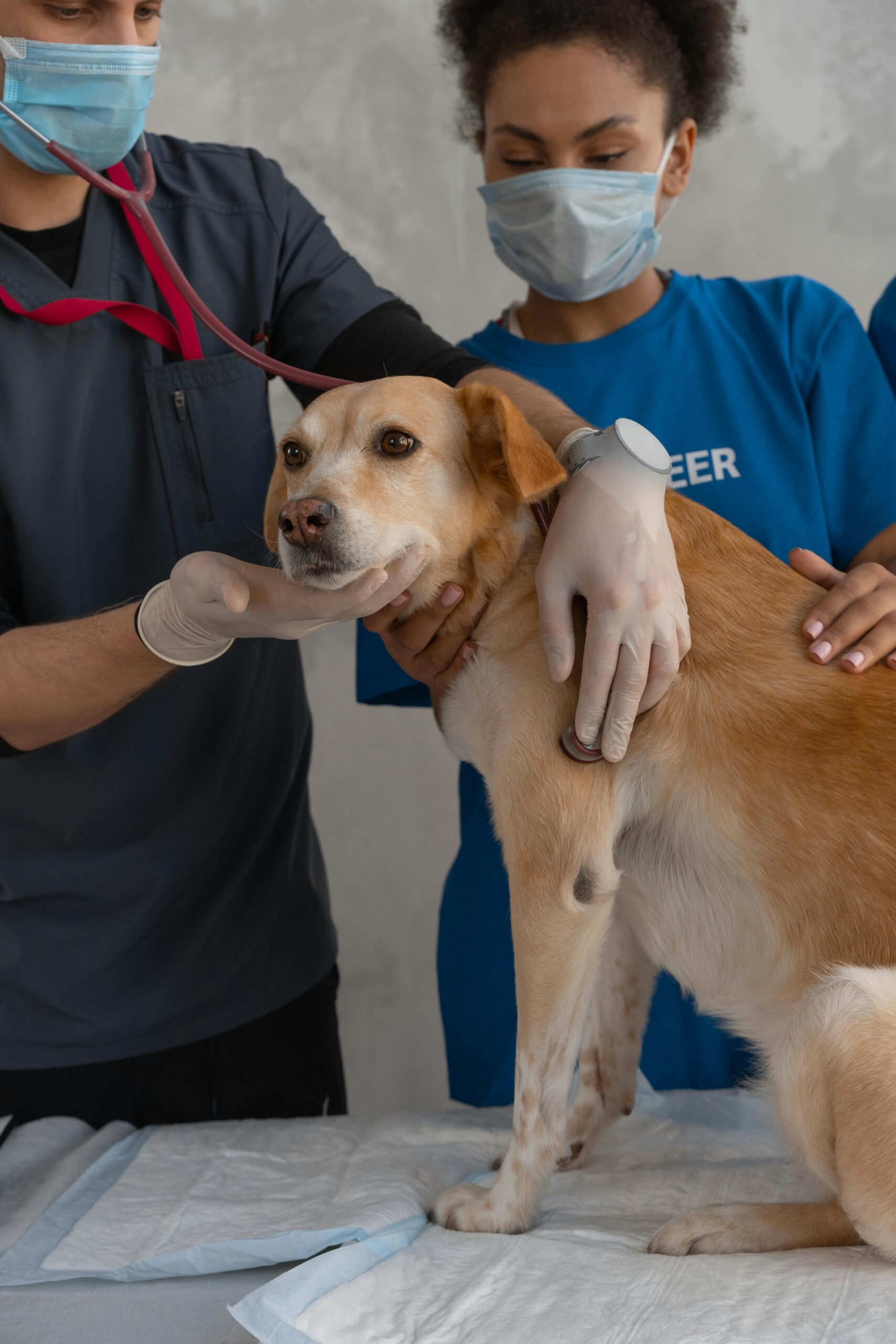
The Veterinary Awards celebrated outstanding contributions in the veterinary profession on March 6, 2026, showcasing excellence and leadership, especially among women veterinarians. This event highlighted the pressing challenges of workforce shortages and the increasing demand for after-hours services in veterinary clinics across Australia.
Honoring Excellence in Veterinary Care
The Veterinary Awards not only recognized individual achievements but also highlighted team efforts that lead to improved patient care. Every award represents a commitment to excellence in various specializations, including general practice, urgent care, and emergency veterinary services. For example, emergency veterinarians who excel in high-pressure situations reflect the urgency of providing care amidst rising incident rates.
Addressing Workforce Challenges
The veterinary field faces significant workforce challenges, including high caseloads and shortage of qualified professionals. These issues can drain clinical staff and affect patient care quality. Associate veterinarians and general practice veterinarians often find themselves working overtime, leading to burnout and reduced job satisfaction. As the demand for urgent care veterinarians and critical care veterinarians increases, clinics must explore operational strategies that streamline workloads and improve efficiency.
- Implementing technology for better scheduling
- Improving communication within teams
- Encouraging mentorship and continuous education
Such strategies can help veterinary clinics manage the stress of high caseloads while ensuring quality patient care. For instance, critical care veterinarians can benefit from efficient workflow processes to handle emergencies better, which in turn fosters a supportive workplace culture and helps retain staff.
Expanding Roles and Specializations
As veterinary medicine evolves, so do the opportunities for specialization. The Veterinary Awards also brought attention to the growing significance of shelter veterinarians and community medicine veterinarians, who play crucial roles in animal welfare. Their contributions impact public health and community relationships with local veterinary services.
Recognizing these roles not only uplifts individual veterinarians but also emphasizes the need for collaboration among various stakeholders in animal care. By fostering environments where both food animal veterinarians and mixed animal veterinarians can succeed, clinics benefit from a more robust workforce capable of managing diverse cases.
Supporting Women’s Leadership in Veterinary Medicine
The spotlight on women in veterinary leadership at the Veterinary Awards demonstrates progress but highlights ongoing gaps. Encouraging female veterinarians, from board-certified veterinary internal medicine specialists to emerging practitioners, builds a more inclusive profession. Mentorship programs can enhance leadership pathways and tackle the barriers these professionals still face.
Conclusion
The 2026 Veterinary Awards serve as a reminder of the excellence present in the veterinary profession. As clinics navigate workforce shortages and increased demand, proactive measures will be essential for both staff retention and quality patient care. The Pulivarthi Group stands ready to assist veterinary clinics in accessing hard-to-find talent across various roles. By partnering with us, clinics can strengthen their teams with dedicated specialists, ensuring comprehensive care for patients and fostering a sustainable workforce.