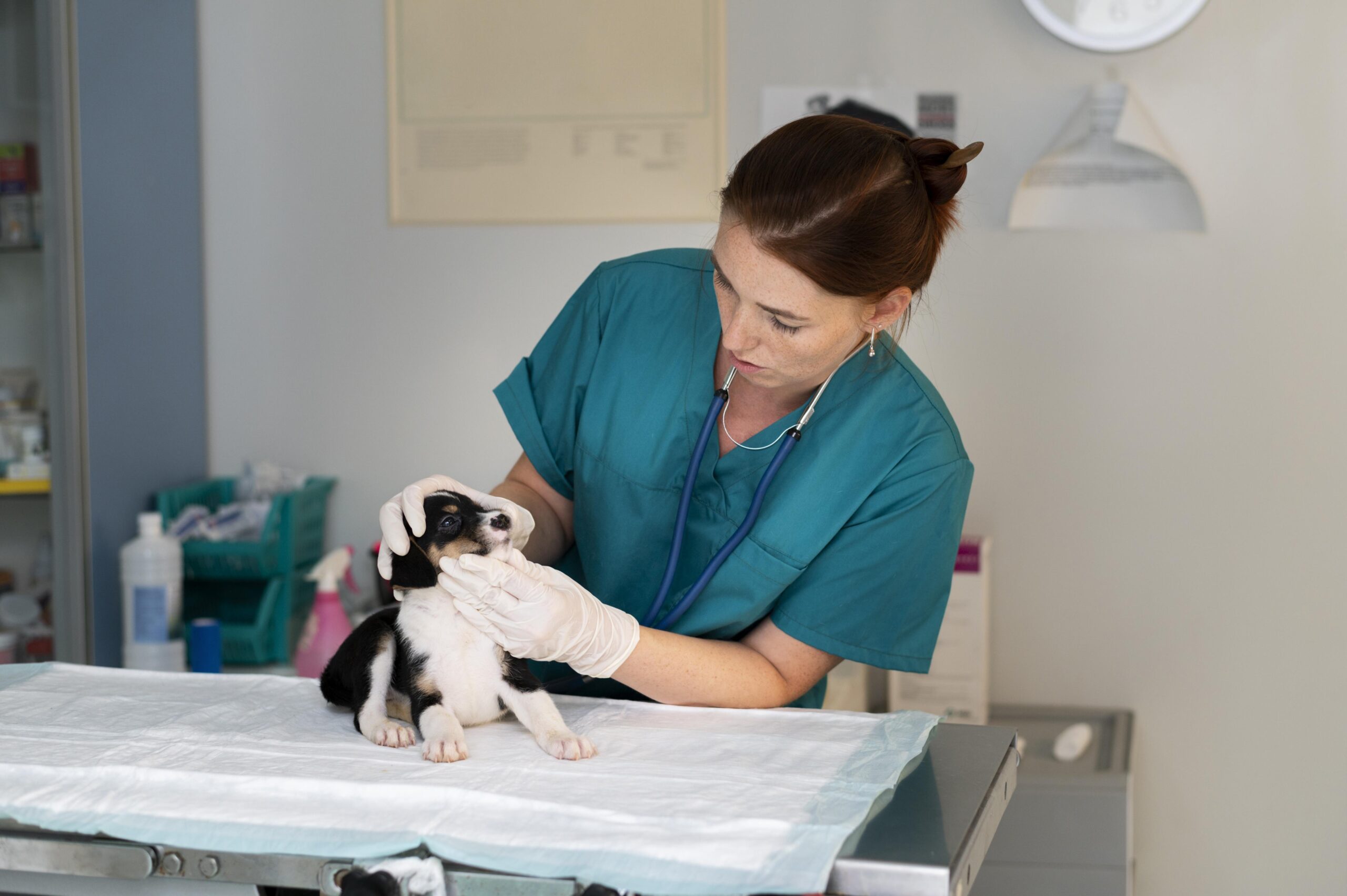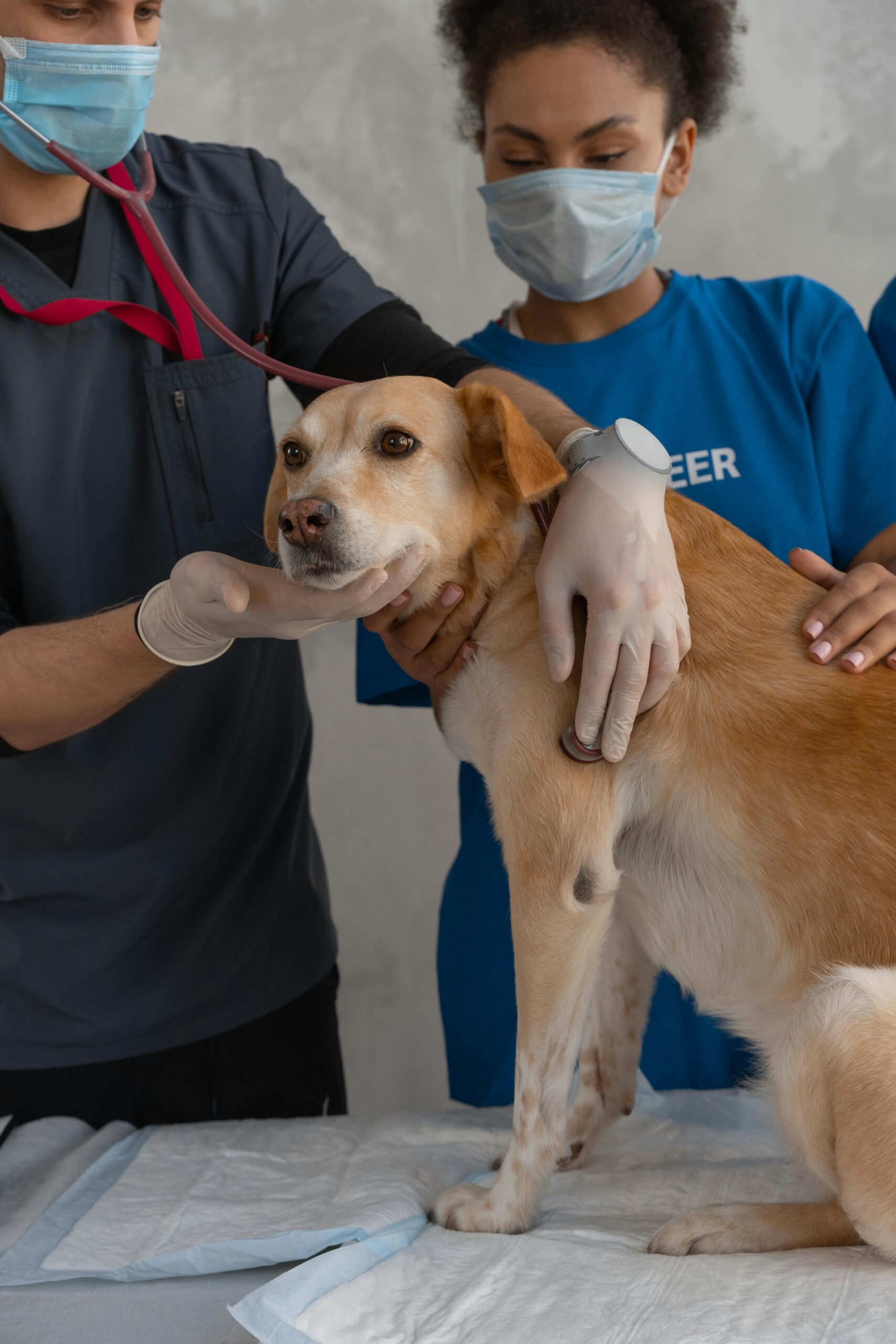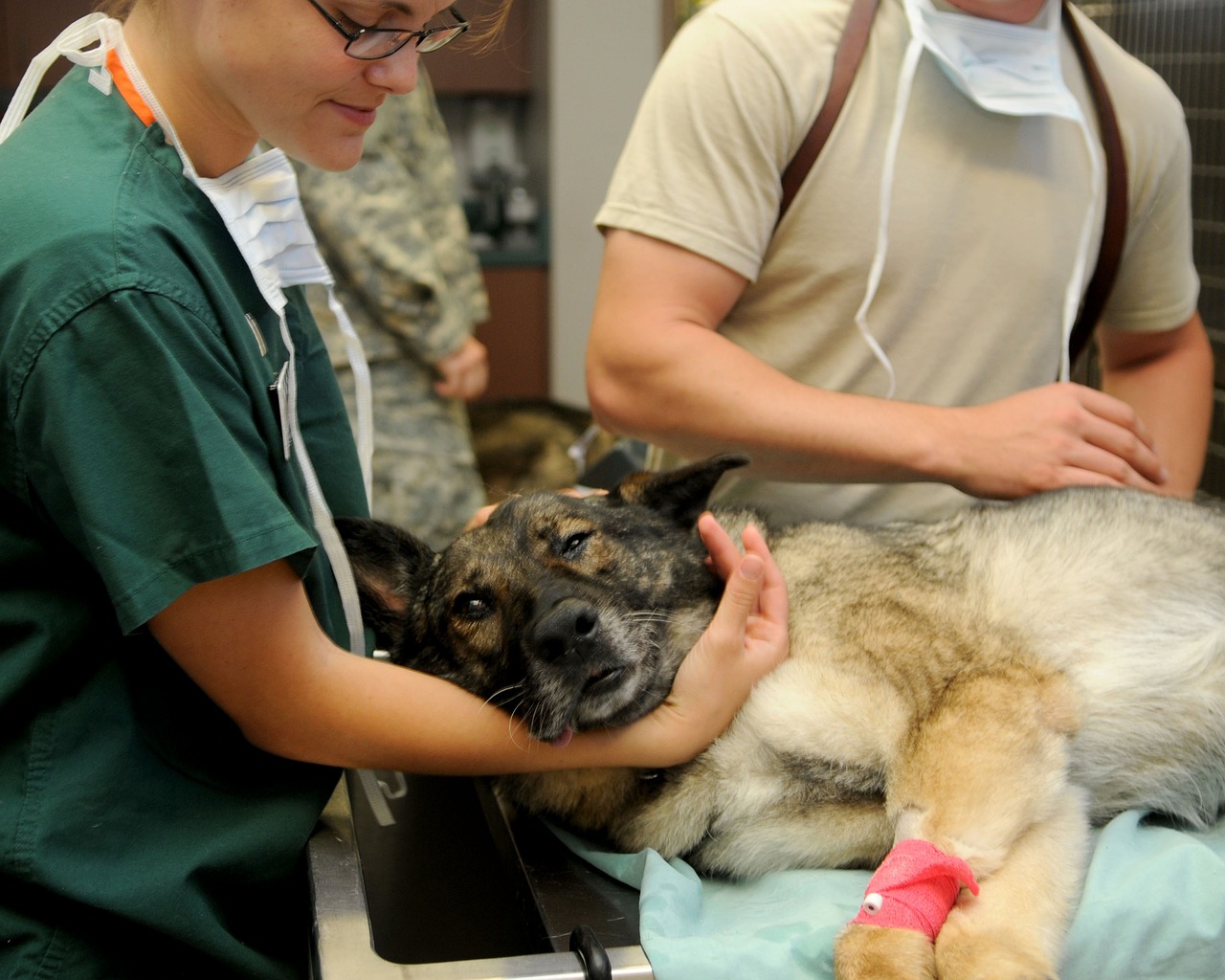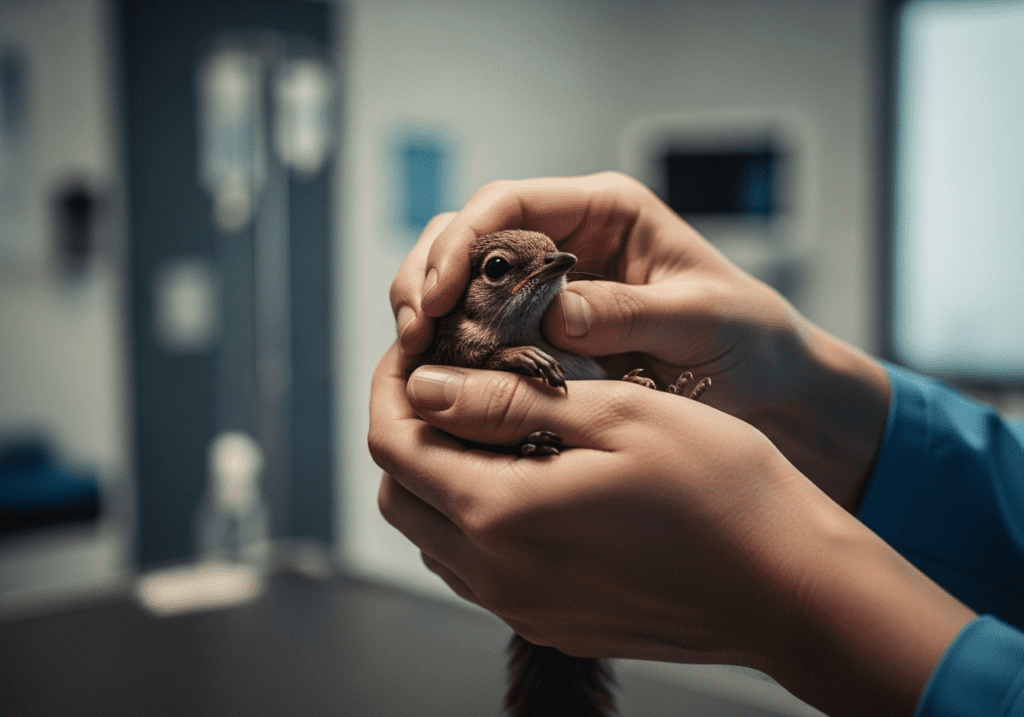
Wildlife rehabilitation is a critical aspect of veterinary care that often requires immediate attention. As veterinarians and clinical staff, understanding how to handle sick or injured wildlife can enhance patient care and contribute to local biodiversity. This blog post highlights the best practices for managing wildlife patients and presents the key challenges and considerations for veterinary clinics.
Understanding Wildlife Rehabilitation
Wildlife rehabilitation involves providing care to sick, injured, or orphaned wild animals with the ultimate goal of releasing them back into their natural habitats. Veterinary clinics play a vital role in this process. This task presents unique challenges, as wildlife often requires specific treatment protocols that differ from traditional pet care. For example, knowing the appropriate dosages of medications for various species is crucial.
Key Challenges in Handling Injured Wildlife
Veterinarians, particularly those in urgent care or emergency positions, may frequently encounter injured wild animals. One challenge is the initial assessment of the animal’s condition. Immediate interventions are essential, as many wildlife species are stressed and can deteriorate quickly. Moreover, understanding local wildlife species and their unique needs can significantly affect treatment plans.
- Assessment of injury type—fractures, trauma, or illness.
- Understanding species-specific behavioral traits.
- Creating a rehabilitation plan that includes nutrition, veterinary care, and environmental considerations.
Veterinary Clinics: Best Practices for Care
Developing a protocol for wildlife emergencies is vital. First, utilize a triage system to prioritize care. For instance, urgent care veterinarians should focus on stabilizing the patient before initiating further treatment. Veterinary Internal Medicine Specialists can provide valuable guidance on complicated cases, ensuring comprehensive care.
In addition, maintaining communication with local wildlife rehabilitators and shelters can streamline the referral process. Shelters often have experience with local species and can advise on the safest handling methods and care requirements. This collaboration enhances the support network available for wildlife and reinforces community responsibility.
Clinical Implications of Wildlife Rehabilitation
Integrating wildlife care into your veterinary practice can benefit overall operations. By establishing protocols, training staff, and cultivating community partnerships, your clinic can provide timely and effective treatment for wildlife. This not only improves patient outcomes but enhances your clinic’s reputation.
Furthermore, providing ongoing education about wildlife rehabilitation can empower staff at all levels. For instance, Mixed Animal Veterinarians often work with a diverse array of species and can share insights on handling specific cases. Continuous learning through workshops or seminars will prepare your team to deliver high-quality care in urgent situations.
Advantages of Wildlife Rehabilitation for Veterinary Practices
Engaging in wildlife rehabilitation offers numerous advantages beyond patient care. It positions your clinic as a local authority on animal care and shows commitment to environmental stewardship. Moreover, it can foster a sense of fulfillment among your staff, leading to increased job satisfaction.
For private practice owners, advocating for wildlife rehabilitation can attract new clients interested in responsible animal care. Clients often look for veterinary services that demonstrate a broader understanding of animal welfare, including wildlife.
Conclusion
Caring for sick or injured wildlife requires expertise and compassion. By implementing structured protocols, collaborating with wildlife organizations, and continuing education, veterinary clinics can effectively manage these cases. Relationships between clinics and wildlife rehabilitators strengthen the community and help local wildlife.
At Pulivarthi Group, we understand the importance of this work. Our staffing solutions can connect you with skilled veterinarians in various specialties, from Associate Veterinarians to Board-Certified Veterinary Internal Medicine Specialists (DACVIM). Together, we can enhance your team’s capabilities in wildlife rehabilitation and ensure that your clinic is equipped to provide the best care possible.