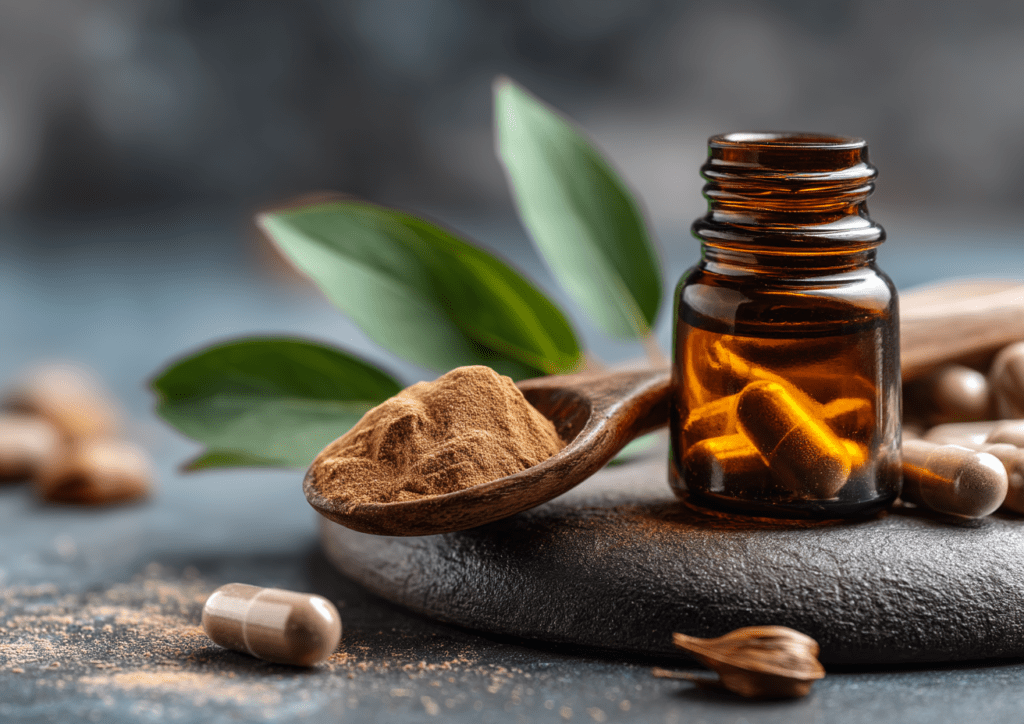
The rising rates of adolescent depression pose significant challenges for mental health providers. Traditional pharmaceutical treatments often come with side effects that discourage both providers and families. Consequently, there’s a pressing need for effective alternatives. Recent studies on Ashwagandha suggest that this natural remedy may offer a promising solution for adolescents struggling with depression.
Understanding Ashwagandha and Its Benefits
Ashwagandha, an adaptogenic herb, has gained attention for its potential therapeutic effects in mental health. Research has shown that this herbal remedy can reduce stress and anxiety, which are often precursors to depressive symptoms. In a study involving adolescent rats exposed to chronic stress, those treated with Ashwagandha exhibited significant reductions in depressive behaviors. This finding suggests that it may also help adolescents manage the physiological effects of stress.
Addressing Key Challenges in Adolescent Depression Treatment
Providers face multiple challenges in treating adolescent depression, particularly regarding the limitations and side effects of conventional medications. Side effects from antidepressants can lead to non-compliance and reluctance to seek help. Thus, exploring alternatives such as Ashwagandha is crucial. This natural treatment option could provide a more tolerable and effective route for patients.
Moreover, mental health clinics, rehab facilities, and specialty care centers are often on the forefront of integrating new treatments. By offering Ashwagandha as part of their therapeutic arsenal, these facilities can improve patient engagement and outcomes while also addressing the unique challenges posed by adolescent mental health.
Operational Implications and Implementation
For mental health practices considering the introduction of Ashwagandha, it is vital to establish protocols for its use. Clinical leaders must evaluate dosage and delivery methods. For example, administering Ashwagandha capsules may simplify compliance for adolescents. Integrating educational materials about its benefits and potential side effects into treatment plans will also help clinicians foster informed discussions with patients and families.
Moreover, mental health professionals such as Licensed Clinical Social Workers (LCSWs) and Clinical Psychologists can play pivotal roles in monitoring patients’ progress with Ashwagandha. They can assess how it interacts with existing treatments and adjust care plans accordingly.
Regulatory Considerations and Future Directions
Exploring any new treatment requires attention to regulatory considerations. In Turkey, where traditional practices and modern medicine often intertwine, Ashwagandha’s integration may be met with both enthusiasm and scrutiny. Therefore, mental health professionals must remain informed about relevant regulations governing the use of herbal supplements.
As research continues to evolve, understanding the side effects of Ashwagandha alongside its benefits becomes essential. Engaging in ongoing education will help practitioners address patient concerns and comply with best practices. Furthermore, as mental health conditions change over time, adapting treatment options will ensure that clinicians can offer the most effective care.
Conclusion
With the growing interest in natural remedies, Ashwagandha emerges as a potential hope for managing adolescent depression. Mental health providers have the opportunity to explore its benefits and integrate it safely into their treatment strategies. As facilities strive to enhance clinical care delivery and patient outcomes, partnering with staffing agencies like Pulivarthi Group can provide access to specialized mental health professionals. This includes Clinical Psychologists, PMHNPs, BCBAs, Psychiatric PA-Cs, LCSWs, and Psychiatrists who are equipped to leverage new treatment modalities. Together, we can improve mental health care for adolescents and foster wellness in our communities.