

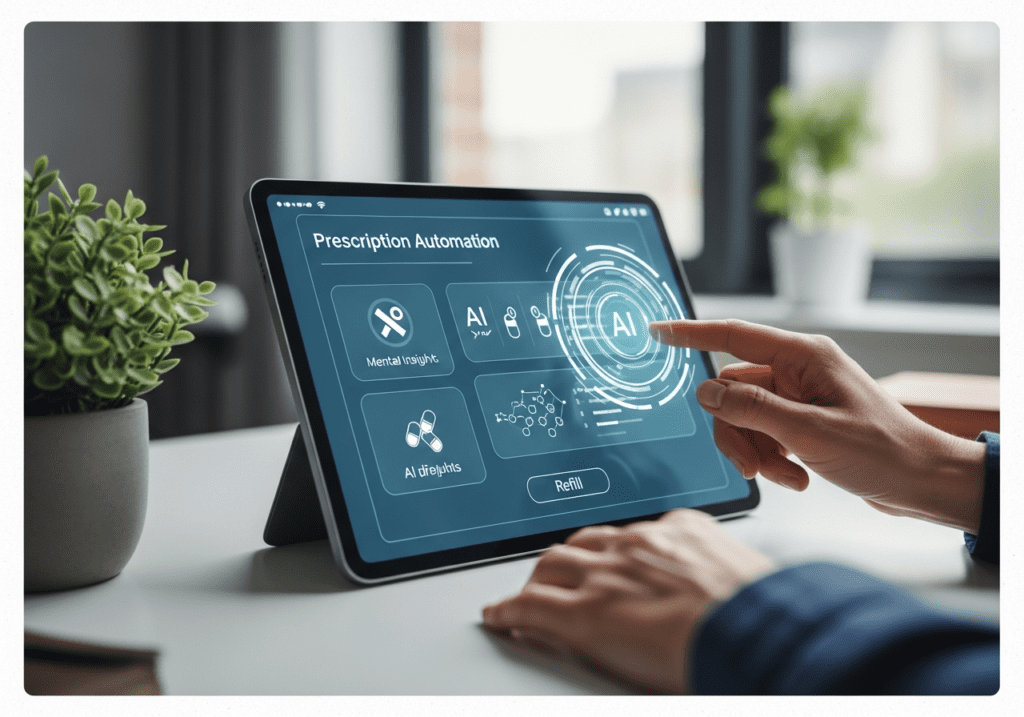
The integration of AI in behavioral health is transforming various aspects of care delivery, particularly in prescription management. The anticipated launch of an AI-powered behavioral health prescription renewal program in Utah next month marks a significant milestone in addressing the shortage of behavioral health providers. This program, initiated by Legion Health, automates the medication refill process for psychotropic drugs, promising to streamline operations in clinics and enhance patient outcomes.
Addressing Provider Shortages with Automation
One of the most pressing challenges in the mental health industry today is the shortage of behavioral health providers. Facilities, ranging from outpatient clinics to inpatient rehabilitation centers, often struggle to keep up with demand. As a result, clinical teams find themselves overwhelmed with administrative tasks like managing prescription renewals.
This overload can detract from the time available for direct patient care. For instance, a Clinical Psychologist may find that the time spent on administrative duties reduces their ability to conduct thorough patient assessments. The introduction of AI-driven solutions aims to alleviate this burden, thereby allowing providers to focus more on patient interaction.
Implications for Clinical Settings
The implications of AI in prescription management differ markedly across various care settings. In outpatient clinics and telepsychiatry models, AI can facilitate seamless prescription refills, reducing delays in care. For example, a Psychiatric Mental Health Nurse Practitioner (PMHNP) can leverage these tools to ensure their patients receive timely access to necessary medications, thus supporting better clinical outcomes.
- Improved prescription accuracy and reduced medication errors.
- Enhanced patient engagement through timely notifications for refills.
- Operational efficiency by automating routine tasks.
Similarly, in rehabilitation facilities, where patient monitoring is critical, AI tools can assist providers in tracking medication adherence. This streamlining of processes not only enhances efficiency but also ensures that patients are receiving the correct medication without unnecessary delays.
Adapting to Industry Trends and Regulations
As the behavioral health landscape evolves, so do regulatory considerations. The introduction of AI systems for prescription renewals will require compliance with existing health regulations and data protection laws. Providers and administrators must stay informed about these regulations to prevent potential legal pitfalls.
Mental health facilities can benefit from ongoing education regarding AI technologies, understanding how to incorporate these innovations while adhering to compliance frameworks. For instance, Licensed Clinical Social Workers (LCSWs) should familiarize themselves with how AI can enhance case management without compromising patient confidentiality or care quality.
The Future of Medication Management in Mental Health
The upcoming pilot program in Utah serves as a promising example of how AI behavioral health applications can reshape clinical practice. The anticipated outcomes of this program include not only enhanced operational efficiency but also increased patient satisfaction and continuity of care. As automated systems take over routine tasks, clinical teams can redirect their energy towards more complex patient needs.
Moreover, with AI handling prescription renewals, the likelihood of patients missing their medication doses decreases significantly. This proactive approach fosters better mental health outcomes and encourages adherence to treatment plans.
Conclusion
As the landscape of behavioral health continues to embrace technological advancements, organizations must stay ahead of these trends. Pulivarthi Group stands ready to assist mental health clinics and facilities in navigating these changes. By connecting establishments with skilled professionals—ranging from Clinical Psychologists to PMHNPs—we help alleviate the burdens posed by provider shortages. Our commitment is to support healthcare facilities by ensuring they have the necessary mental health professionals to provide optimal care across various settings.

