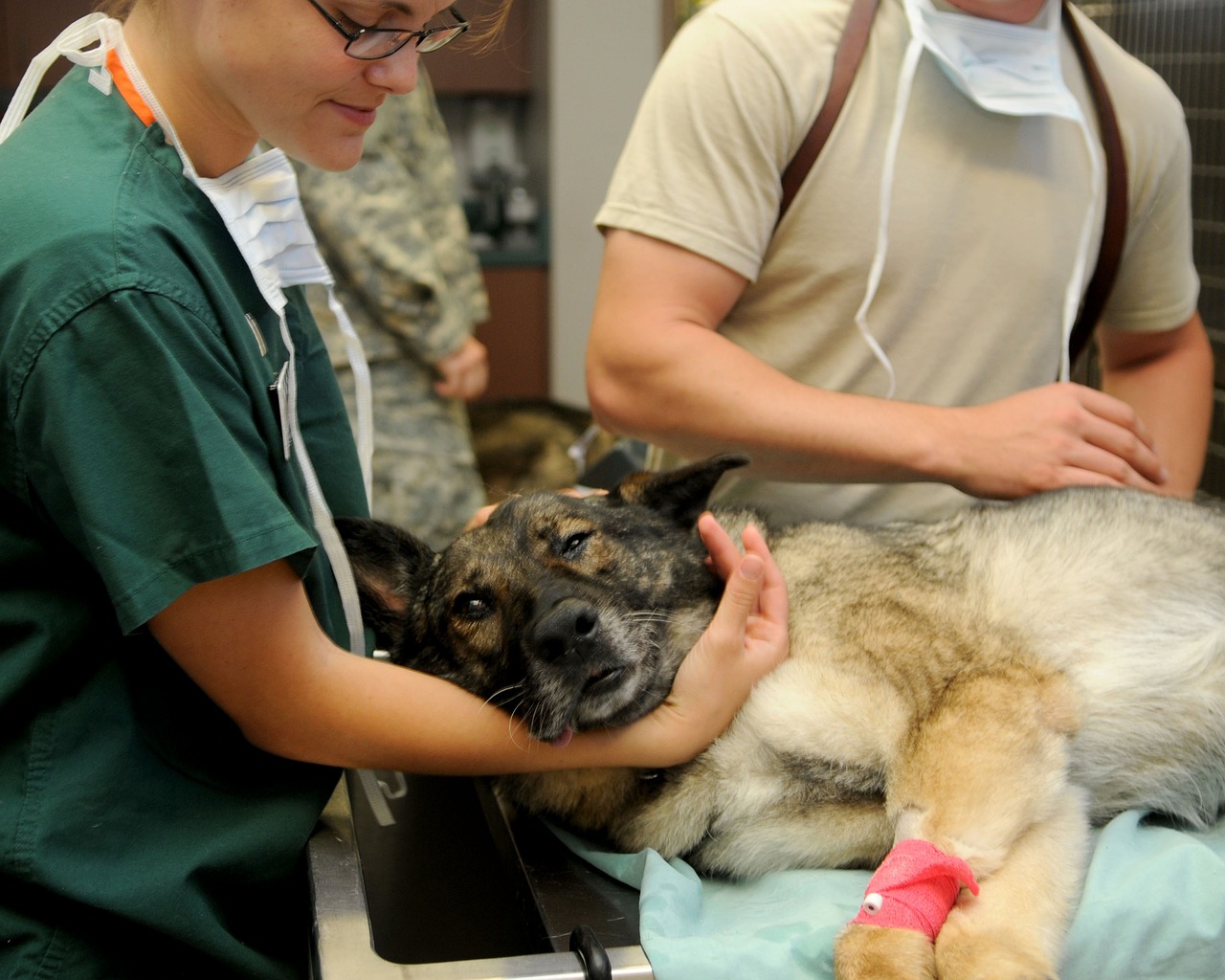
The field of veterinary science is experiencing remarkable advancements that enhance animal health care. These developments aim to address critical challenges, particularly emerging diseases and evolving treatment protocols. For veterinarians and clinical staff, understanding these advancements is essential for effective practice and patient care.
Understanding Emerging Diseases
Emerging diseases represent a significant challenge in the veterinary landscape. Issues such as zoonotic infections can impact both animal and human health. Therefore, timely identification and intervention are crucial. General practice veterinarians must stay abreast of prevalent diseases in their regions, utilizing resources like veterinary journals and clinical updates to remain informed.
For example, the increasing incidence of Valley fever poses risks to domestic animals in specific geographic areas. As a result, practitioners need to implement proactive screening efforts to identify and treat cases promptly. This vigilance is crucial in veterinary clinics where the mix of patients varies from dogs and cats to food animals requiring different management strategies.
Advancements in Treatment Protocols
Veterinary science continues to evolve with new treatment methodologies. Home care programs, telemedicine, and advancements in diagnostic imaging contribute significantly to patient outcomes. Urgent care veterinarians, for instance, can now utilize rapid diagnostic tools, aiding in prompt treatment decisions. Thus, integrating these tools into practice enhances efficiency and patient care quality.
Moreover, board-certified veterinary internal medicine specialists are leading the charge in refining treatment protocols for complex cases. Their expertise ensures a deeper understanding of diseases like diabetes in pets, leading to customized treatment plans that optimize animal health.
Operational Efficiency in Veterinary Clinics
Operational efficiency is critical for veterinary clinics aiming to improve service delivery and patient outcomes. Utilizing practice management software can streamline appointment scheduling, patient records, and billing processes. This efficiency allows veterinarians to allocate more time to clinical care rather than administrative tasks.
In addition, adopting a teamwork approach improves workflow. Emergency veterinarians often work alongside technicians to manage critical care cases efficiently. This collaboration ensures that all team members are aligned, improving response times during emergencies.
Industry Trends Affecting Veterinary Practices
As veterinary science advances, several trends merit attention. The increasing role of technology, such as AI-driven diagnostic tools, transforms how veterinarians evaluate cases. For community medicine veterinarians, these technologies can help address public health concerns through predictive analytics, identifying disease outbreaks in animal populations.
Furthermore, mixed animal practitioners face unique challenges as they deal with a wide range of species. Incorporating new veterinary science strategies can help them adapt to changing industry demands while ensuring comprehensive care for all animal types.
Workforce Realities in Veterinary Healthcare
The veterinary workforce is changing. As demand for animal healthcare increases, recruitment and retention of skilled professionals become essential. Practices often struggle to find qualified candidates across various roles, including associate veterinarians and critical care veterinarians. This challenge can lead to increased workloads for existing staff and affect overall clinic efficiency.
Veterinary clinics must consider these realities when creating work environments that attract talent. For instance, offering mentorship programs can benefit new veterinarians while enhancing team dynamics. This strategic approach fosters professional growth and can lead to better patient care outcomes.
Conclusion
In conclusion, the field of veterinary science is making significant strides in addressing key challenges in animal health care. From advancements in treatment protocols to understanding emerging diseases, veterinarians are better equipped to manage patient care effectively. Pulivarthi Group stands ready to assist veterinary clinics in accessing the hard-to-find talent needed to enhance these efforts. By connecting clinics with qualified professionals, we help build a robust veterinary workforce capable of meeting the demands of modern practice.