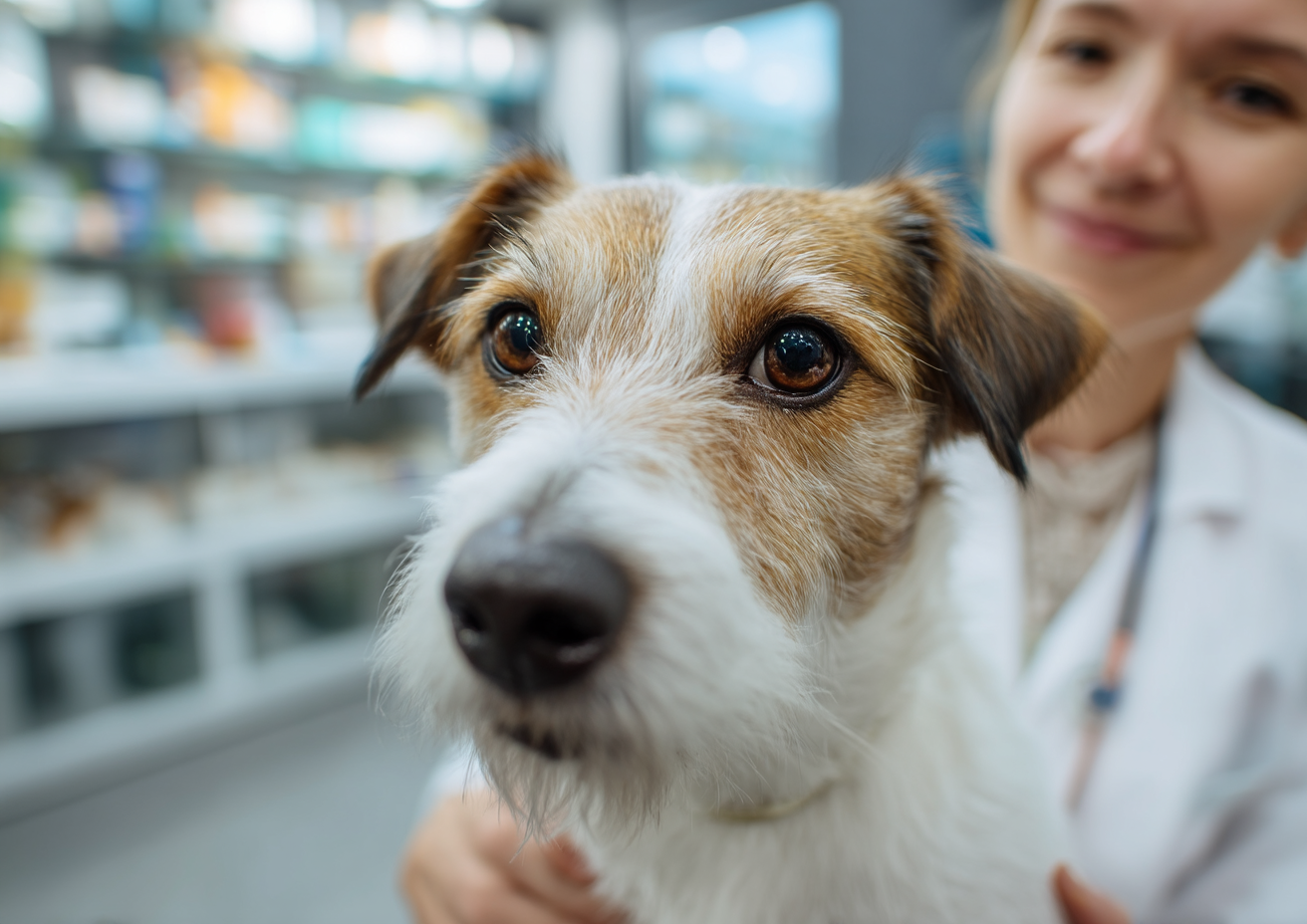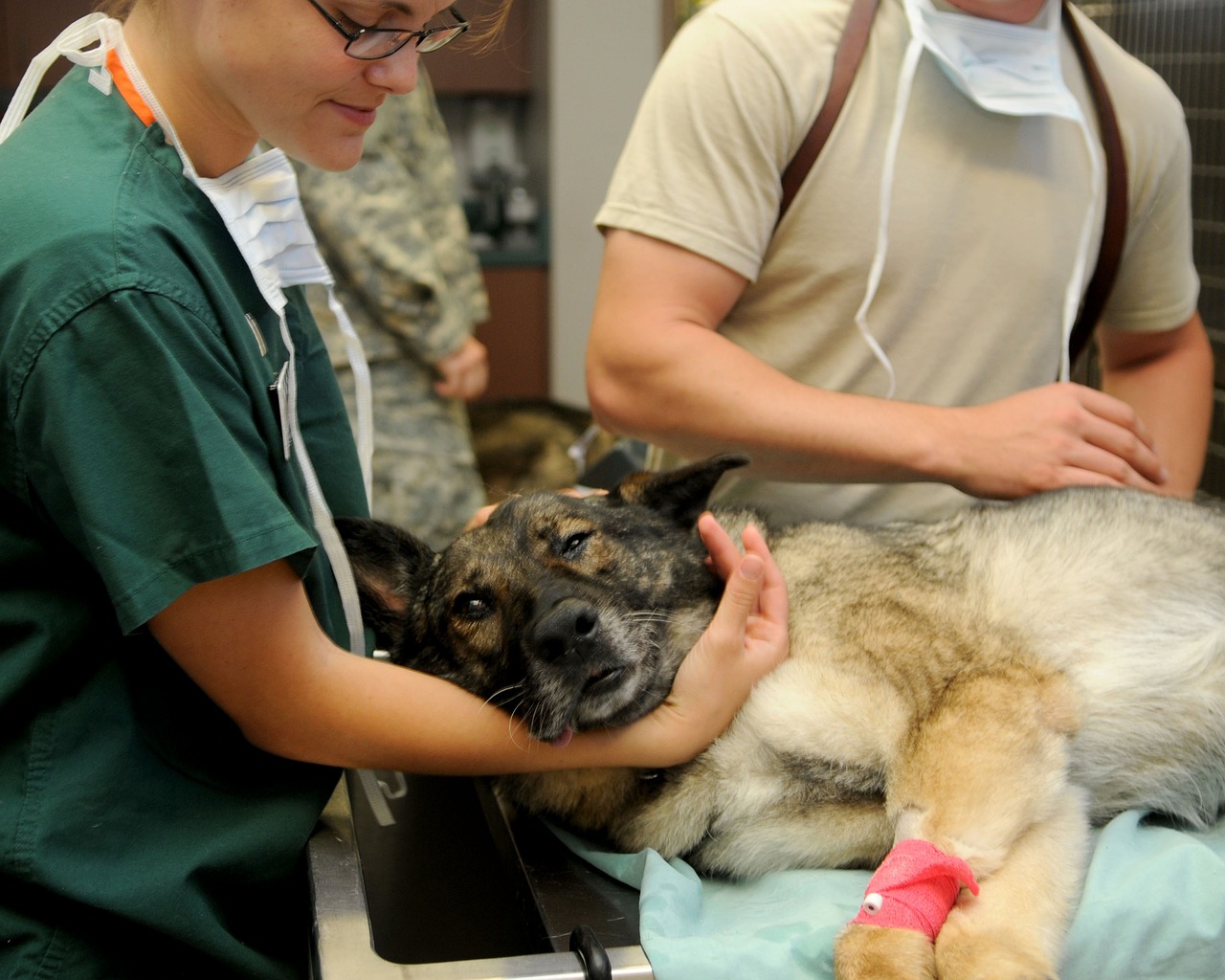
The ability to perform intraosseous catheter placement is an essential skill in veterinary emergency medicine. This technique provides crucial circulatory access in patients with difficult venous access. For example, it is particularly beneficial in small animals, including neonates or pets that are severely dehydrated or in shock. By understanding the intricacies of this emergency procedure, veterinary professionals can enhance their ability to deliver timely and effective medical intervention.
Understanding Intraosseous Catheters
An intraosseous catheter is a device that allows for the delivery of fluids, medications, and blood products directly into the bone marrow. This method provides several advantages, especially in scenarios where traditional venous access is challenging. In veterinary emergency situations, rapid circulatory access can be life-saving, particularly in small animals who may deteriorate quickly without appropriate treatment.
Veterinary professionals face numerous challenges when dealing with difficult venous access. These challenges may include inadequate vein size, collapsed vessels, or even patient stress. Each of these factors can hinder effective treatment during critical moments. Thus, familiarity with intraosseous techniques can catalyze a highly effective response to emergencies.
Procedure for Intraosseous Catheter Placement
Before performing an intraosseous catheter placement in a clinical setting, it is vital to prepare adequately. Here are the steps involved in the procedure:
- Preparation: Ensure all necessary equipment is sterile and at hand. This includes the intraosseous catheter, sterile gloves, antiseptic solution, and an aspirin syringe.
- Site Selection: Common sites for insertion include the tibial plateau, the femur, and the iliac wing. Each site has its merits, so understanding the anatomy of the animal is pivotal.
- Insertion Technique: After cleaning the area, insert the catheter at a 90-degree angle to the bone surface. Ensure to aspirate to check for bone marrow, confirming proper placement.
- Secure the Catheter: Once inserted, secure the intraosseous catheter with tape to prevent displacement.
- Connect the IV Line: Finally, connect the catheter to an IV line for immediate access to fluids or medications.
Benefits of Intraosseous Catheters
Utilizing intraosseous access can greatly enhance the efficacy of emergency veterinary services. Here are key benefits:
- **Rapid Access:** Intraosseous placement allows for quicker administration of fluids and drugs in emergency situations.
- **Alternative to IV:** It provides an alternative when intravenous access fails or is not available.
- **Less Stressful for the Patient:** The procedure can often be performed with minimal sedation, reducing the overall stress for the animal.
Addressing Challenges with Intraosseous Catheterization
Veterinary professionals must confront several challenges when implementing intraosseous catheterization. For instance, improper technique can lead to complications such as bone fractures or infection. Therefore, training and practice are essential to mitigate these risks.
Experts recommend participating in workshops or simulation exercises to refine skills in placing intraosseous catheters effectively. With adequate training, professionals will be more adept at navigating emergency situations. Practicing on models can deepen understanding and boost confidence in real-life applications.
Real-World Applications in Emergency Situations
Consider a scenario where a small dog arrives at an animal emergency room in shock due to severe dehydration. Traditional venous access may be impossible due to small veins. In this instance, intraosseous catheter placement becomes invaluable. The veterinarian can rapidly administer fluids to stabilize the patient.
Such applications reinforce the necessity of intraosseous catheters in veterinary emergency care. Moreover, they demonstrate how essential skills can lead to better outcomes for patients. As an added benefit, mastering this technique offers a significant advantage in fast-paced environments.
Improving Emergency Preparedness
Veterinary clinics must continually enhance their emergency care capabilities. Adding intraosseous catheter training to continuing education programs is one way to ensure that staff are prepared for various emergencies. Regular drills, training sessions, and simulations can help maintain readiness and confidence in emergency skills.
Understanding the Demand for Veterinary Staffing Solutions
The increasing need for competent veterinary professionals reflects the demand for effective emergency care. In addition, high turnover rates in many veterinary clinics have created a challenging staffing environment, particularly during busy periods. This is where Pulivarthi Group’s staffing solutions come into play, matching qualified candidates with veterinary clinics needing skilled personnel.
Conclusion: Enhance Your Emergency Skills Today
In conclusion, mastering the technique of intraosseous catheter placement is vital for veterinary professionals. It equips them to handle challenging cases involving difficult venous access. By conducting routine training, clinics can prepare staff to effectively utilize this time-saving emergency procedure.
As an advocate for educational advancement in veterinary medicine, Pulivarthi Group encourages professionals to seek out resources and training opportunities to enhance their emergency care skills. Learn how to perform IO catheter placement effectively and become a more adept caregiver for your patients!