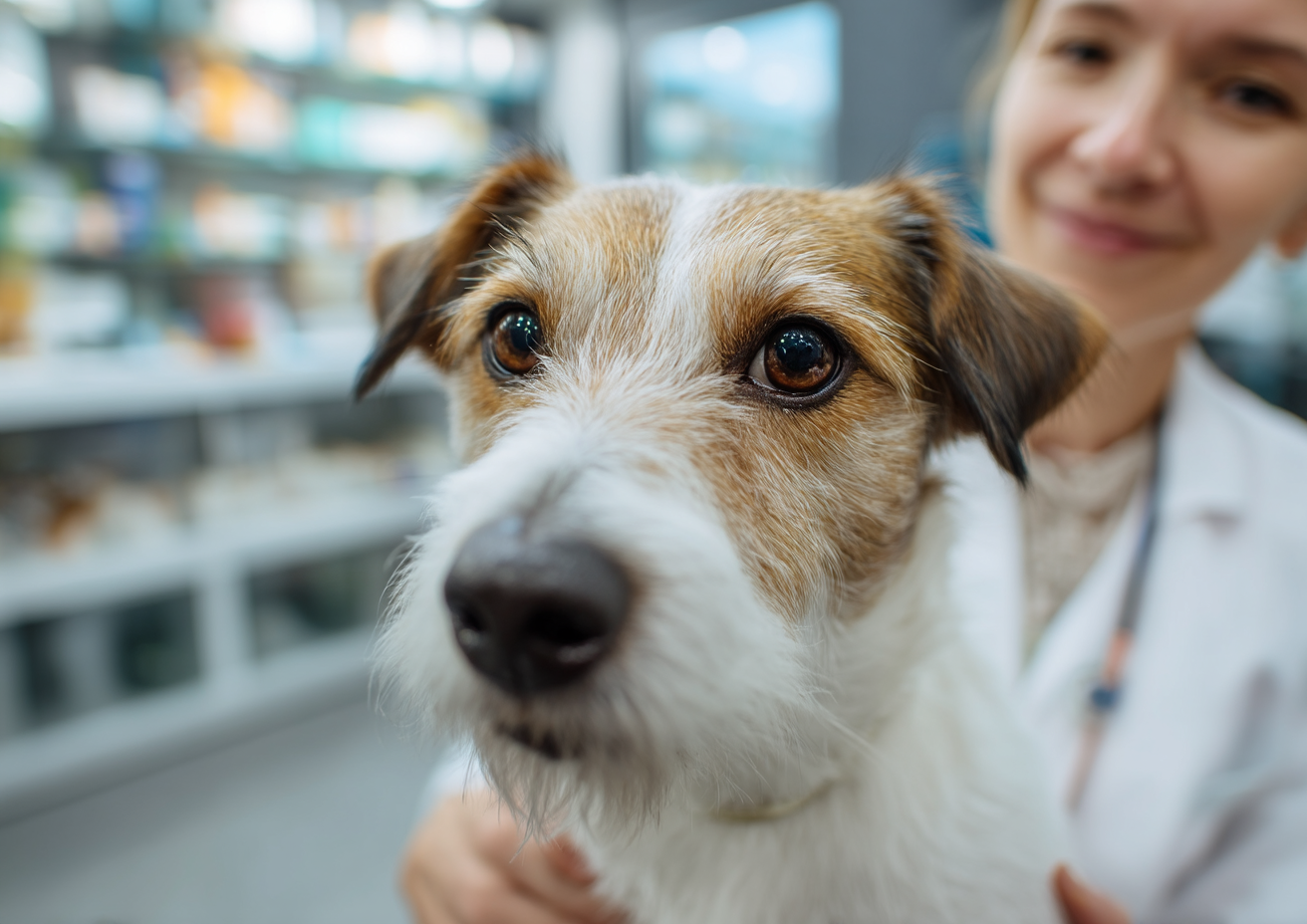
Sepsis is a life-threatening condition that affects countless dogs each year and warrants immediate medical attention. The timing of antibiotic administration in sepsis can significantly impact the outcomes for septic patients. Research shows that delays in antibiotic treatment dramatically increase mortality rates in septic dogs. Veterinary professionals must prioritize timely and appropriate antibiotic administration as a crucial part of effective sepsis management. In this post, we delve into the critical insights surrounding sepsis treatment in veterinary practice, specifically in the United States.
The Importance of Timeliness in Antibiotic Therapy
Antibiotic administration is vital in the management of sepsis, and timing is of the essence. According to the American College of Veterinary Emergency and Critical Care, studies indicate that early antibiotics can reduce mortality rates significantly. As such, timely intervention can mean the difference between life and death for many canine patients.
Veterinary clinics should implement protocols to ensure rapid response when sepsis is suspected. For instance, a well-defined sepsis protocol might include immediate fluid therapy, monitoring vital signs, and initiating antibiotic treatment within the first hour of diagnosis. This approach is supported by recent studies that reveal that prompt antibiotic administration reduces the risk of complications and speeds up recovery.
Understanding Sepsis in Dogs
What actually is sepsis? Sepsis occurs when the body’s response to an infection injures its tissues. It can arise from a variety of sources, such as bacterial infections, viral infections, or even fungi. Dogs with weakened immune systems or pre-existing health conditions are particularly vulnerable. In the realm of veterinary medicine, recognizing the signs of sepsis early is crucial for successful intervention. Symptoms can include fever, lethargy, and decreased appetite.
Data suggests that septic dogs have significantly higher mortality rates compared to non-septic dogs. Therefore, effective infection control strategies are essential not just for individual animals, but for the overall health of canine populations. As veterinary professionals, it’s our responsibility to ensure we are well-equipped with knowledge about appropriate antibiotic treatment and its timing.
Key Challenges in Antibiotic Administration
Veterinary professionals face several challenges when it comes to managing sepsis in dogs. One major issue is antimicrobial selection. With the rise of antibiotic resistance, selecting the correct antibiotics can prove complex. Surveys indicate that many veterinarians report discomfort in choosing appropriate therapies due to evolving drug resistance patterns.
- Understanding Antibiotic Resistance: Awareness of local resistance patterns can aid in choosing appropriate antibiotic treatments.
- Drug Therapy Complexity: With multiple options available, veterinary staff must be trained to navigate complex drug protocols effectively.
- Time Constraints: High caseloads in clinics can lead to delays in initiating treatment.
Moreover, recent research emphasizes that delays in treatment not only complicate clinical outcomes but also increase costs associated with prolonged hospital stays. Thus, addressing these challenges through effective staffing and training is critical.
Actionable Insights for Veterinary Professionals
To tackle these challenges, veterinary professionals must focus on continuous education and training. Having a clear, evidence-based protocol for sepsis management can be invaluable. Here are some best practices and actionable steps:
- Implement Rapid Response Protocols: Create written guidelines to facilitate immediate antibiotic initiation.
- Staff Training: Regularly train your team on sepsis identification and management techniques.
- Collaborate with Specialists: Consult with veterinary internal medicine specialists when necessary to ensure optimal treatment.
Additionally, clinics should consider investing in advanced technologies that provide real-time data and analytics on treatment outcomes. This has the potential to enhance decision-making and improve patient care.
The Role of Antibiotic Administration in Outcome Improvement
How does timely antibiotic administration affect outcomes in septic dogs? Research shows that administering the correct antibiotic within the first hour of recognizing sepsis can lead to a remarkable reduction in mortality. This insight underscores the importance of a swift clinical decision-making process.
Furthermore, monitoring patients closely after administering antibiotics ensures timely adjustments if required. Regular reassessment of the patient’s progress is vital for optimizing outcomes. If improvement is not seen within a specified timeframe, reconsideration of antibiotic therapy may be necessary.
Conclusion
In summary, timely antibiotic administration plays a critical role in managing sepsis in dogs. The challenges faced by veterinary professionals must be addressed through structured training and effective response protocols. Understanding the importance of quick and appropriate antibiotic use is essential to improve sepsis outcomes and reduce mortality rates in canine patients.
At Pulivarthi Group, we are committed to supporting veterinary professionals in enhancing their clinical practice through education and staffing solutions. We encourage you to stay informed and updated to ensure the best care for your patients. Subscribe to our newsletter for more insights and resources that can help you excel in managing sepsis and antibiotic protocols in your clinic.