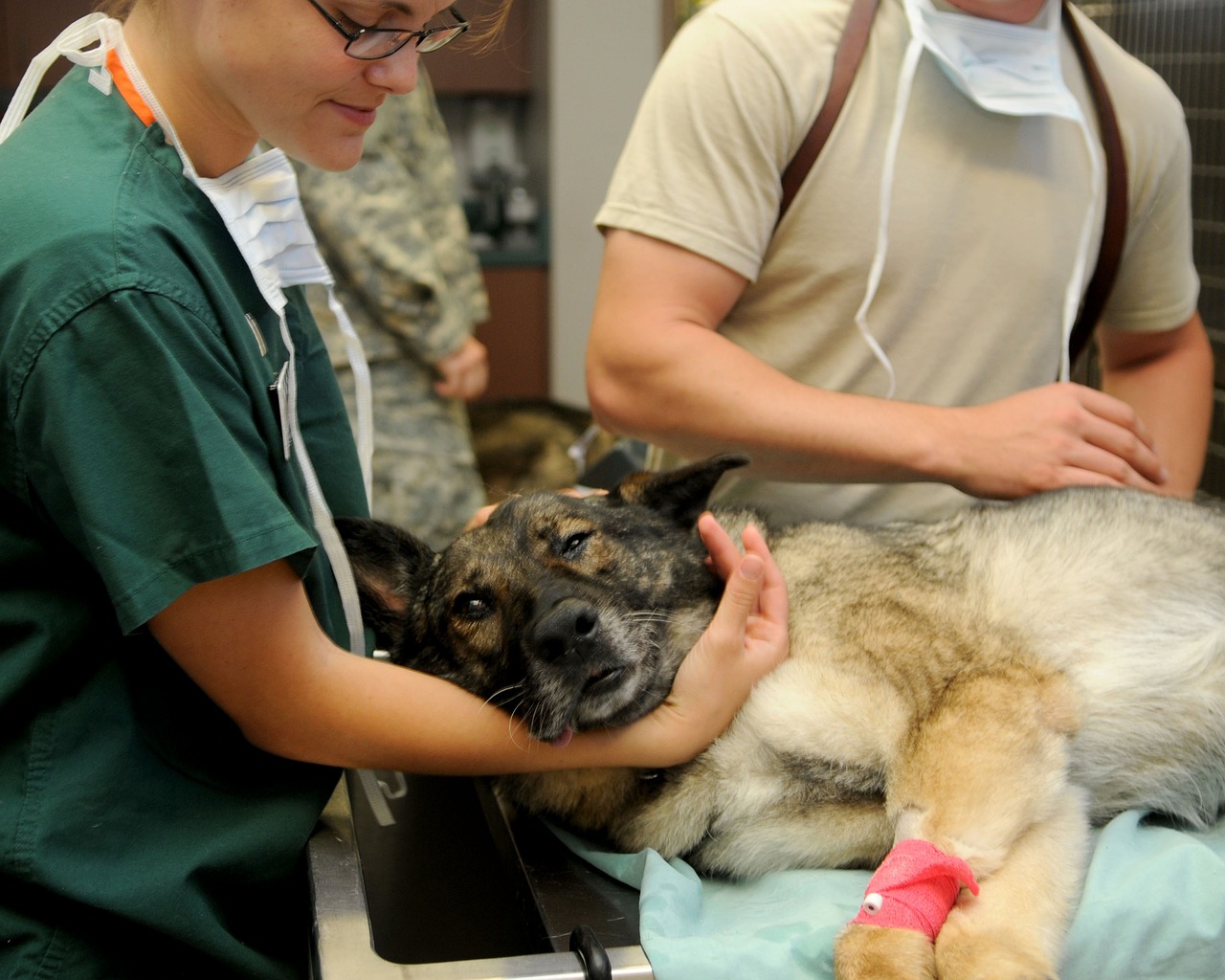
In a remarkable advancement for veterinary medicine, the WSU veterinary team recently achieved a milestone by successfully implanting a veterinary pacemaker in a dog. This innovative procedure marks a significant step forward in providing cardiac care for pets suffering from arrhythmias. Not only does this surgery enhance the quality of life for the animal, but it also showcases the growing capabilities within the field of veterinary cardiology.
Understanding Cardiac Care in Veterinary Practice
As veterinarians and clinical staff face increasing challenges in diagnosing and treating heart conditions in pets, understanding the implications of advanced procedures, such as pacemaker implantation, becomes crucial. Pet owners often seek solutions when their companions exhibit symptoms of cardiac distress. Conditions like arrhythmias can significantly impact a pet’s health and well-being. Thus, a comprehensive knowledge of veterinary pacemaker options plays a vital role in clinical practice.
Pacemaker Implantation: A Game Changer
The recent surgery performed by the WSU team emphasizes the importance of integrating advanced technology into veterinary practices. Pacemakers offer a viable solution for animals experiencing serious heart conditions, bridging the gap in cardiac care. In the case of the patient involved, which had been suffering from severe bradycardia, the surgical procedure provided a new lease on life.
- Improved Quality of Life: Pets with pacemakers can often resume normal activities post-recovery.
- Enhanced Prognosis: Early intervention leads to better outcomes for pets suffering from cardiac issues.
- Increased Awareness: Educating pet owners about signs of heart disease can lead to timely treatment.
Challenges Across Veterinary Roles
The roles of veterinary professionals can significantly affect how cardiac care is approached in practice. For instance, an urgent care veterinarian may encounter cases where immediate intervention is necessary, while a general practice veterinarian could be the first point of contact for routine check-ups and early detection of heart issues. Understanding these differences is imperative for ensuring that pets receive the right level of care.
Implications for Veterinary Practices
Implementing advanced cardiac treatments, such as pacemaker surgery, requires several considerations for clinics. For one, ongoing education in veterinary cardiology is essential. Training opportunities, such as workshops and continued education courses, enable clinicians to stay ahead of industry trends. Moreover, the integration of such surgical procedures into a clinic’s offering can also necessitate an evaluation of existing staff competencies and potential hiring of specialists.
- Staff Training: Invest in training to equip staff with necessary skills in cardiology.
- Utilizing Specialists: Collaborate with veterinary internal medicine specialists for complicated cases.
- Client Education: Provide pet owners with resources on cardiac symptoms and treatment options.
The Future of Veterinary Cardiology
As veterinary clinics consider adapting to advancements like pacemaker implantation, they must also stay attuned to ongoing developments in the field. Trends suggest that more clinics will adopt advanced surgical methods to respond to the increasing need for specialized care. Staying updated will help practices meet evolving client expectations and improve patient outcomes significantly.
Ultimately, the success of pacemaker implantation not only demonstrates the ingenuity of veterinary medicine but also emphasizes the need for veterinarians to remain engaged with emerging treatment options. The benefits of such innovations reinforce the importance of investing in veterinary cardiology.
Conclusion
As veterinary clinics in Washington State and beyond look to enhance their cardiac care offerings, understanding the implications of procedures like veterinary pacemaker implantation is paramount. Partnering with agencies like Pulivarthi Group can facilitate access to specialized talent across various veterinary roles—including Associate Veterinarians, Internal Medicine Specialists, and Critical Care Veterinarians. By doing so, clinics can ensure they provide high-quality, advanced care to their patients, ultimately leading to better health outcomes in veterinary medicine.