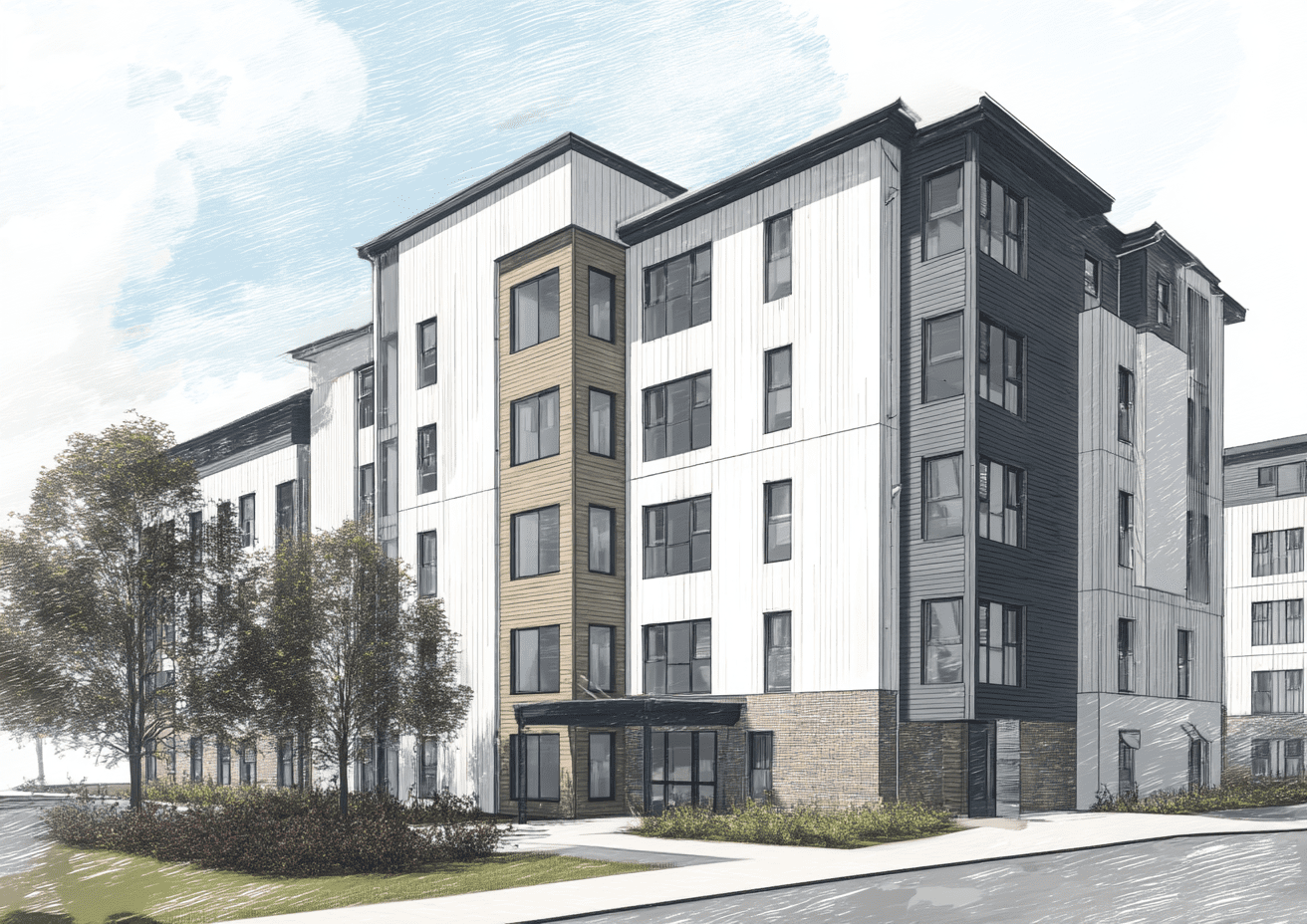
The transition from treatment to daily life is a crucial phase for individuals recovering from mental health and substance use disorders. Here, recovery housing plays an essential role in relapse prevention. It provides stability, support, and a nurturing environment that aids this vulnerable period. As mental health providers, understanding the value of recovery housing can enhance clinical care delivery and improve patient outcomes across various settings.
Understanding Recovery Housing
Recovery housing encompasses various types of supportive living arrangements, such as sober homes and halfway houses. These facilities offer a transitional environment for individuals who have completed a residential treatment program. They serve as a bridge to greater independence while closely monitoring residents’ well-being and progress. Programs typically include structured schedules, substance-free environments, and community support groups.
Challenges in Transitioning from Treatment
The shift from an intensive treatment setting to everyday life can be daunting. Individuals often face triggers and stressors that threaten their recovery. Mental health professionals, including Licensed Clinical Social Workers (LCSWs) and Psychiatric Nurse Practitioners (PMHNPs), play a critical role in addressing these challenges. They can provide tools for coping with cravings and managing emotions effectively.
- Environmental Triggers: Recovery housing mitigates the chance of relapse by providing a safe environment free from substances and negative influences.
- Peer Support: Living with others in recovery fosters a sense of community. This peer support can significantly impact emotional well-being and motivation.
- Structure and Routine: Recovery homes offer a structured environment that helps residents develop healthy habits.
Benefits of Recovery Housing for Mental Health Providers
Recovery housing is not just beneficial for individuals in recovery, but also for mental health providers. It creates a continuum of care that is crucial for relapse prevention. Clinical Psychologists and Psychiatrists can collaborate on treatment plans that encompass both clinical and community resources. Direct referrals to these housing options provide a smoother transition for patients, ensuring they receive the comprehensive support they need.
Integrating Recovery Housing into Clinical Practice
When addressing the challenges of relapse prevention, mental health clinics must actively integrate recovery housing solutions. This can be achieved through:
- Strong Referrals: Build relationships with local recovery housing providers to facilitate seamless transitions.
- Continuous Monitoring: Set up regular check-ins for individuals living in recovery housing. This enhances accountability and provides ongoing support.
- Co-occurring Disorders Approach: Recognize that many individuals face mental health issues alongside substance use. Tailor recovery housing programs to address these co-occurring disorders.
Industry Trends and Regulatory Considerations
The mental health landscape is evolving, particularly regarding recovery housing and relapse prevention. There is a growing emphasis on integrating recovery-oriented practices in treatment settings. Additionally, regulatory bodies are increasingly recognizing the importance of stable housing as part of effective recovery interventions. Understanding these industry trends is vital for mental health leaders and clinical teams.
For example, housing-first initiatives have gained traction, emphasizing the importance of stable living conditions as a prerequisite for recovery. Mental health facilities can also explore partnerships with state and local governments for funding opportunities to enhance these recovery housing programs. Keeping abreast of regulatory changes ensures compliance and promotes best practices in patient care.
Conclusion
Recovery housing is a critical component in preventing relapse for individuals transitioning from treatment to everyday life. It provides essential support and stability, vital for long-term recovery success. For mental health organizations in Monroeville and beyond, integrating recovery housing solutions can lead to enhanced patient outcomes and operational efficiency. Pulivarthi Group is dedicated to connecting your organization with qualified mental health professionals, including Clinical Psychologists, PMHNPs, BCBAs, and LCSWs. By tapping into our expertise, your facility can build a robust support system for individuals in recovery, ultimately fostering a healthier community.