Canine forelimb lameness presents a significant challenge for veterinarians, requiring a detailed understanding of various potential causes. Every veterinary clinic encounters cases of canine lameness, and clinicians must accurately diagnose the underlying issues to provide optimal patient care. This blog aims to equip veterinary professionals with the diagnostic skills necessary for identifying the causes of forelimb lameness, enhance clinical practice, and improve operational efficiency.
Understanding Forelimb Lameness in Canines
Forelimb lameness in dogs can originate from numerous underlying conditions. These may include orthopedic diseases, neurological disorders, or soft tissue injuries. For many veterinarians, particularly those in general practice, deciphering the root cause can be complex due to the diverse range of potential etiologies. Precise diagnosis is crucial as it informs treatment plans, ensuring that each patient receives the most effective care.
Additionally, a proper understanding of anatomy and the biomechanics of canine movement is vital. Many veterinarians may rely on both physical examinations and diagnostic imaging techniques to aid in their assessments. For example, an urgent care veterinarian might encounter cases requiring immediate action, where rapid diagnosis is essential for effective treatment outcomes.
Key Diagnostic Approaches
When faced with canine lameness, a systematic approach to diagnostics can streamline the process. Here are several essential steps:
- Comprehensive History Taking: Gather detailed information from the pet owner about the onset, duration, and severity of the lameness.
- Physical Examination: Conduct a thorough examination, assessing gait, range of motion, and localized pain.
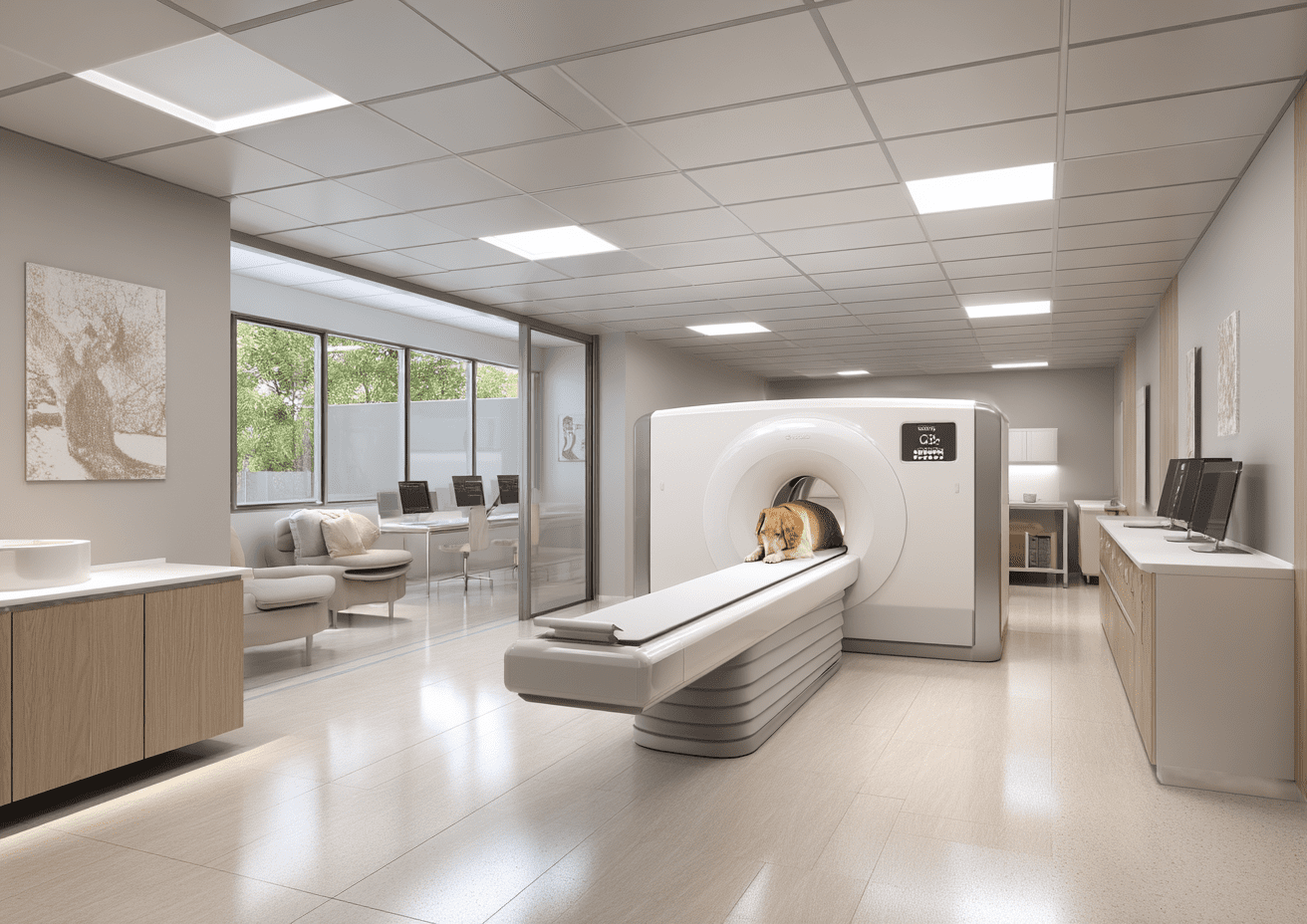
- Diagnostic Imaging: Utilize X-rays or MRI to visualize underlying conditions such as fractures or joint diseases.
- Laboratory Testing: Run blood tests if infections or metabolic disorders are suspected.
- Specialist Consultation: If conventional methods don’t provide clarity, referral to a board-certified veterinary internal medicine specialist can be invaluable.
Each of these steps is critical for accurate diagnosis. For critical care veterinarians, rapid diagnostics may mean the difference between life and death. Conversely, shelter veterinarians may focus more on resource management through community medicine, emphasizing preventive care and early diagnostics.
Challenges Across Different Veterinary Roles
Veterinarians in varied roles experience unique challenges when diagnosing canine lameness. General practice veterinarians typically have the broadest base of cases. They must navigate both common and rare conditions to establish an accurate diagnosis, often using a blend of their clinical experience and knowledge of veterinary diagnostics.
On the other hand, emergency veterinarians deal with acute cases where quick decisions are necessary. For these practitioners, understanding the most common causes of forelimb lameness—like traumatic injuries—becomes essential to saving lives. Furthermore, mixed animal veterinarians might also encounter conditions related to lameness in both companion and food animals, broadening their diagnostic approach.
Integrating Technology and Trends in Veterinary Diagnostics
The veterinary industry is rapidly evolving with advancements in technology. Incorporating innovative tools such as AI in diagnostic processes can enhance efficiency. These technologies can analyze imaging and help identify patterns that may not be immediately obvious to clinicians. Adapting to these technological changes is a critical operational skill for practice owners and managers.
Additionally, staying updated with industry trends is vital for clinical teams. Continuous education in modern diagnostic techniques fosters a culture of learning within clinics, encouraging associate veterinarians and technicians to enhance their competencies. Regular workshops or seminars can facilitate sharing insights about effective diagnostic practices among clinical staff.
Conclusion
Effective diagnosis of canine forelimb lameness is essential for delivering quality veterinary care. By understanding the complexities involved in evaluating lameness and integrating advanced technologies, veterinary clinics can enhance their operational efficiency and improve patient outcomes. The Pulivarthi Group is committed to supporting veterinary clinics in navigating these challenges by providing access to hard-to-find talent across various roles. Whether you’re seeking to fill positions for an Associate Veterinarian, Emergency Veterinarian, or a Board-Certified Veterinary Internal Medicine Specialist, we stand ready to partner with you towards success in your practice.