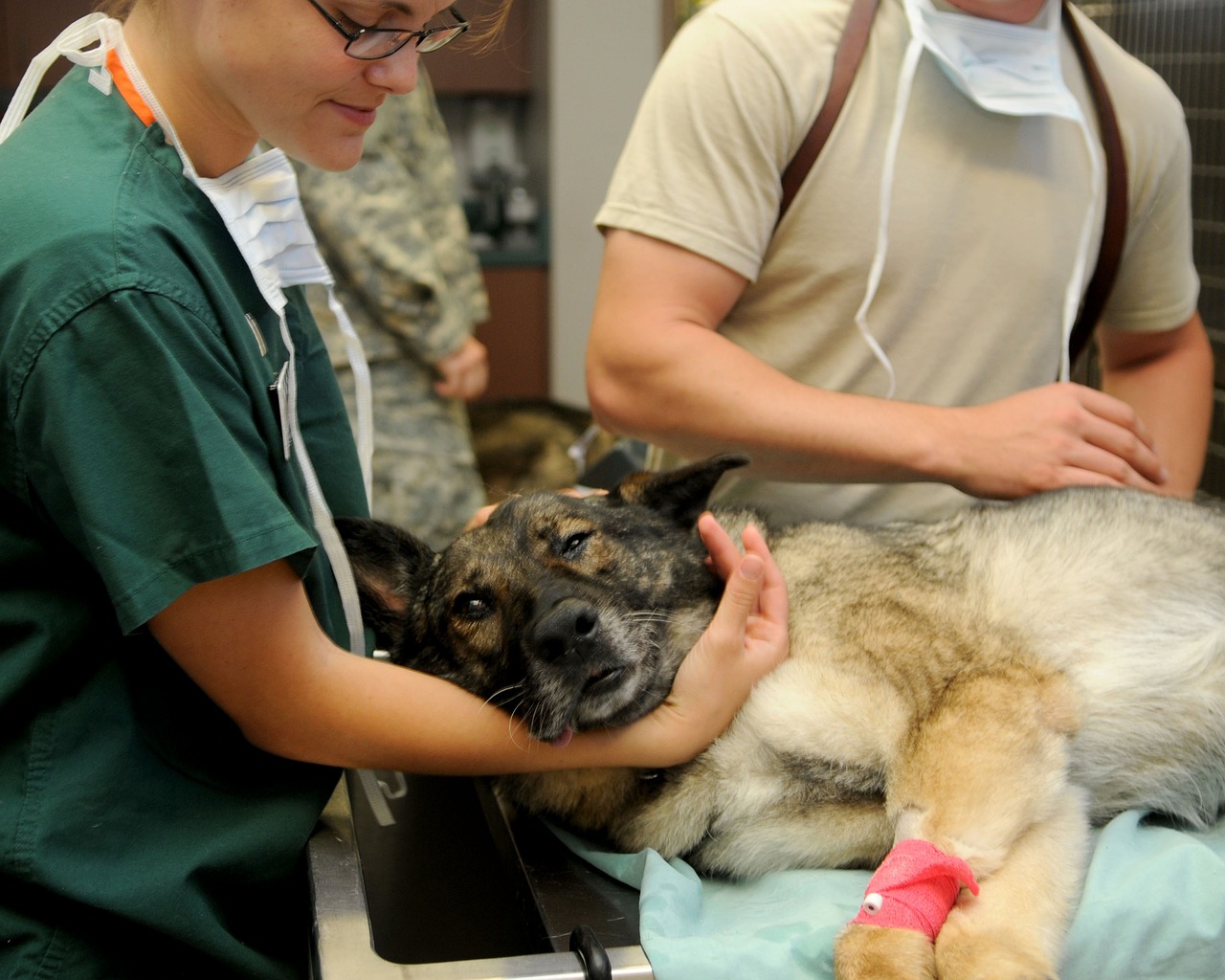
Veterinary care for exotic species presents unique challenges that veterinary clinics must address. These species often require specialized knowledge and techniques to ensure their health and well-being. From reptiles to birds, the diversity of exotic animals comes with specific health issues that veterinarians must understand to provide effective care. This blog explores common health challenges in exotic species and offers insights for veterinary professionals to enhance patient care and operational efficiency.
Common Health Issues in Exotic Species
Veterinarians often encounter distinct health challenges when treating exotic animals. For example, reptiles are prone to metabolic bone disease due to improper dietary calcium levels. Birds might face feather plucking or respiratory issues related to environmental stressors. Understanding these species-specific needs enhances treatment outcomes. Moreover, veterinary clinics should ensure staff members receive proper training in exotic species health care for better client education.
- Metabolic bone disease in reptiles
- Respiratory issues in birds
- Dental disease in small mammals
- Infections due to improper diets
- Behavioral problems stemming from environmental stress
Understanding Species-Specific Needs
Different exotic species have unique dietary and environmental requirements. For instance, a general practice veterinarian must recognize that iguanas require ultraviolet light to metabolize calcium properly. Additionally, urgent care veterinarians need to act swiftly when exotic pets present acute symptoms. Thus, clinical staff education is crucial for fostering awareness about these needs.
Furthermore, the role of shelter veterinarians often intersects with understanding the species-specific health issues that arise in communities with diverse pet ownership. Increased community outreach and client education can significantly improve the health of these animals.
Client Education as a Key Element
Educating clients about exotic species health care is vital for preventive measures. For instance, owners often do not recognize the significance of proper husbandry or diet. A well-informed client can contribute significantly to the long-term health of their exotic pet. Therefore, providing resources such as pamphlets or hosting educational workshops is beneficial.
Moreover, collaboration between general practice veterinarians and specialists in veterinary internal medicine can ensure thorough client education. A veterinary internal medicine specialist can provide seminars or online courses to help demystify the care required for exotic species.
Operational Efficiency in Exotic Animal Care
Veterinary clinics must streamline operations to provide effective care for exotic species. This may involve integrating specialized protocols within the practice. Enhancing record-keeping systems can help manage the medical histories of exotic patients more efficiently. Additionally, training for emergency veterinarians on handling urgent cases involving exotics can improve response times and outcomes.
Industry Trends and Workforce Realities
As more pet owners seek exotic animals, the demand for knowledgeable veterinary professionals continues to grow. There is a noticeable trend towards increased specialization in exotic species care. Practices must be aware of these trends to remain competitive. For example, employing a board-certified veterinary internal medicine specialist (DACVIM) can enhance a clinic’s credibility in exotic care, leading to better patient care and client trust.
Additionally, clinics should focus on attracting skilled talent in this niche area. By employing effective recruitment strategies, practices can secure staff with the right expertise in exotic species veterinary care.
Conclusion
In conclusion, veterinary care for exotic species necessitates a thorough understanding of their unique health challenges and needs. By enhancing client education and streamlining operational protocols, veterinary clinics can significantly improve patient outcomes. If your practice requires additional support, Pulivarthi Group can assist in finding specialized talent across various roles, including Associate Veterinarians, General Practice Veterinarians, Urgent Care Veterinarians, and more. Partnering with us provides access to hard-to-find professionals, ensuring your clinic remains equipped to deliver excellent care for all species.