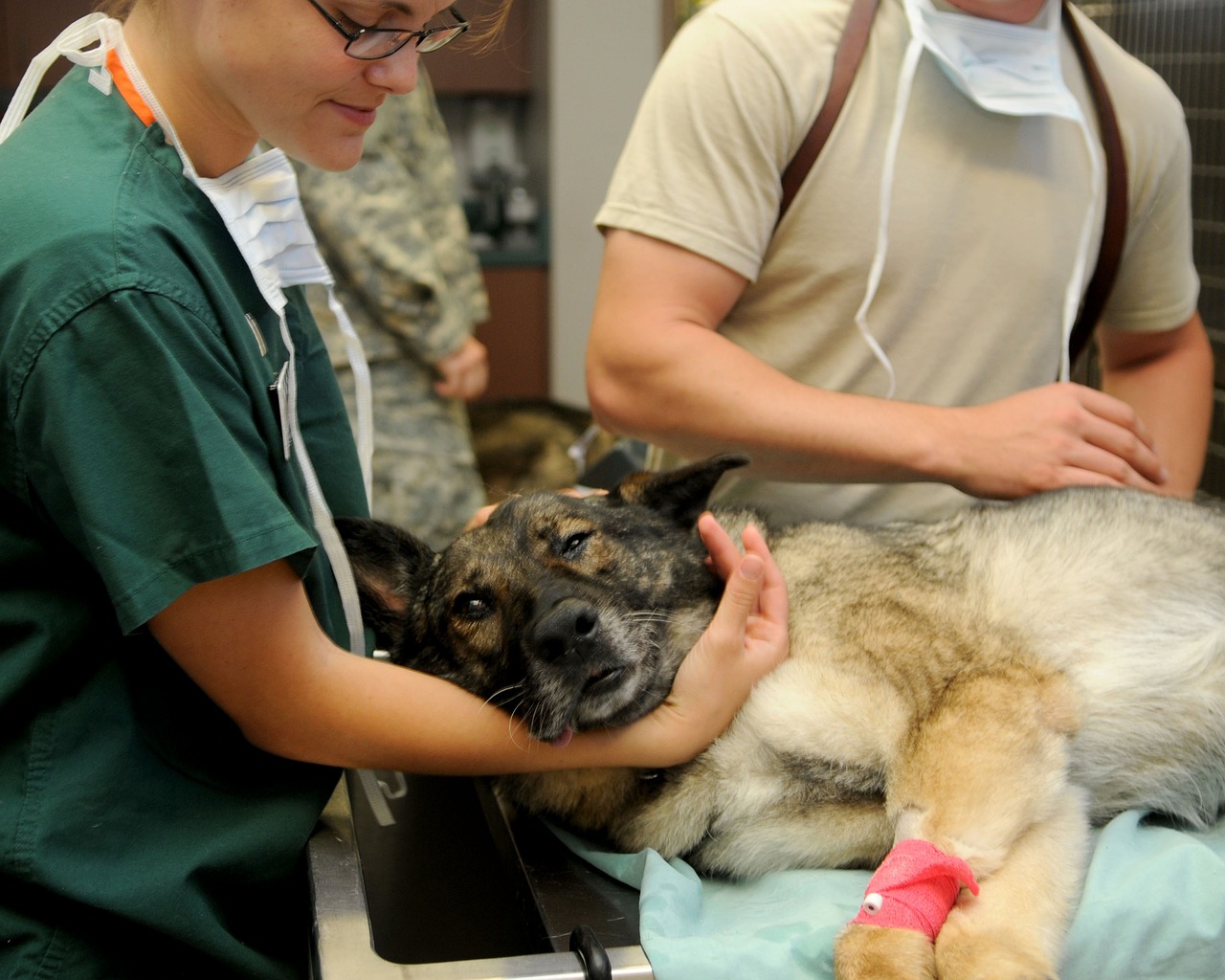
Each year, many pets encounter potentially deadly situations due to toxin ingestion. Unfortunately, misconceptions about how to handle these emergencies persist within both pet owner and veterinary circles. Understanding these misconceptions is essential for effective patient care and operational efficiency in veterinary clinics.
Common Misconceptions About Toxin Ingestion
One prevalent myth is that inducing vomiting is always the best immediate response. While this can be the case for some toxins, it is not universally applicable. For example, certain substances, like caustic agents, can cause further damage if vomited. Veterinary professionals must evaluate each situation critically.
Moreover, some owners believe that over-the-counter remedies can effectively treat toxin ingestion. In reality, many human medications can be dangerous to pets, further complicating treatment. Thus, it becomes crucial for veterinarians to educate pet owners on safe practices.
The Role of Veterinary Professionals in Managing Toxin Exposure
Veterinary clinics should implement clear protocols for evaluating cases of toxin ingestion. This includes gathering detailed histories, such as the type of toxin involved and the amount consumed. Such information is critical for effective treatment, especially for veterinarians working in urgent care or emergency settings.
For instance, an Associate Veterinarian in an emergency clinic can benefit from resources like the ASPCA Animal Poison Control Center to make informed decisions. Board-Certified Veterinary Internal Medicine Specialists (DACVIM) often collaborate with general practice veterinarians to manage complex cases, ensuring that pets receive the best care possible.
Operational Considerations for Veterinary Clinics
As practices gear up to address instances of toxin ingestion, staff training becomes paramount. Establishing regular workshops focused on toxicology can significantly enhance the clinical team’s preparedness. Moreover, implementing flowcharts or decision trees can assist in navigating initial assessment processes.
Operational efficiency is particularly vital for mixed animal and food animal veterinarians. For these professionals, understanding the impact of various environmental toxins on farming practices and livestock health can have significant economic implications. Equipping your team with this knowledge can enhance the overall patient care experience.
Current Trends and Future Directions
The veterinary landscape is evolving, with increasing attention on toxin ingestion and its treatment. Telemedicine, for example, is gaining traction. Veterinarians can consult with pet owners remotely, guiding them through initial steps while preparing for in-clinic evaluation if necessary.
Additionally, innovations in veterinary technology are improving ways to track cases of toxin exposure. Some practices are adopting advanced data management systems to log incidents and outcomes, allowing for better understanding and research into toxin ingestion trends.
Conclusion
In conclusion, enhancing awareness around toxin ingestion in pets is a vital focus for veterinary clinics. By addressing misconceptions and implementing robust protocols, veterinary teams can significantly improve patient outcomes. The Pulivarthi Group stands ready to support veterinary clinics as a partner in access to quality talent across various roles, from Associate Veterinarians to Board-Certified Veterinary Internal Medicine Specialists. Together, we can ensure that your practice is well-equipped to manage the challenges posed by toxin ingestion and promote safer environments for pets.